
Pests
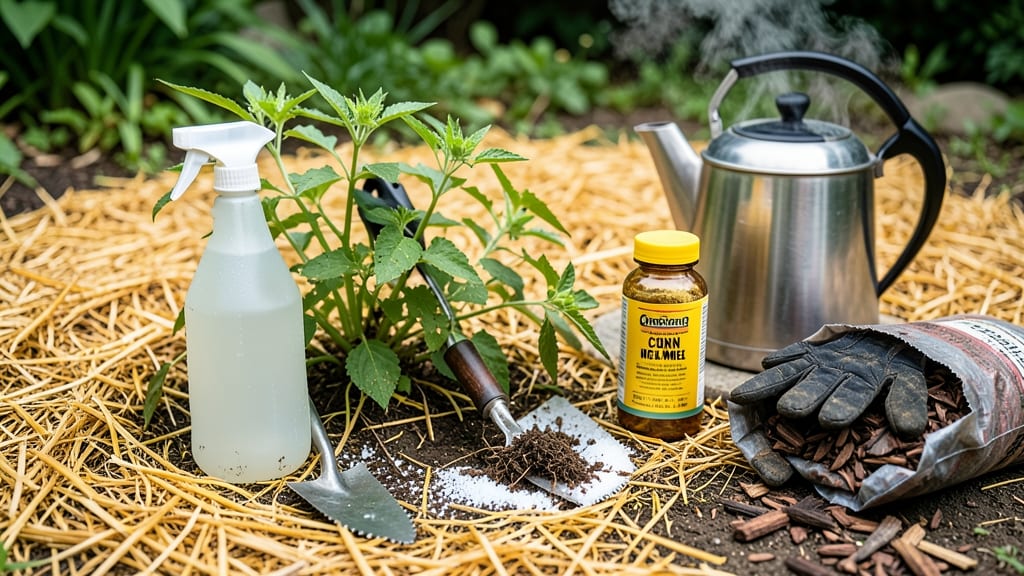
Here’s how to get rid of burweed naturally—it ruins lawns faster than crabgrass, but boiling water kills it instantly without chemicals. ✨ I’ve wrestled with this stubborn weed for years, and this method finally gave me back my yard. The secret? High heat sears roots on contact, leaving no regrowth. No sprays, no waiting—just immediate results.
First, pull up as much of the plant as possible by hand to expose the roots. Then, pour 2-3 cups of boiling water directly onto the root zone.
The steam penetrates deep, cooking the roots while leaving your grass unharmed. Repeat every 3-4 days for stubborn patches—it’s labor-intensive but 100% chemical-free.
You’ll see the burweed turn black within hours, and new growth stops completely. The best part? This method strengthens your soil by preventing herbicide runoff, which keeps your lawn healthier long-term. Just avoid overwatering afterward—burweed thrives in soggy conditions, so let the area dry out between treatments.
For prevention, mulch heavily with straw or wood chips to block sunlight, and overseed bare spots in fall. Burweed hates competition, so a thick lawn is your best defense. No more digging up weeds by hand—this is the foolproof, eco-friendly way to reclaim your yard.
The Hidden Triggers Behind Burweed
Burweed (Solanum elaeagnifolium) isn’t just an annoying weed—it’s a tenacious invader with deep roots and a knack for spreading like wildfire. Understanding why it thrives in your yard, garden, or landscape is the first step to permanently kicking it to the curb.
Below, we break down the key factors that turn your green space into burweed’s personal playground.
Burweed is a drought-tolerant survivor, meaning it doesn’t need much to thrive—especially if your soil is already playing into its hands. Here’s how:
- Poor Drainage: While burweed loves dry conditions, it also tolerates poorly drained soils. If your yard holds excess moisture (like clay-heavy or compacted soil), burweed’s roots can still spread aggressively, especially in partial shade.
- Low Organic Matter: Burweed thrives in nutrient-poor soils because it’s adapted to compete in harsh environments. If your soil lacks compost or organic material, you’re essentially giving it a head start over other plants.
- Alkaline pH (Above 7.0): Burweed prefers slightly alkaline conditions. If your soil test reveals a pH in the 7.5–8.5 range, you’ve created the perfect breeding ground. Pro tip: 🌡️ Test your soil before treating—burweed may be less aggressive in acidic soils (pH < 6.5).
💡 Actionable Fix: Amend your soil with compost or sulfur to improve drainage and lower pH if needed. Burweed will struggle to establish itself in healthier, well-balanced soil.
Burweed isn’t picky about where it grows—it’s a global traveler that adapts to different climates. But some conditions make it downright unstoppable:
- Hot, Dry Summers: Native to arid regions (like the Southwest U.S.), burweed loves heat and drought. If your area gets consistent temperatures above 90°F (32°C), burweed will spread faster, especially if rainfall is sparse.
- Mild Winters: Unlike many weeds, burweed doesn’t die back in cold winters. In regions with freeze-thaw cycles, it may slow down, but in Zone 8 and above, it can regrow from roots year after year.
- Disturbed Soil: Burweed hates competition but thrives in bare soil. Construction sites, freshly tilled gardens, or areas where grass has been killed (by drought or herbicides) are its favorite real estate.
💡 Actionable Fix: In hot, dry climates, mulch heavily (3–4 inches) to block sunlight and smother new growth. In cooler areas, target burweed in early spring before it bolts to seed.
Burweed isn’t just stubborn—it’s aggressive. Its spread is a multi-step process, and understanding it helps you cut off its supply chain:
- Seeds (The Ultimate Trojan Horse):
- Each burweed plant can produce up to 10,000 seeds per year, and they remain viable for 10+ years in the soil.
- Seeds are buoyant—they hitch rides on water, wind, machinery, and even animal fur.
- They germinate best in disturbed soil, so tilling or digging can accidentally trigger a seed explosion.
- Root Fragments (The Sneaky Regrowth):
- Burweed’s taproot can grow 6+ feet deep, and even a 1-inch root piece left in the soil can sprout a new plant.
- If you pull or mow burweed without removing the entire root, you’re just feeding its comeback.
- Human Activity (The Unwitting Helpers):
- Seeds stick to shoes, tires, and tools, spreading to new areas effortlessly.
- Composting burweed without heat treatment can reintroduce seeds into your garden.
💡 Actionable Fix:
- ✅ Remove entire roots (use a dandelion digger or boiling water for stubborn patches).
- ✅ Bag and dispose of burweed (don’t compost!)—do not leave clippings on-site.
- ✅ Sanitize tools with rubbing alcohol after use to prevent seed transfer.
Some of the most common lawn care mistakes unintentionally create burweed paradise. Here’s how:
- Over-Fertilizing (Especially Nitrogen):
- Burweed doesn’t need much fertilizer to thrive, but excess nitrogen can stimulate faster growth while weakening grass competition.
- If your lawn is lush but patchy, burweed will fill the gaps like a vacuum.
- Underwatering or Spotty Irrigation:
- Burweed outcompetes grass in drought because its roots dive deep for moisture.
- If your sprinkler system misses spots, those dry patches become burweed hotspots.
- Using Herbicides Improperly:
- Some broadleaf herbicides kill grass but leave burweed roots intact, leading to even more regrowth.
- Pre-emergent herbicides won’t stop burweed seeds—they’re designed for annual weeds, not deep-rooted perennials.
💡 Actionable Fix:
- 💧 Water deeply and consistently (1–1.5 inches per week) to stress out burweed before it takes over.
- 🌱 Strengthen grass with slow-release, balanced fertilizer (16-4-8 or 10-10-1
Natural Burweed Removal Methods
Now that you understand why burweed thrives, it’s time to tackle it with effective, chemical-free solutions that work fast and prevent regrowth. Whether you’re dealing with a small patch or an entire yard, these methods target burweed at its core—roots, seeds, and all.
Below, we’ve mapped common causes to practical fixes, plus prevention tips to keep this stubborn weed from staging a comeback.
Fix: Suffocate Seeds Before Germination Burweed seeds lie dormant in the soil for years, waiting for the right conditions to sprout. The key? Starve them of sunlight and moisture before they germinate.
- 🔥 Boiling Water Blast (Instant Kill)
- How to do it: Heat water to a rolling boil (or use a burweed-specific weed killer alternative like vinegar + dish soap).
- Pour directly onto burweed leaves and stems—the heat instantly kills the plant and smashes roots (especially effective for young burweed).
- Pro tip: Repeat every 3–5 days for 2 weeks to prevent regrowth from deep roots. 💡 Best for driveways, sidewalks, and cracks where digging isn’t an option.
- 🍳 Salt & Vinegar Mix (For Small Patches)
- Combine 1 gallon white vinegar (20% acetic acid), 1 cup salt, and 1 tbsp dish soap.
- Spray directly on burweed (avoid desirable plants—this is toxic to soil long-term).
- Reapply every 2–3 days until the area is clear. ⏰ Works fastest in sunny, dry conditions.
- 👨🍳 Mulching (Prevents Future Seeds)
- Apply 3–4 inches of organic mulch (straw, wood chips, or cardboard) over bare soil.
- Blocks sunlight, smothers seeds, and adds nutrients to soil. ✨ Best for garden beds and landscaping.
Fix: Manual Removal + Root Barriers Burweed roots can grow 1–2 feet deep, so pulling alone often fails. Combine physical removal with root prevention.
- 🔪 Digging Out Roots (Best for Lawns & Gardens)
- Use a hand trowel or weeding fork to pry out the entire root system.
- How deep? Dig until you hit soil without resistance (burweed roots are thick and white).
- Pro tip: Wear gloves—burweed sap can irritate skin. 🌡️ Do this on a dry, sunny day when soil is loose.
- 🛡️ Root Barrier (Stops Underground Spread)
- Install a plastic or metal root barrier (like landscape fabric) 6–12 inches deep around garden edges.
- Prevents burweed from creeping into new areas. 🎯 Ideal for perennial burweed hotspots.
- 🔥 Flame Weeding (For Large Infestations)
- Use a propane torch to scorch burweed stems and roots.
- Pass the flame slowly over the plant until leaves turn brown.
- Caution: Only use in dry conditions (no wind) and keep kids/pets away. ⚠️ Best for driveways and gravel areas.
Fix: Improve Drainage & Reduce Water Retention Burweed loves wet soil, so drying out its habitat is crucial.
- 💧 Adjust Watering Habits
- Water deeply but infrequently (1–2 times per week) to encourage deep root growth in grass, outcompeting burweed.
- Avoid overwatering—burweed loves soggy soil. 💡 Use a soil moisture meter to check dampness before watering.
- 🏗️ Improve Soil Drainage
- Amend clay or compacted soil with sand, perlite, or compost to prevent water pooling.
- For low-lying areas, create slight slopes to redirect water flow.
- 🌡️ Solarization (For Severe Infestations)
- Cover burweed with clear plastic sheeting for 4–6 weeks in hot sun.
- The trapped heat kills seeds and roots naturally. ✨ Best for fall or early spring when temps are high.
Once you’ve eliminated burweed, stop it from coming back with these long-term strategies:
| Prevention Method | How to Do It | Best For |
|---|---|---|
| 🌱 Regular Mowing | Keep grass 3–4 inches tall to block sunlight. | Lawns |
| 🍂 Fall Cleanup | Remove all burweed debris before seeds spread. | Gardens & Yards |
| 🌿 Healthy Soil | Add compost or organic matter to improve grass/plant competition. | Landscaping |
| 🚫 Weed-Free Mulch | Use straw or wood chips (not grass clippings, which may contain seeds). | Garden Beds |
| 🔍 Inspect New Plants | Check potted plants and soil before bringing them home. | New Additions to Garden |
Final Note: Consistency is key—burweed may resurface if you stop treatments early. Combine methods (e.g., boiling water + mulching + improved drainage) for the best results. With patience and persistence, you’ll reclaim your space without harsh chemicals! 🚀
Frequently asked questions
Can I use vinegar alone to kill burweed?
Vinegar alone works partially but isn't as effective as a vinegar-salt-dish soap mix. Plain vinegar (5% acidity) may kill surface leaves, but burweed’s deep roots often regrow. For best results, use 20% acetic acid vinegar with 1 cup salt and 1 tbsp dish soap—this combo penetrates better and prevents regrowth. Always apply on sunny days for maximum effectiveness.
How deep do I need to dig to remove burweed roots completely?
Burweed roots can extend 1–2 feet deep, so dig until you hit soil without resistance. Use a dandelion digger or weeding fork to avoid breaking roots. For stubborn patches, dig at least 12 inches deep—any remaining root fragments will sprout new plants. Work on dry, sunny days when soil is loose for easier removal.
Will boiling water harm my grass or garden plants?
No, boiling water is safe for grass and most plants when applied correctly. Direct the steam only onto burweed leaves and roots, avoiding nearby plants. The heat kills burweed instantly while leaving grass unharmed. For delicate plants, use a shield (like cardboard) to protect them during treatment. Test a small area first if concerned.
How long does it take to eliminate burweed completely?
With consistent treatment, burweed can be fully eradicated in 4–6 weeks. For small patches, boiling water or vinegar solutions work in 2–3 weeks if applied every 3–5 days. Larger infestations may take up to 3 months, especially if roots are deep. Combine methods (manual removal + mulching + improved drainage) for fastest results. Patience is key!
Can burweed grow back after solarization?
Solarization kills 90% of seeds and roots, but a few may survive if treatment isn’t long enough. For complete eradication, combine solarization with manual removal or boiling water afterward. Monitor treated areas for 3–4 months—if new burweed appears, repeat the process. This method is most effective in hot, sunny climates during fall or spring.