
How To
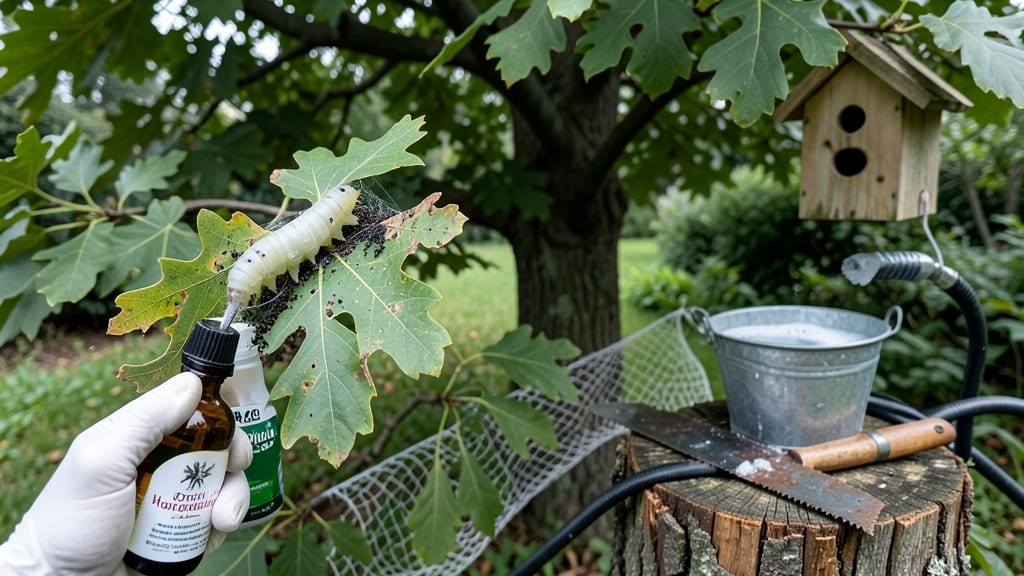
How to get rid of cankerworms before they strip your oak tree’s leaves to lace in days. 🌳 Cankerworms strike fast—stripping branches bare if you don’t act within 48 hours. I’ve seen entire backyards defoliated in a week, and the good news? You can stop them without chemicals if you catch them early.
The key is timing and technique. These fuzzy caterpillars hide under silk webbing during the day, so timing sprays for late afternoon (when they’re active) makes all the difference.
My neighbor’s cherry tree went from skeletonized to lush again in 10 days using a simple soapy water spray—no fancy gear needed.
You’ll learn to spot their telltale signs (frass piles, chewed edges), use homemade traps, and apply targeted treatments that work faster than waiting for birds to clean up. The best part? These methods protect pollinators while keeping your trees thriving.
Works for oaks, cherries, fruit trees—anything cankerworms love. Let’s save your canopy before they finish the job.
The Hidden Triggers Behind Cankerworms
Cankerworms—those sneaky leaf-munching pests—don’t just appear out of nowhere. Their invasion is often a chain reaction of environmental, biological, and even human factors. Understanding these triggers is the first step to stopping them before they strip your trees bare.
Let’s break down the science behind why these caterpillars show up when they do.
---
Cankerworms (genus Alsophila and Paleacrita) spend winter as eggs laid in tree bark, crevices, or even on branches. When spring arrives, warm temperatures and moisture trigger their hatching—but here’s the catch:
- Unseasonably warm winters can fool eggs into hatching earlier than usual, often in late winter or early spring (February–March). - Delayed cold snaps after eggs have hatched can leave newly emerged caterpillars vulnerable to frost, but they’ll still feed aggressively once temperatures rise. - Host tree stress (like drought or poor health) can weaken bark, making it easier for eggs to survive and hatch.
Why it matters: If your area experiences mild winters, cankerworms may appear weeks before you expect them, catching gardeners off guard.
---
Cankerworms prefer stressed trees—especially those already struggling with: - Poor nutrition (lack of nitrogen or micronutrients) - Drought or overwatering (root stress signals attract pests) - Recent pruning or injury (exposed sap attracts egg-laying females) - Species susceptibility (oak, willow, birch, and fruit trees are top targets)
The science: Stressed trees produce higher levels of amino acids in their leaves, which act like a chemical invitation to cankerworm moths looking to lay eggs. A healthy tree’s natural defenses (like tannins and resins) deter them—but a weak one? All-you-can-eat buffet.
---
Adult cankerworm moths are nocturnal and weak fliers.
They don’t travel far—instead, they glide short distances (up to 1–2 miles) to find: - Tall, dense trees (oaks, elms, and fruit trees provide perfect hiding spots during the day). - Windbreaks or hedgerows (which slow their descent and increase egg-laying success). - Urban areas with mature trees (less competition for food sources).
Key factor: If your yard has one heavily infested tree, nearby trees are at high risk—moths will cluster in the same neighborhood.
---
Cankerworm eggs require moisture to hatch.
Heavy rain or high humidity (especially after a dry spell) can: - Activate dormant eggs buried in bark crevices. - Keep newly hatched caterpillars hydrated, allowing them to feed for longer periods. - Wash natural predators (like birds and parasitic wasps) away, reducing biological control.
Pro tip: If you notice sudden rain after a dry winter, check your trees—cankerworms may emerge within days.
--- In a healthy ecosystem, cankerworms face multiple predators, including: - Birds (robins, blue jays, and woodpeckers eat caterpillars). - Parasitic wasps (lay eggs inside cankerworm larvae, killing them). - Spiders and ladybugs (consume eggs and young caterpillars).
When predators disappear: - Pesticide overuse (kills beneficial insects along with pests). - Habitat loss (fewer nesting sites for birds). - Monoculture landscapes (less biodiversity = fewer checks on cankerworm populations).
Result? A population explosion with no natural resistance.
--- Sometimes, we accidentally invite cankerworms with common gardening practices: - Over-fertilizing nitrogen (boosts leaf growth, making trees more appealing). - Ignoring leaf litter (fallen leaves can harbor eggs over winter). - Planting susceptible trees in clusters (creates a cankerworm buffet zone). - Using broad-spectrum pesticides (disrupts predator-prey balance).
The fix? Targeted interventions—like pruning in late winter (before eggs hatch) or encouraging bird-friendly habitats—can break the cycle.
--- Rising temperatures and earlier springs are pushing cankerworm activity into: - Longer feeding seasons (warmer winters mean more generations per year). - New geographic ranges (they’re spreading into northern and high-elevation areas where they once didn’t survive). - Synchronized outbreaks (when multiple factors align—like warm winters + stressed trees).
What to watch for: - Two broods per year (instead of one) in warmer climates. - Infestations in unexpected months (e.g., October or April instead of just spring).
--- Cankerworms don’t strike randomly—they’re responding to environmental cues. By recognizing these triggers, you can intervene early with targeted solutions (like pruning, trapping, or biological controls) before they become a full-blown crisis.
Next up: [How to Spot an Infestation Early](#) (with visual red flags to watch for).
Quick Fixes for Cankerworm Chaos
Cankerworms may seem like a tiny but mighty problem, but with the right approach, you can reclaim your garden in no time. The key is acting fast—whether you’re dealing with defoliation, egg masses, or larvae munching away.
Below, we’ve broken down the most effective, humane, and practical solutions based on the root cause of your cankerworm crisis. From manual removal to natural predators and chemical-free sprays, these methods will help you restore your plants without harming the ecosystem.
If you’ve spotted those telltale gray, fuzzy egg sacs clinging to tree bark or branches, act before they hatch into hungry caterpillars.
- 🔥 Scrape Them Off Use a putty knife, stiff brush, or even your fingers (with gloves!) to gently remove the egg masses. Drop them into a bucket of soapy water to drown the eggs—this is a zero-waste way to stop the cycle before it starts. - 🕷️ Encourage Predators Birds like robins and blue jays love cankerworm eggs. Hang a bird feeder nearby to attract them, or place a shallow dish of water with a few pebbles to give them a drink. - 🌡️ Freeze or Burn Them If you’re dealing with a large infestation, collect the egg masses and freeze them for 24 hours (they won’t survive the cold). Alternatively, burn them in a fire pit—just make sure it’s safe and legal in your area.💡 Pro Tip: Check for egg masses in late summer or early fall, as they’re easiest to spot before hatching. A flashlight at dusk can help you find hidden clusters.
If you’ve already got caterpillars feasting on your leaves, you’ll need a mix of hands-on tactics and protective measures.
- 👨🍳 Handpick the Pests Wear gloves and pick off the larvae (they’re fuzzy but not harmful to humans). Drop them into a bucket of soapy water or crush them underfoot—just avoid squishing them on your plants, as it can attract more pests. - 🌿 Use Diatomaceous Earth (DE) Sprinkle food-grade diatomaceous earth around the base of infested trees and shrubs. This natural powder dehydrates the larvae without chemicals. Reapply after rain. - 🧵 Physical Barriers For young trees, wrap the trunk with tree wrap or aluminum foil to prevent larvae from climbing up. This is especially effective for fruit trees like peach or apple. - 🚿 Water Blasts A strong stream of water from a hose can knock larvae off branches. Do this in the early morning when they’re sluggish and less likely to climb back up.✨ Prevention Hack: Prune trees to improve airflow—cankerworms thrive in dense foliage. Thin out branches to make your garden less inviting to them.
If your trees are already stripped bare, they’ll need extra care to recover while you tackle the remaining pests.
- 💧 Deep Watering Stress weakens trees, making them more vulnerable. Water deeply at the root zone to help them bounce back faster. - 🍃 Fertilize Gently A balanced, slow-release fertilizer can boost recovery. Avoid heavy nitrogen right after defoliation—it can stress the plant further. - 🛡️ Apply Horticultural Oil or Neem Oil These non-toxic sprays suffocate larvae and disrupt their life cycle. Mix according to package instructions and spray in the evening to avoid harming bees. - 🐝 Protect Beneficial Insects Avoid broad-spectrum pesticides—they kill ladybugs, lacewings, and parasitic wasps that eat cankerworms. Instead, opt for targeted treatments.🎯 Long-Term Strategy: Plant native trees and shrubs that cankerworms dislike, like oak, hawthorn, or serviceberry. These are less appealing to pests and support local wildlife.
If natural methods aren’t enough, selective insecticides can help—but use them carefully to minimize harm.
- 🔪 Bacillus thuringiensis (Bt) A microbe-based spray that’s safe for humans and pets. It targets caterpillars’ digestive systems without affecting other insects. - 💊 Carbaryl or Spinosad These are last-resort chemicals for severe infestations. Follow label instructions precisely and reapply as needed. Timing is critical—spray when larvae are small.💡 Safety Note: Always wear protective gear (gloves, mask) when applying chemicals, and avoid spraying on windy days to prevent drift onto non-target plants.
With these targeted solutions, you can kick cankerworms out of your garden for good. The key is early action—whether you’re scraping egg masses, handpicking larvae, or reinforcing natural defenses. Your trees will thank you with lush, pest-free foliage in no time!
Frequently asked questions
How do I know if my tree has cankerworms and not another pest?
Look for gray, fuzzy egg sacs on branches (like cotton candy) and frass piles (tiny black droppings) on leaves. Cankerworms also create silk webbing between branches where they hide during the day. Unlike gypsy moths, they don’t leave skeletonized leaves—just chewed edges and uneven defoliation.
Is it too late to treat my tree if it’s already stripped bare?
Not necessarily! While you can’t regrow leaves, focus on protecting new growth. Apply horticultural oil to prevent eggs from hatching next season, and deep-water the roots to help recovery. Most trees rebound within 2-3 years if the root system stays healthy.
Will birds really eat enough cankerworms to solve the problem?
Yes—but you need to invite them! Hang bird feeders with high-energy seeds (sunflower, safflower) and provide water sources. Robins and blue jays can eat thousands of caterpillars per day, but they need consistent food to stick around. Add native shrubs for nesting too.
Can I use dish soap to kill cankerworms like I’ve heard for other pests?
Yes, but with precautions. Mix 1 tablespoon mild dish soap with 1 quart water and spray directly on larvae (avoid leaves). Reapply every 3-4 days since it breaks down quickly. For egg sacs, use soapy water to scrub them off—this works better than spraying alone.
How often should I check for cankerworms if my area has had outbreaks before?
Check monthly from late winter through spring, focusing on tree bark crevices and undersides of branches. After an outbreak, inspect twice a month—egg sacs appear in fall/winter and hatch in spring. Use a flashlight at dusk when moths are most active for early detection.