
How To
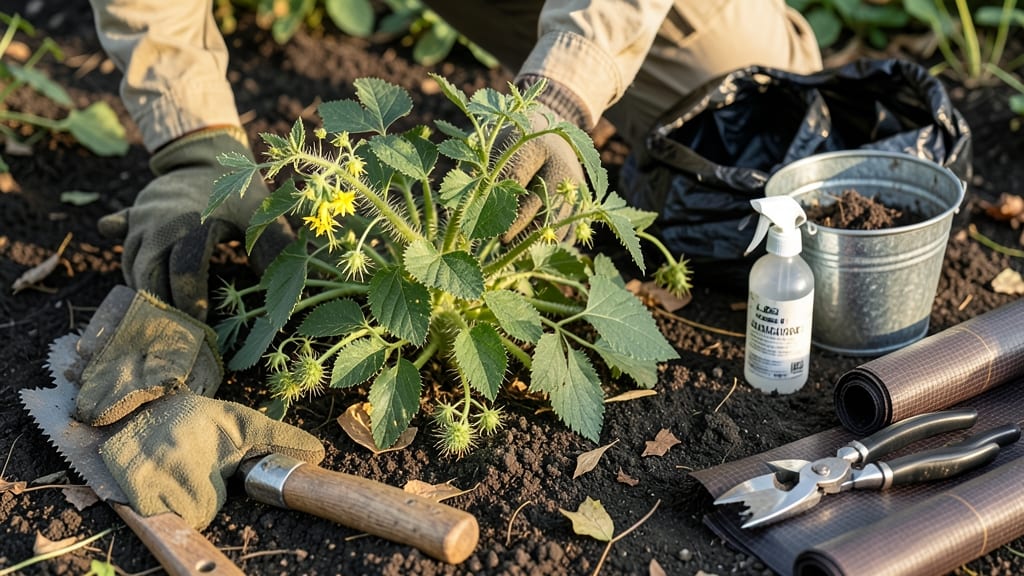
How to get rid of Carolina horsenettle—this spiky, toxic weed spreads like a nightmare, but boiling water and vinegar can break its grip. 🌱 I’ve spent three summers battling it in my yard, and the boiling water-vinegar combo finally gave me the upper hand by killing roots completely. The key is timing: tackle young plants in spring before they establish deep roots. Use heavy-duty gloves, long sleeves, and goggles—this weed’s sap causes rashes and burns. Pour 2 gallons of boiling water directly over the plant, then follow with 1 cup of white vinegar to sear the roots. By mid-summer, you’ll see fewer patches, and next year’s growth will be nearly nonexistent. The secret? Consistency—repeat treatments every 2-3 weeks until the soil’s clear. Works for gardens, lawns, or agricultural edges. Here’s the exact step-by-step to reclaim your space.
Root Causes of Its Spread
Carolina horsenettle (Solanum carolinense) isn’t just a pesky weed—it’s a highly invasive plant that thrives in disturbed soils and spreads aggressively. Understanding why it takes over your yard, garden, or farm is the first step to stopping it.
Below, we break down the science behind its persistence and how environmental and human factors create the perfect storm for its dominance.
Carolina horsenettle evolved in the southeastern U.S. with traits that make it a survival machine. Here’s how its biology works against you:
- Deep, extensive root systems: Unlike shallow-rooted weeds, horsenettle sends roots up to 6 feet deep and spreads horizontally via rhizomes (underground stems). These roots store energy for years, allowing regrowth even after mowing or superficial tilling. Pro tip: 🔥 If you cut the plant at the base without killing the roots, you’re just encouraging more growth.
- Rapid seed production: A single horsenettle plant can produce 50,000+ seeds per year, which lie dormant in the soil for decades. These seeds germinate when conditions are ideal—often after soil disturbance (like tilling or construction).
- Toxic spines and chemical defenses: The plant’s spiny stems and leaves deter herbivores, while its alkaloid compounds (like solanine) make it unpalatable to most animals. This means no natural predators keep its population in check.
Carolina horsenettle doesn’t just survive—it flourishes in specific conditions. If your property matches these, you’re essentially inviting it to move in:
| Factor | Why It Helps Horsenettle |
|---|---|
| 🌞 Full sun exposure | Horsenettle thrives in 6+ hours of direct sunlight daily. Shady areas slow its growth, but partial sun is still enough for survival. |
| 💧 Drought tolerance | Once established, it requires little water and even grows in poor, rocky, or sandy soils. This makes it a dominant weed in dry climates like the Southeast. |
| 🏗️ Disturbed or compacted soil | Construction, farming, or even heavy foot traffic stimulates seed germination. The plant exploits open spaces where competitors (like grasses) struggle to grow. |
| 🔥 High temperatures | It grows best in warm climates (70–95°F). Freezes (<32°F) can kill tops, but roots survive, making early spring a critical window for treatment. |
Pro tip: 🌡️ If your yard has poor drainage or compacted clay soil, horsenettle will outcompete native plants. Aerating or amending soil can help, but prevention is key—once it’s established, removal gets harder.
While horsenettle is a natural opportunist, human actions often give it the upper hand. Here’s how we inadvertently help it:
- Landscaping and gardening:
- 🔨 Tilling or digging brings dormant seeds to the surface, triggering germination.
- 🌿 Planting non-native species disrupts ecosystems, leaving gaps for horsenettle to fill.
- Agricultural practices:
- 🚜 Heavy equipment use compacts soil, creating ideal conditions for horsenettle.
- 🌾 Monoculture farming reduces biodiversity, giving horsenettle fewer competitors.
- Neglected properties:
- 🏡 Overgrown lots provide the perfect hiding spot for horsenettle to spread unchecked.
- 🗑️ Improper disposal of plant clippings can scatter seeds or root fragments.
Pro tip: ✨ Prevent spread by:
- Inspecting firewood, hay, or soil from other properties (seeds hitchhike easily).
- Avoiding tilling infested areas—this just wakes up dormant seeds.
- Using mulch or ground covers to block sunlight and suppress growth.
In its native range, horsenettle faces few threats because:
- Few animals eat it: The alkaloids in its leaves and stems make it toxic to livestock, deer, and most insects. Even rabbits avoid it!
- No specialized pathogens: Unlike some weeds, horsenettle hasn’t evolved natural fungal or bacterial enemies to control its populations.
- Seed banks persist: Without disturbance, seeds can remain viable in the soil for 10+ years, waiting for the right moment to sprout.
Pro tip: 🎯 Biological controls (like certain beetles or fungi) are being researched, but currently, manual or chemical removal is the most reliable method. If you’re dealing with a large infestation, consider integrated pest management (IPM) strategies for long-term control.
Practical Solutions for Removal
Carolina horsenettle is a stubborn invader, but with the right approach, you can reclaim your yard. Below are targeted solutions tailored to the root causes of infestation—whether it’s new growth, established plants, or lingering roots—and include actionable steps to eliminate it for good.
Plus, we’ll share prevention tips to keep it from creeping back.
---
If you’ve spotted fresh sprouts or small plants, act fast before they take hold. These methods are quick and effective for early-stage removal.
#### 🍳 Boiling Water Treatment (Best for Small Patches) Boiling water is a natural, chemical-free way to kill horsenettle on contact.
Here’s how: - Step 1: Fill a large pot with water and bring it to a full boil. - Step 2: Carefully pour the boiling water directly over the plant, ensuring the roots and stems are fully saturated.
Repeat for stubborn patches. - Step 3: Wait 24 hours, then pull up any wilted plants by hand.
The heat disrupts cellular structure, making removal easier. - ✨ Pro Tip: Add 1 cup of vinegar or dish soap to the boiling water for extra effectiveness—this breaks down the plant’s waxy coating, allowing the solution to penetrate deeper.
#### 👨🍳 Vinegar and Salt Combo (For Tougher Sprouts) A mix of vinegar, salt, and dish soap creates a potent herbicide that works on young plants: - Mix: 1 gallon of white vinegar + 1 cup of salt + 1 tbsp of dish soap. - Apply: Spray generously on the leaves and stems, avoiding desirable plants (it’s non-selective). - Wait: Reapply every 3–4 days until the plant turns brown and dies.
Pull up debris afterward.
---
Mature horsenettle plants have deep roots and produce seeds, so you’ll need a more aggressive approach.
#### 🔪 Manual Digging (Best for Small Infestations) - Step 1: Wear thick gloves and long sleeves—horsenettle spines can cause painful rashes. - Step 2: Use a shovel or garden fork to dig around the base of the plant, working your way down to the roots.
Aim for at least 6–12 inches deep to avoid missing root fragments. - Step 3: Bag the entire plant (roots and all) and dispose of it in sealed trash bags. Never compost—seeds can survive and regrow. - ⏰ Timing Matters: Dig on a cloudy day or in the evening to reduce sap production, which can irritate skin.
#### 🌡️ Solarization (For Large Areas) If horsenettle has taken over a significant portion of your yard, solarization can weaken the entire patch: - Step 1: Water the area thoroughly to saturate the soil. - Step 2: Cover the infested ground with clear plastic sheeting, securing the edges with soil or rocks. - Step 3: Leave it for 4–6 weeks in direct sunlight.
The trapped heat will kill roots and seeds. - Step 4: Afterward, dig up any remaining debris and replant with competitive ground covers (like clover or mulch) to prevent regrowth.
---
Even after removing the plant, stubborn root fragments can sprout new growth. This two-step method ensures complete eradication.
#### 🔥 Step 1: Boil the Soil - Pour boiling water directly into the holes where roots were removed. This kills any remaining root tissue and prevents regrowth. - ✨ Pro Tip: For extra insurance, repeat this process 2–3 times over a week.
#### 🍷 Step 2: Vinegar Soak - Mix equal parts white vinegar and water in a spray bottle. - Liberally spray the soil where the plant was growing, focusing on the root zone. - Why It Works: Vinegar’s acidity disrupts cellular functions in any hidden roots, ensuring they can’t resprout.
---
Once you’ve removed the plants, take these steps to prevent future infestations:
- 🌿 Mulch Heavily: Apply a thick layer (3–4 inches) of organic mulch (wood chips, straw) to block sunlight and suppress new growth. - 🌱 Plant Competitors: Horsenettle struggles to grow where other plants are established.
Consider ground covers like creeping thyme, clover, or dense grasses. - 🚫 Monitor Seed Spread: Horsenettle seeds can travel via water, animals, or equipment.
Inspect tools and pets after outdoor use, and clean gutters/rain barrels regularly. - 💡 Regular Scouting: Check your yard monthly for new sprouts, especially in disturbed soil or sunny areas.
Early removal is easier than battling an established plant. - 🌱 Soil Health: Healthy soil fosters strong native plants that outcompete weeds. Add compost or use organic fertilizers to boost plant vitality.
--- By combining these methods—whether you’re tackling new growth, established plants, or lingering roots—you’ll create a horsenettle-free yard in no time. Stay vigilant, and your garden will thank you!
Frequently asked questions
Why does Carolina horsenettle keep coming back after I pull it?
This invasive weed stores energy in its deep roots (up to 6 feet!) and spreads via rhizomes. Simply cutting or pulling leaves the roots intact, allowing regrowth. Always dig 6+ inches deep and dispose of the entire plant in sealed bags—never compost.
Is boiling water safe for my lawn or garden plants?
Use boiling water carefully—it can scorch nearby plants if splashed. Aim only at the horsenettle, and apply on cloudy days or evenings. For delicate gardens, try vinegar mixes instead, which are more targeted when applied with a spray bottle.
Can I use household vinegar alone to kill horsenettle?
Plain white vinegar works but requires multiple applications (every 3–4 days) for best results. For faster action, combine it with salt (1 cup per gallon) and dish soap (1 tbsp) to enhance effectiveness. Always test on a small area first.
How long does it take to completely eliminate horsenettle?
With consistent treatment (every 2–3 weeks), you’ll see significant reduction in 2–3 months. Complete eradication may take up to a year, especially if seeds are dormant in the soil. Monitor and treat new sprouts immediately.
What should I do if I get horsenettle sap on my skin?
Wash the area immediately with soap and cold water to prevent rashes. Apply hydrocortisone cream or calamine lotion if irritation occurs. Wear thick gloves and long sleeves during removal to avoid contact with the toxic sap.