
Companion Plants
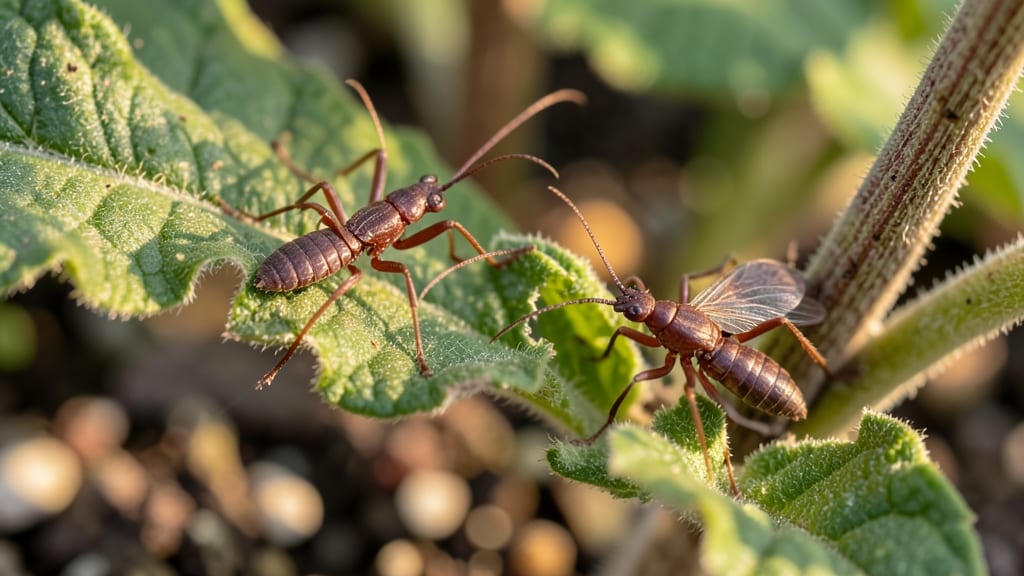
How to get rid of those tiny, pincered pests on your plants faster than you can say "goodbye to my basil." 🌱 Earwigs may seem harmless, but they chew holes in leaves, munch on flowers, and hide in moist soil—leaving your plants looking like they’ve been through a salad bar. The good news? You don’t need harsh chemicals to outsmart them. With the right barriers and a few simple tricks, you can send them packing in under a week without harming your plants or the ecosystem.
Start by identifying their hideouts—earwigs love dark, damp spots like mulch piles, under rocks, or even rolled-up leaves. The fastest fix? Diatomaceous earth (food-grade only) around plant bases or copper tape wrapped around pots.
They hate the feel of copper and the sharp edges of DE, so they’ll avoid it like a bad neighborhood. For a non-toxic trap, flip over a piece of cardboard near infested areas at dusk—they’ll crawl underneath, and you can dump them in soapy water in the morning.
Prevention is where the real magic happens. Keep mulch 2-3 inches away from plant stems to reduce hiding spots, and water in the early morning so soil dries faster. Plant garlic, mint, or thyme nearby—their strong scents repel earwigs naturally.
Within a few days, you’ll notice fewer chewed leaves and more vibrant growth. Your garden will look like it’s been through a spa day, not a pest attack.
If you’re dealing with a severe infestation, repeat the barriers every 3-4 days until you see improvement. The key is consistency—earwigs are sneaky, but they’re not invincible.
Once you’ve mastered these tricks, you’ll be the earwig whisperer of your neighborhood, and your plants will thank you with thicker leaves, brighter blooms, and zero pincer marks.
📚 In This Guide
- What you need
- Instructions
- Tips and common mistakes
- Wrapping up and next steps
What you need
- ● Diatomaceous earth (food-grade) – 1–2 pounds (look for 90%+ silica content)
- ● Neem oil – 16 oz (1 pint) bottle (ensure it’s cold-pressed and organic)
- ● Spray bottle (16–32 oz) – With a fine mist nozzle for precise application
- ● Garden hose with adjustable nozzle – For rinsing plants post-treatment
- ● Gloves (nitrile or rubber) – 1 pair (to protect your hands from irritants)
- ● Cardboard or corrugated paper – 2–3 sheets (for traps or mulch barriers)
- ● Sharp scissors or pruners – For trimming infested plant parts
- ● Insecticidal soap – 16 oz (as a backup treatment)
- ● Copper tape (1-inch wide) – 1–2 rolls (for raised beds or containers)
- ● Beer traps (small containers) – 2–3 shallow dishes (fill with beer for lure-and-kill tactic)
- ● Wood ash – 1–2 cups (sprinkle lightly around plant bases as a natural repellent)
- ● Flashlight (LED, bright) – For nighttime inspections (earwigs are nocturnal!)
Step-by-step instructions for creating natural earwig barriers on plants
Here's how to outsmart earwigs without harsh chemicals—using simple, effective tricks that work fast.
🪴 Step 1: Set Up Physical Barriers Around Your Plants
Earwigs love hiding in moist, dark spots near plants. I start by placing 1-inch wide copper tape around the base of each plant stem. The copper creates a mild electrical charge that earwigs avoid—it's like an invisible fence they can't cross. For container plants, wrap the tape around the pot's edge before setting it in the garden.
For garden beds, create a 2-inch deep trench around plants using a garden fork. Fill the trench with coarse sand or diatomaceous earth (food-grade only). These materials create an uncomfortable, dry barrier that earwigs won't crawl through. Check the trench weekly and refresh the sand if it gets wet or compacted.
💧 Step 2: Reduce Moisture and Hideouts
Earwigs thrive in damp conditions, so I focus on drying out their favorite hiding spots. First, remove mulch from right next to plant stems—keep it pulled back 6 inches from the base. Then, water plants early in the day so foliage dries completely before evening. Wet leaves at night are earwig buffets.
For container plants, I add a layer of small gravel (pea-sized) on top of the soil surface. This creates an extra dry zone that earwigs avoid. If you have pots with saucers, empty them after watering—standing water turns saucers into earwig hotels. I also check under pots and flip them occasionally to disturb any lurking pests.
☀️ Step 3: Use Natural Repellents Around Plant Bases
Crushed eggshells work like tiny armor around plants. Sprinkle them in a 1-inch wide band around stems—earwigs can't crawl over the sharp edges. I collect eggshells from my kitchen, rinse them, dry completely, and crush them with a rolling pin. For extra protection, mix the shells with food-grade diatomaceous earth (1:1 ratio) and dust lightly around plant bases.
Another fast trick: place small pieces of cedar mulch near plant stems. Cedar's natural oils repel earwigs, and the rough texture makes it uncomfortable for them to crawl over. I use 1/4-inch thick pieces and refresh them every 3-4 weeks since they break down. Avoid placing cedar directly against plant stems—keep it 2 inches away to prevent rot.
✂️ Step 4: Hand-Pick and Monitor Daily
For immediate results, I do a 10-minute hand-picking session at dusk when earwigs are most active. Wear gloves and use a flashlight to spot them hiding under leaves or along stems. Drop them into a soapy water bucket—they'll drown instantly. I focus on the lower leaves and soil surface where they congregate.
Set up yellow sticky traps near infested areas to monitor progress. Earwigs are attracted to light and will get stuck. Place traps 6 inches above soil level and check them daily. If you catch more than 5 earwigs per trap per night, it's time to reinforce your barriers. I also shake plants gently over a white sheet at night to spot any hiding pests—earwigs are slow movers and easy to spot this way.
⏰ Step 5: Maintain and Prevent Future Infestations
Check your barriers every 3 days during warm, humid weather—earwigs move fast when conditions are right. Refresh copper tape if it looks faded, and reapply diatomaceous earth after rain. I keep a small spray bottle with neem oil solution (1 tbsp neem oil + 1 quart water) handy to spot-treat any remaining clusters.
For long-term prevention, rotate crops annually and avoid planting susceptible vegetables like lettuce and beans in the same spot. I also add marigolds around the garden perimeter—their strong scent confuses earwigs. If you notice earwigs returning, it's usually because moisture levels increased, so adjust your watering schedule or add more gravel to dry zones.
Tips & tricks for outsmarting earwigs on your plants
These simple tricks will help you tackle earwigs faster and more effectively than you might expect.
Timing is Everything: The 24-48 hour window after applying diatomaceous earth is when you'll see the most dramatic results. That's when earwigs will start avoiding the treated areas and begin moving away from your plants. I've seen gardens go from crawling with earwigs to nearly pest-free within this short timeframe, especially if you combine it with the copper tape method.
Application Technique: When using diatomaceous earth, focus on creating a thin, even barrier rather than piling it up. A thick pile won't be as effective because earwigs can simply walk around it. For container plants, create a complete ring around the pot's edge—even just a small gap can let earwigs climb in. Remember, it's the accidental contact that disrupts their exoskeletons, so the more surface area they encounter, the better.
Combination Strategy: The most effective approach is to use all four methods together. Start with the diatomaceous earth and copper tape as your immediate barriers, then set up the light traps for a few nights to reduce the overall population. Finish with the neem oil spray for long-term prevention. This multi-pronged approach creates a hostile environment for earwigs that's much harder for them to navigate around. You'll typically see the best results when you combine at least two of these methods.
Nighttime is Critical: For the light traps to work best, set them up in the evening when earwigs are most active. I've found that placing the traps about 1-2 feet away from your plants gives you the best results—close enough to attract them but far enough that they don't just scurry back to your garden after being collected. The key is consistency: running the traps for 3-5 nights in a row will show you the most noticeable reduction in earwig activity.
Pro Tips for Get Rid Of Earwigs On Plants
- These simple tricks will help you tackle earwigs faster and more effectively than you might expect.
- Timing is Everything: The 24-48 hour window after applying diatomaceous earth is when you'll see the most dramatic re...
- Application Technique: When using diatomaceous earth, focus on creating a thin, even barrier rather than piling it up...
Frequently asked questions
Got more questions about earwigs and how to keep them off your plants? Here are some common concerns—and clear answers to help you protect your garden with ease!
Are earwigs harmful to my plants?
Earwigs can damage plants by chewing leaves, flowers, and even young seedlings. While they’re not usually deadly, heavy infestations may stress your plants—especially tender veggies like lettuce or basil. Act fast with natural deterrents to prevent long-term harm!
How long does it take to see results with natural remedies?
Most natural methods (like diatomaceous earth or companion planting) show improvement within 1–2 weeks of consistent use. For severe infestations, combine multiple strategies (e.g., traps + barriers) for faster relief. Patience is key—earwigs are sneaky but beatable!
What’s the best alternative if I don’t want to use pesticides?
Skip the chemicals! Try these zero-toxicity swaps:
- Neem oil spray (deters and disrupts their life cycle)
- Crushed eggshells around plant bases (physical barrier)
- Beer traps (earwigs drown in shallow dishes)
- Companion plants like marigolds or garlic (natural repellents)
Why do earwigs keep coming back after I treat my plants?
Earwigs are resilient! They hide in moist, dark spots (mulch, pots, or leaf litter), so:
- Check for hidden breeding sites (remove debris daily).
- Ensure good drainage—they love damp soil.
- Reapply barriers (like sand or copper tape) every few weeks.
Can I use companion plants to prevent earwigs long-term?
Plant earwig-repelling companions like:
- Garlic (strong scent confuses them)
- Chives (natural insect deterrent)
- Marigolds (emit pyrethrins, toxic to pests)
- Thyme (earwigs avoid its texture)
Wrapping up and next steps
Earwigs may seem like a stubborn pest, but with the right natural barriers and proactive strategies, you can reclaim your garden without harsh chemicals. 🌱 From companion planting to DIY traps, these methods work fast and keep your plants thriving. Don’t let these critters win—take action today!
Ready to transform your garden? Start by implementing one or two of these solutions this week and monitor the progress. If earwigs persist, mix and match techniques for a long-term, pest-free paradise. Happy gardening! 🌿