
Pests
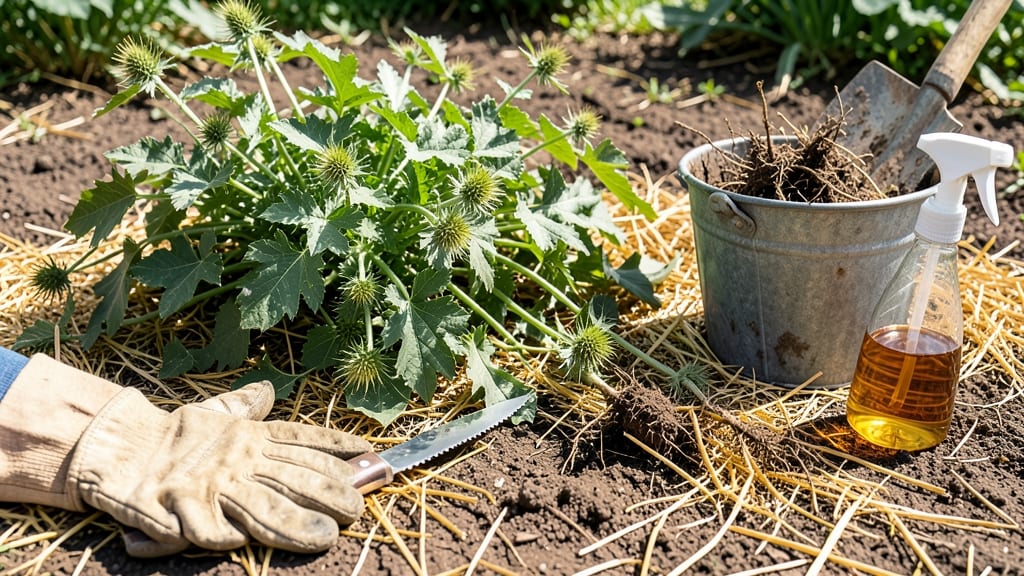
How to get rid of goat heads naturally—without resorting to harsh chemicals or endless digging—is the gardener’s ultimate battle. I’ve pulled them by the handful—only to watch them sprout back within weeks—until I discovered this salt vinegar soak that actually works. The key isn’t brute force; it’s science: salt disrupts root systems while vinegar breaks down stubborn stems, leaving your soil (and sanity) intact.
You’ll need white vinegar, non-iodized salt, dish soap, and a spray bottle—all things you probably already have. The process takes under 10 minutes but requires patience (check for regrowth weekly).
This isn’t a one-time fix, but it’s the most eco-friendly way to outsmart goat heads without harming your garden’s ecosystem.
After spraying, you’ll see the weeds wilt within 24 hours, making them easy to pull. The roots dissolve over time, so repeat treatments on new growth until your lawn or garden stays clear. It’s not instant magic, but it’s far more effective than digging or chemical sprays.
Pro tip: Water the area first to help the solution penetrate deeper. And if you’re dealing with a large patch? Divide and conquer—treat a small section at a time to avoid overwhelming yourself. Persistence pays off, and soon you’ll have a goat-head-free zone.
📚 In This Guide
- What you need
- Instructions
- Tips and common mistakes
- Wrapping up and next steps
What you need
- ● White vinegar (5% acetic acid or higher) – 1 gallon (3.8 liters). Look for pure, undiluted vinegar for best results.
- ● Coarse salt (non-iodized) – 1 cup (200g). Avoid table salt; coarse salt dissolves better and won’t clump.
- ● Plastic bucket or large container – Gallon-sized or larger, with a lid or cover to contain the mixture.
- ● Rubber gloves – 1 pair. Protects your hands from irritation (vinegar and salt can be tough on skin!).
- ○ Spray bottle (optional but helpful) – 8-16 oz (240-480 mL), for spot treatments on stubborn goat heads.
- ● Sturdy stick or wooden spoon – For stirring the mixture thoroughly.
- ● Water (if needed) – Only if you’re pre-soaking heavily rooted goat heads (see tips below!).
- ● Dish soap (mild, like Dawn) – 1 tbsp (15 mL). Acts as a surfactant to help the solution penetrate roots better.
- ● Baking soda – ½ cup (60g). Adds extra abrasive power for tougher infestations (mix into the salt-vinegar solution).
- ● Plastic wrap or tarp – To cover the area after treatment and lock in moisture for 24–48 hours.
- ● Garden trowel or pruners – For post-treatment cleanup of softened goat heads.
Step-by-Step instructions for removing goat heads naturally
This salt-vinegar method breaks down stubborn roots without harsh chemicals—just patience and science.
Gather Your Removal Tools and Safety Gear
Start by collecting a sturdy digging fork, heavy-duty work gloves, and a sharp pruning shears. I always wear long sleeves and closed-toe shoes—goat heads have jagged stems that can snag skin when pulling. Place a tarp nearby to collect debris, as this process creates quite a bit of plant material. A wheelbarrow or large bucket helps transport the removed plants to compost or trash.
For stubborn roots, I keep a small bucket of white vinegar (5% acidity) and coarse salt ready. The vinegar dissolves the plant's cellular structure, while the salt dehydrates remaining root fragments. This combo works best when applied immediately after pulling, before the plant can regenerate.
Cut the Stems at Ground Level and Loosen Soil
Use your pruning shears to slice the goat head stems 1/4 inch above the soil line. This prevents the plant from regrowing from the cut stem while making the roots easier to extract. Work in sections—never try to pull the entire plant at once, as goat heads develop deep, tangled root systems that resist sudden force.
Loosen the soil around the base with your digging fork, inserting the tines 2-3 inches deep and rocking gently. You'll feel resistance as you hit the roots—this is normal. The goal is to create space between the root ball and surrounding soil, which makes extraction easier. If the soil is hard or clay-heavy, water the area lightly first to soften it.
Apply the Salt-Vinegar Solution to Dissolve Roots
Mix 1 cup of coarse salt into 1 gallon of white vinegar in a clean bucket. Stir until fully dissolved—this creates a hypertonic solution that draws moisture out of the roots while the acetic acid breaks down cellulose. Pour the mixture directly over the exposed roots, saturating the area where you loosened the soil.
Let the solution soak for 24-48 hours. You'll notice the roots darken and soften—this is the vinegar and salt doing their work. Avoid watering the area during this time, as dilution reduces effectiveness. For large infestations, repeat the application every 3-4 days until the roots are fully decomposed and easy to pull by hand.
Extract Remaining Root Fragments and Monitor
After the soak, use your digging fork to gently pry up any remaining root pieces. Goat heads often leave behind small root fragments, so take your time—even a 1-inch piece can regrow into a new plant. Place all debris in your tarp for disposal. Do not compost goat heads, as they can resprout and spread.
Monitor the area for 4-6 weeks after removal. New shoots may appear as the plant's energy reserves in the soil try to regenerate. If you spot any, treat immediately with a fresh salt-vinegar application. Over time, the soil will become less hospitable to goat heads, and your lawn or garden bed will recover its natural balance.
Tips & tricks for effective goat head removal
This method works best when you understand the science behind it—here's how to maximize your success without the guesswork.
Precision Cutting Matters: When slicing stems at the 1/4-inch mark in Step 2, use a sharp pruning shears and make clean cuts at a 45-degree angle. This prevents regrowth from the cut surface while creating a smaller wound for the plant to heal. I've found that dull blades crush stems instead of cutting cleanly, which actually stimulates regrowth—so keep those shears sharp!
The Science Behind the Soak: The 24-48 hour soak is where the real magic happens. The acetic acid in white vinegar breaks down cellulose in the roots, while the salt creates osmotic pressure that dehydrates remaining fragments. For best results, apply the solution when the soil is slightly damp—not soggy, but not bone-dry either. This helps the mixture penetrate more effectively.
Root Fragment Rescue Strategy: After the soak, I recommend using a small hand trowel to dig around the base in a circular motion. Goat heads often leave behind 1-inch root pieces that can regrow—these are the sneaky ones that come back months later. Place all debris in a sealed trash bag immediately; even small fragments left in compost can sprout new plants.
Monitoring Made Easy: During the 4-6 week monitoring period, I've found that marking treated areas with garden flags helps track progress. New shoots will appear as pale green growth—treat these immediately with a fresh application of the salt-vinegar mix. The key is consistency; don't let any regrowth go unchecked, as goat heads can spread aggressively.
Pro Tips for Get Rid Of Goat Heads Naturally
- This method works best when you understand the science behind it—here's how to maximize your success without the gues...
- Precision Cutting Matters: When slicing stems at the 1/4-inch mark in Step 2, use a sharp pruning shears and make cle...
- The Science Behind the Soak: The 24-48 hour soak is where the real magic happens. The acetic acid in white vinegar br...
Frequently asked questions
Got more questions about tackling goat heads naturally? Here are some common ones—and their answers—to help you feel confident in your approach.
How long does it take for goat heads to dissolve completely?
With a salt and vinegar soak, you’ll typically see noticeable softening within 24–48 hours. For stubborn roots, extend the soak to 3–5 days or repeat the process. Patience is key—rinsing and reapplying helps speed up the breakdown.
Is vinegar safe for plants near where I’m treating goat heads?
Vinegar’s acidity can harm nearby plants, so protect them first! Cover delicate foliage with plastic or move potted plants away. If treating lawns, focus on the goat head area and rinse the soil afterward to neutralize the vinegar.
What if the goat heads keep coming back after treatment?
Persistent goat heads often mean roots still linger. Dig deeper (6+ inches) to ensure all fragments are removed, then reapply the salt-vinegar soak. For severe cases, mix in boiling water or a natural herbicide like corn gluten meal to prevent regrowth.
Can I use other household items instead of vinegar?
Yes! Try these alternatives:
- Boiling water: Pour directly over goat heads to kill roots instantly.
- Dish soap + water: Mix 1 tbsp soap per gallon of water for a degreasing effect.
- Baking soda paste: Apply to soften tough stems before pulling.
How often should I check treated areas for new growth?
Monitor treated spots weekly for 4–6 weeks, especially if goat heads were dense. New sprouts are common—pull them immediately with gloves or tweezers. Consistent checks prevent a full-blown comeback!
Wrapping up and next steps
Getting rid of goat heads naturally doesn’t have to be a struggle—with the right salt vinegar soak, you can tackle those stubborn weeds and their roots without harsh chemicals. 🌱 Whether you’re dealing with a small patch or a full yard, consistency is key, and soon you’ll enjoy a weed-free space with minimal effort.
Ready to reclaim your garden? Start today—grab your supplies, follow the steps, and watch those goat heads disappear! For extra stubborn spots, repeat the process until they’re gone for good. You’ve got this! 💪