
How To
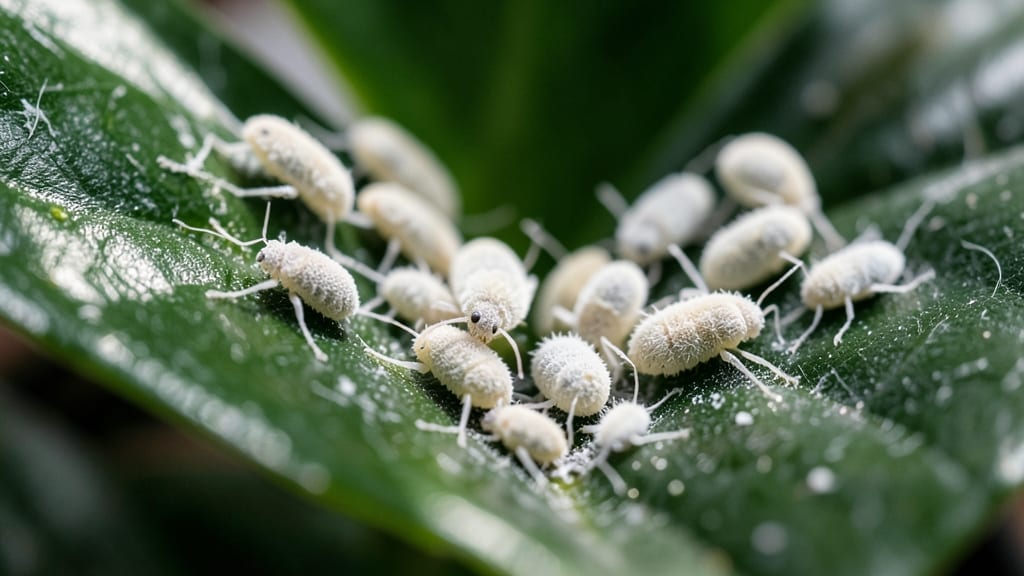
How to get rid of mealybugs on clivia—those sticky white pests ruining your plant’s glossy leaves? 🌱 I’ve battled these pests on my own clivia, and this neem oil + alcohol combo finally broke their life cycle for good. The secret isn’t just spraying—it’s timing, coverage, and a follow-up routine that starves them out completely.
First, you’ll need 70% isopropyl alcohol (for manual removal) and neem oil (to disrupt their feeding). These pests hide in leaf axils and under bracts, so don’t skip the cotton swab step—it’s the difference between a temporary fix and total eradication.
Most gardeners stop after one spray, but mealybugs lay eggs that hatch in 7-10 days, so you’ll need 3 treatments spaced 5 days apart to catch all stages.
By the third application, your clivia’s leaves will start looking crisp and clean again, with no more sticky residue. The neem oil also strengthens the plant’s natural defenses, so new growth stays protected. Plus, this method works on other houseplants too—just adjust the dilution if you’re treating something sensitive.
Here’s the kicker: once you’ve eliminated the adults, prevent regrowth by wiping leaves with a damp cloth every two weeks and keeping humidity below 60% (mealybugs love damp conditions). Your clivia will thank you with bold, unblemished blooms next season—no more hiding those white cottony spots.
Understanding Mealybug Invaders
Mealybugs turning your Clivia into a sticky, cottony nightmare? These sap-sucking pests don’t just show up for fun—they’re drawn by specific conditions that make your plant a buffet.
Let’s break down the real reasons these pests target your Clivia, so you can fix the root cause (and keep them from coming back).
---
Mealybugs are like the bullies of the insect world—they prey on plants that are already struggling. When your Clivia is stressed, its natural defenses drop, making it an easy target.
- Nutrient Deficiencies 📊 Clivia thrives on balanced nutrition, especially potassium and phosphorus. When these are lacking, the plant’s ability to produce sticky resins (which can trap pests) weakens. A quick soil test can reveal if your plant is starving for essentials.
- Overwatering or Poor Drainage 💦 Soggy roots = unhappy Clivia. Mealybugs love plants with weak root systems because they’re easier to penetrate. If your pot lacks drainage holes or you’re watering on a schedule (rather than checking soil moisture), you’re creating the perfect breeding ground.
- Sudden Environmental Shifts ❄️☀️ Cold drafts, heat spikes, or moving your Clivia from shade to full sun can shock the plant. Stress signals attract mealybugs, as they’re drawn to plants emitting distress hormones (like volatile organic compounds).
---
Mealybugs aren’t picky—they’ll infest any plant, but they have favorite spots where they feel safe and well-fed.
- Thick, Waxy Leaves 🌿 Clivia leaves are broad and slightly waxy, providing mealybugs with a cozy, protected environment. They tuck into leaf axils (where the leaf meets the stem) or under thick foliage, where sprays and predators can’t reach them easily.
- Sticky Honeydew Buildup 🍯 Mealybugs excrete honeydew—a sugary waste product that attracts ants (their unwelcome allies). This sticky residue also encourages sooty mold, further stressing your plant. Once honeydew appears, it’s a sign the infestation is already established.
- Crowded or Potted Plants 🏺 Mealybugs spread quickly in confined spaces. If your Clivia is in a small pot with no airflow or sitting next to other infested plants, they’ll hitch a ride via crawling or windborne cottony fibers.
---
These pests aren’t random—they’re drawn to specific conditions that scream, “Easy meal here!”
- High Humidity 🌡️ Mealybugs thrive in humid environments (60–80% humidity). If your home has poor ventilation, like a steamy bathroom or a greenhouse-like setup, you’re rolling out the welcome mat. They also love the moisture trapped in leaf curls or damaged tissue.
- New Growth or Soft Tissue 🌱 Young, tender leaves and flower buds are like all-you-can-eat buffets to mealybugs. They prefer to sink their stylets (mouthparts) into soft tissue, where they can feast without resistance.
- Ant Presence 🐜 Ants and mealybugs have a symbiotic relationship—ants “farm” mealybugs for honeydew. If you spot ants crawling on your Clivia, they’re likely herding mealybugs to your plant’s most vulnerable spots.
--- Mealybugs don’t stay put—they’re hitchhikers with a knack for colonization.
- Contaminated Tools or Soil 🔪 Using the same pruners, pots, or soil mix on multiple plants can transfer mealybugs. Even a tiny egg or nymph can stow away and start a new infestation.
- Wind or Air Currents 🌬️ Their cottony fibers are lightweight and can drift to nearby plants. If your Clivia is outdoors or near a window, a breeze can carry them in.
- Human Activity 👥 Moving plants, buying infested stock, or even touching an infected plant and then another can spread them. Always quarantine new plants before introducing them to your collection.
Tackle Mealybugs on Clivia Fast
Mealybugs may seem like a stubborn foe, but with the right approach, you can reclaim your Clivia plant’s health in no time. The key is targeting their weak spots—sticky trails, soft bodies, and life cycles—while protecting your plant.
Below are practical, step-by-step solutions tailored to the root causes of an infestation, plus prevention tips to keep mealybugs from returning.
---
Cause: Mealybugs cluster in hidden crevices (leaf axils, stems, undersides) where sprays can’t reach. Fix: Grab a cotton swab dipped in rubbing alcohol (70% isopropyl) or soapy water and wipe away visible bugs. Work gently but thoroughly—focus on: - New growth areas (where they lay eggs). - Undersides of leaves (a favorite hiding spot). - Stems and leaf joints (their breeding grounds).
Pro Tip: 💡 Do this in the morning so the plant has time to dry before watering. Wet leaves + alcohol = potential burns.
---
Cause: Mealybugs thrive in environments where they can reproduce unchecked. Fix: Neem oil smothers adults, repels new eggs, and weakens larvae. Mix: - 1 tsp neem oil - 1 tsp mild dish soap (helps it stick) - 1 quart water - 1 tsp rubbing alcohol (optional, for extra kill power)
How to Apply: 1. Shake well before spraying (neem oil separates). 2. Spray undersides and tops of leaves until glistening. 3. Repeat every 5–7 days for 2–3 weeks (it takes time to break their cycle).
⚠️ Warning: Test on a small leaf first—some Clivias are sensitive to soap.
---
Cause: Mealybugs’ waxy coating makes them resistant to water alone. Fix: A 70% isopropyl alcohol spray (1:1 with water) delivers a quick knockout. Here’s how: 1. Mix equal parts alcohol and water in a spray bottle. 2. Spray directly on bugs (avoid oversaturating soil). 3. Wipe off residue with a damp cloth after 10 minutes.
Why It Works: Alcohol dissolves their protective wax, causing dehydration.
--- Cause: Heavy infestations where manual/natural methods aren’t enough. Fix: Use a systemic insecticide like imidacloprid (e.g., Bonide Systemic Granules). This: - Absorbs into the plant’s vascular system. - Kills bugs from the inside out over weeks.
How to Use: 1. Water the plant thoroughly before applying granules to the soil. 2. Follow label instructions (usually 1 tsp per gallon of soil). 3. Reapply every 3–6 months for long-term protection.
✨ Pro Tip: Combine with beneficial nematodes (Steinernema feltiae) to target eggs in the soil.
---
Cause: Mealybugs spread rapidly—one plant can infect others. Fix: If damage is severe: - Snip off heavily infested leaves/stems with sterilized scissors. - Dispose of clippings in sealed bags (not compost). - Quarantine the plant for 2 weeks to monitor for regrowth.
--- Once your Clivia is clean, break their entry points: - Inspect new plants before bringing them indoors (quarantine for 2 weeks). - Avoid overwatering (mealybugs love damp, stagnant environments). - Wipe leaves monthly with a neem oil-soaked cloth (preventative care). - Encourage natural predators: Ladybugs and lacewings eat mealybugs—introduce them if possible.
--- | Issue | Solution | Frequency | |-------------------------|---------------------------------------|-----------------------------| | Visible bugs | Alcohol swabs + manual removal | Daily until gone | | Hidden eggs/larvae | Neem oil spray | Every 5–7 days (3 weeks) | | Severe infestation | Systemic granules + nematodes | One-time soil treatment | | Prevention | Monthly neem wipes + ladybugs | Ongoing maintenance |
--- **Final
Frequently asked questions
Why do mealybugs keep coming back after I treat my Clivia?
Mealybugs have a 7-10 day life cycle, so eggs laid before treatment will hatch into new pests. You must apply neem oil or alcohol sprays every 5-7 days for 3 weeks to catch all stages. Also check hidden spots like leaf axils—adults often hide there during treatments.
Is rubbing alcohol safe for my Clivia leaves?
Use 70% isopropyl alcohol sparingly—it can dry out leaves if overused. Always dilute it 1:1 with water and test on a small leaf first. For sensitive Clivias, use a cotton swab instead of spraying directly. Never apply when leaves are wet to prevent burns.
Can I use insecticidal soap on mealybugs?
Yes, but it works best after removing visible bugs with alcohol swabs. Mix 1 tsp mild soap + 1 quart water and spray thoroughly. The soap breaks their waxy coating, but you'll need 3 applications spaced 5 days apart for full control.
How do I know if my Clivia is recovering from mealybugs?
Look for these signs: no sticky residue on leaves, new growth without white cottony spots, and ants disappearing (they follow mealybugs). Healthy Clivias also develop shiny leaves within 2-3 weeks of consistent treatment.
Will mealybugs spread to my other houseplants?
Absolutely—they're expert hitchhikers! Isolate your Clivia immediately and check nearby plants for signs. Mealybugs spread via wind, ants, or contaminated tools. Wipe down all plant surfaces with a neem oil solution as a precaution.