
How To
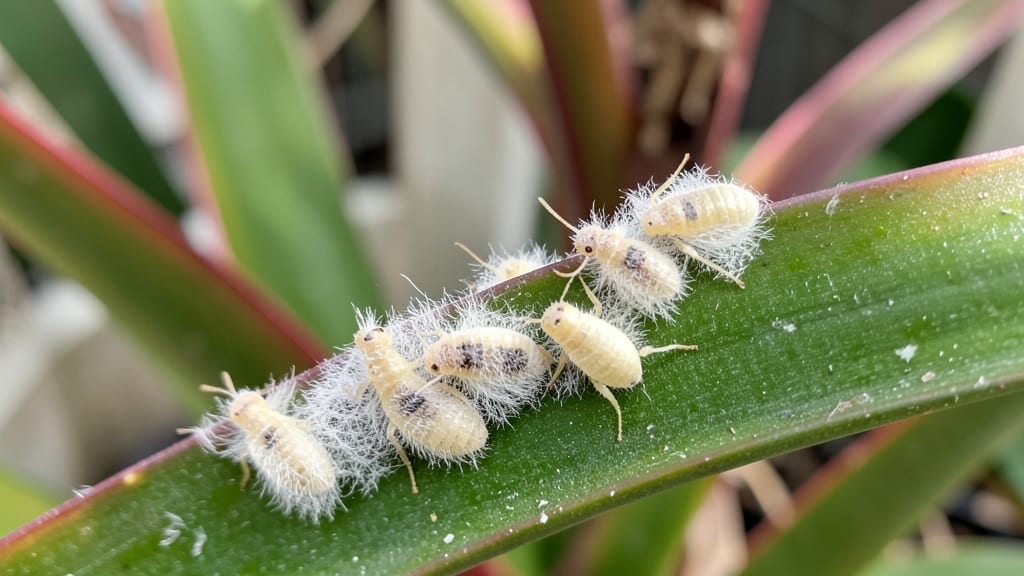
How to get rid of mealybugs on dracaena—those cottony blobs clinging to your plant’s leaves—starts with a neem oil barrier that disrupts their life cycle before they spread. 🌿 I’ve battled these pests myself, and the key is a neem oil barrier that disrupts their life cycle before they take over. This isn’t just about killing them—it’s about breaking their cycle so they don’t return.
The problem starts when these sap-sucking insects hide in leaf creases, leaving sticky residue that attracts ants. Most sprays miss them because they’re protected by their waxy coating. Neem oil, however, smothers their eggs and weakens adults, making it a foolproof organic solution for dracaena owners.
Within 3-5 days, you’ll see fewer pests and new growth pushing through. The plant recovers faster when you combine neem oil with manual wiping of infested areas. No harsh chemicals needed—just patience and consistent care.
Works for all dracaena varieties, from compact 'Warneckii' to towering 'Marginata'. The secret? Reapplying neem oil every 7-10 days until you’ve seen two full leaf cycles without pests. Here’s exactly how to do it right.
Root Causes of Mealybug Infestations
Mealybugs don’t just appear—they’re drawn to your Dracaena like a buffet table because of specific environmental and plant-related factors. Understanding these triggers is the first step to stopping them before they take over.
Let’s break down the real reasons these sap-sucking pests target your plant, so you can address the problem at its source.
Mealybugs thrive in stagnant, warm, and humid environments—think of them as tropical pests with a weakness for cozy, moist spots. Here’s why your Dracaena might be their perfect hideout:
- Poor Air Circulation 🌀 Stagnant air traps moisture around leaves and stems, creating a high-humidity microclimate that mealybugs adore.
These pests originate from tropical regions where humidity hovers around 70-90%, and they’ll happily colonize your plant if your home mimics those conditions. - Actionable clue: If your Dracaena sits in a low-light corner (like a bathroom or kitchen) with little airflow, mealybugs will see it as an all-you-can-eat buffet.
- Excessive Watering 💧 Overwatering doesn’t just drown roots—it soaks the soil, keeping it damp for days.
Mealybugs lay eggs in moist crevices (like leaf axils or stem cracks), and soggy soil signals to them: “Party time!” - Science note: Mealybugs secrete honeydew, a sticky waste product that attracts sooty mold.
If you see black, fuzzy residue on leaves, it’s a red flag that both mealybugs and excess moisture are present.
- Grouped Houseplants 🏡 Placing multiple plants too close together traps humidity between them. Mealybugs can crawl from plant to plant via shared air or even hitchhike on tools (like shears or pots). A single infested plant can spread to neighbors in days.
A healthy Dracaena has natural pesticidal compounds and a strong waxy cuticle that repels pests. But when your plant is stressed, mealybugs smell weakness from miles away (well, a few inches).
- Nutrient Deficiencies 🌱 Lack of nitrogen, phosphorus, or potassium weakens your plant’s cell walls, making it easier for mealybugs to pierce and feed on sap. Yellowing leaves or stunted growth?
That’s a mealybug’s green light to feast. - Pro tip: Test your soil’s pH—mealybugs love slightly acidic to neutral soil (pH 6.0–7.0). If your soil is too alkaline (pH >7.5), your Dracaena struggles to absorb nutrients, leaving it vulnerable.
- Root Stress from Over/Underwatering 💦 - Overwatering: Drowns roots, cutting off oxygen and inviting fungal infections (like root rot).
Mealybugs love stressed roots because they’re easier to exploit. - Underwatering: Triggers osmotic stress, forcing the plant to conserve water—but also reducing sap flow, which mealybugs hate at first. However, once they’re established, they’ll drink up the remaining moisture like a desert traveler at an oasis.
- Physical Damage ⚔️ Bruised leaves (from rough handling, pet claws, or drafts) create entry points for mealybugs. Their stylets (mouthparts) can penetrate damaged tissue far more easily than healthy skin.
Mealybugs are master stowaways, and your Dracaena might’ve unknowingly hosted them from the start—or picked them up recently.
- New Plants or Soil 🛒
- Infested cuttings or propagation material can introduce mealybugs instantly. Always quarantine new plants for 2–4 weeks before introducing them to your collection.
- Contaminated potting mix (especially pearlite-heavy or unsterilized soil) can harbor mealybug eggs or larvae waiting to hatch.
- Outdoor Exposure 🌿 If you’ve recently moved your Dracaena outside (even for a few hours), it could’ve picked up mealybugs from:
- Nearby infested plants (like hibiscus or citrus trees).
- Beneficial insects’ prey—some ladybugs or lacewings eat mealybugs, but others (like aphids) can carry them as they move.
- Windborne cotton or plant debris (mealybugs hide in fluffy materials like cotton balls or mulch).
- Human Activity 👥
- Gardening tools (trowels, shears) can transfer mealybugs from one plant to another.
- Touching infested plants (even at a nursery) and then petting your Dracaena without washing hands.
Once mealybugs move in, they don’t work alone. Their honeydew (a sugary waste product) creates a feedback loop that attracts more pests:
- Sooty Mold 🖤 The black, velvety fungus growing on leaves isn’t just ugly—it’s a mealybug party invitation. Sooty mold feeds on honeydew, and its presence weakens the plant further, making it a mealybug magnet.
- Ants as Bodyguards 🐜 Ants farm mealybugs like cows on a dairy farm. They: 1. Protect mealybugs from predators (like ladybugs).
- Herald them to new plants by carrying eggs on their bodies. - Warning sign: If you see ants crawling on your Dracaena, mealybugs are already there—the ants are just milking them for honeydew.
- Other Sap-Suckers 🐛 Mealybugs share space with:
- Scale insects (which look like brown bumps glued to stems).
- Whiteflies (tiny, moth-like pests that flutter when disturbed). These pests compete for resources, making your plant even more stressed and less able to fight back.
Mealybugs peak at specific times based on temperature and daylight:
- Spring and Early Summer 🌸
- Warmer nights (above 65°F/18°C) trigger mealybug egg hatching.
- New growth (like fresh Dracaena leaves) is rich in sap, making it a mealybug buffet.
- Indoor Heating/AC Shifts 🏠
- Sudden temperature drops (like turning off heat in winter) can shock your plant, making it more susceptible.
- Dry indoor air (from central heating) can crack leaf surfaces, giving mealybugs easy entry points.
- Post-Repotting Stress 🏺 Even if you sterilize soil and tools, the act of repotting stresses the plant. Mealybugs detect this weakness and move in within days.
Mealybugs on your Dracaena aren’t random—they’re responding to specific conditions your plant is providing. By identifying the root cause (humidity, stress, hitchhiking, or seasonal factors), you can disrupt their life cycle before they become a full-blown infestation.
The next step? Targeted treatment—but first, fix the environment they love so much.
Quick Fixes for Mealybugs on Dracaena
Mealybugs may seem like a stubborn pest, but with the right approach, you can restore your Dracaena to its lush, bug-free glory. Below, we’ve mapped out practical solutions tailored to the root causes—whether it’s overcrowding, poor hygiene, or environmental stress.
Each method is designed to be effective, safe, and easy to implement, even for beginners.
Before diving into treatments, contain the problem to prevent mealybugs from spreading to other plants.
- Remove infected leaves or stems (if heavily infested) using sterilized scissors (wipe with rubbing alcohol).
- Quarantine your Dracaena in a separate room or under a mesh tent for 1–2 weeks while treating.
- Check surrounding plants—mealybugs love to hitchhike! Inspect nearby foliage with a magnifying glass.
> 💡 Pro Tip: If your Dracaena is part of a larger collection, separate it immediately—mealybugs multiply fast!
For light infestations, a little elbow grease can work wonders.
- Dampen a cotton swab or soft cloth with 70% isopropyl alcohol (or a mix of water + dish soap).
- Gently dab each mealybug cluster—avoid scrubbing, as this can damage tender leaves.
- Wipe down stems and leaf undersides, where mealybugs love to hide.
- Repeat every 2–3 days until no signs remain.
> ✨ Bonus: Use a toothbrush for stubborn spots—its bristles help dislodge hidden pests.
If manual removal isn’t enough, homemade sprays disrupt mealybugs’ life cycle without harsh chemicals.
🌿 Neem Oil Barrier (Best for Prevention & Treatment)
Neem oil smothers mealybugs and disrupts their feeding/hatching cycle. Here’s how to use it effectively:
- Mix 1 tsp neem oil + 1 tsp mild dish soap + 1 quart water in a spray bottle.
- Shake well before each use (neem oil separates).
- Spray thoroughly, covering all leaf surfaces, stems, and soil (mealybugs hide in crevices!).
- Reapply every 5–7 days for 2–3 weeks, even if bugs seem gone.
> 🔥 Hot Tip: Spray in the evening to avoid leaf burn from sunlight.
🍋 Vinegar & Water (Quick Knockdown)
A vinegar solution (1:1 ratio with water) can kill adult mealybugs on contact, but it’s less effective on eggs.
- Spray directly on infested areas, then rinse leaves after 10 minutes to prevent residue buildup.
- Best for: Severe infestations where you need immediate results.
🌡️ Insecticidal Soap (Fast & Effective)
Commercial insecticidal soaps (like Safer® Brand) are pet-safe and plant-friendly.
- Follow label instructions (usually 1–2 tbsp per gallon of water).
- Spray until leaves glisten, focusing on undersides and crevices.
- Reapply every 5–7 days for 3 weeks.
> 🎯 Warning: Test on a small leaf first—some Dracaena varieties are sensitive to soaps.
If mealybugs keep returning, they may be deep in the soil or plant tissue. Try these long-term fixes:
🌱 Soil Treatment (Kill Larvae & Eggs)
Mealybugs lay eggs in potting mix and root zones. To break their cycle:
- Repot your Dracaena in fresh, sterile soil (avoid reused soil).
- Add beneficial nematodes (Steinernema feltiae) to the soil—they hunt mealybug larvae naturally.
- Water with a weak neem oil solution (1 tsp per gallon) to prevent reinfestation.
💊 Systemic Insecticide (Last Resort)
For severe, persistent infestations, a slow-release insecticide like Imidacloprid (systemic) can work.
- Follow package instructions—usually mixed into water and applied to the soil.
- Avoid overuse, as it can harm beneficial insects.
- Best for: Large collections where manual methods fail.
> ⚠️ Caution: Systemic pesticides stay in the plant for weeks. Use only if other methods fail.
Once your Dracaena is mealybug-free, prevent a comeback with these habits:
| Cause | Fix |
|---|---|
| Overwatering | Let soil dry 2–3 inches deep between waterings. Use pots with drainage holes. |
| Poor Airflow | Space plants 3–6 inches apart and use a small fan (2–3 hrs/day) to improve circulation. |
| Dusty Leaves | Wipe leaves monthly with a damp cloth to remove sticky residue (mealybug attractant). |
| Weak Plants | Fertilize lightly (balanced 10-10-10) every 2–3 months in spring/summer. |
| New Plants | Quarantine new additions for 2 weeks before introducing them to your collection. |
> 🌟 Golden Rule: Inspect your Dracaena weekly—catching mealybugs early means less work later!
✅ Isolate the plant immediately. ✅ Wipe down leaves with alcohol or neem oil. ✅ Spray with neem oil or insecticidal soap every 5–7 days. ✅ Repot if soil is infested (use fresh, sterile mix). ✅ Prevent with better airflow, less water, and regular cleaning.
With consistency, your Dracaena will bounce back stronger and pest-free! 🌿💪
Frequently asked questions
How do I know if my Dracaena has mealybugs?
Look for cotton-like clusters in leaf crevices, stems, or undersides—mealybugs hide there! Check for sticky residue (honeydew) on leaves or ants crawling on your plant (they farm mealybugs). Use a magnifying glass for tiny white eggs along stems.
Can I use dish soap to kill mealybugs?
Yes! Mix 1 tablespoon mild dish soap with 1 quart water in a spray bottle. Shake well and spray directly on pests, focusing on undersides and crevices. Reapply every 3-5 days until gone. Avoid harsh soaps—use Castile or baby soap for plant safety.
Why do mealybugs keep coming back after treatment?
They’re likely hiding in soil or plant tissue! Eggs can survive for months. Repot with sterile soil and add beneficial nematodes to hunt larvae. Always treat every 5-7 days for 2-3 weeks to break their life cycle.
Is neem oil safe for Dracaena?
Yes, when used correctly! Dilute 1 teaspoon neem oil + 1 teaspoon mild soap in 1 quart water. Spray in the evening to avoid leaf burn. Test on a small area first—some varieties are sensitive. Reapply every 7 days for full protection.
How do I prevent mealybugs from spreading to other plants?
Quarantine your Dracaena immediately! Clean tools with rubbing alcohol between uses. Isolate new plants for 2 weeks before adding to your collection. Wipe down leaves monthly to remove sticky residue that attracts pests.