
Pests
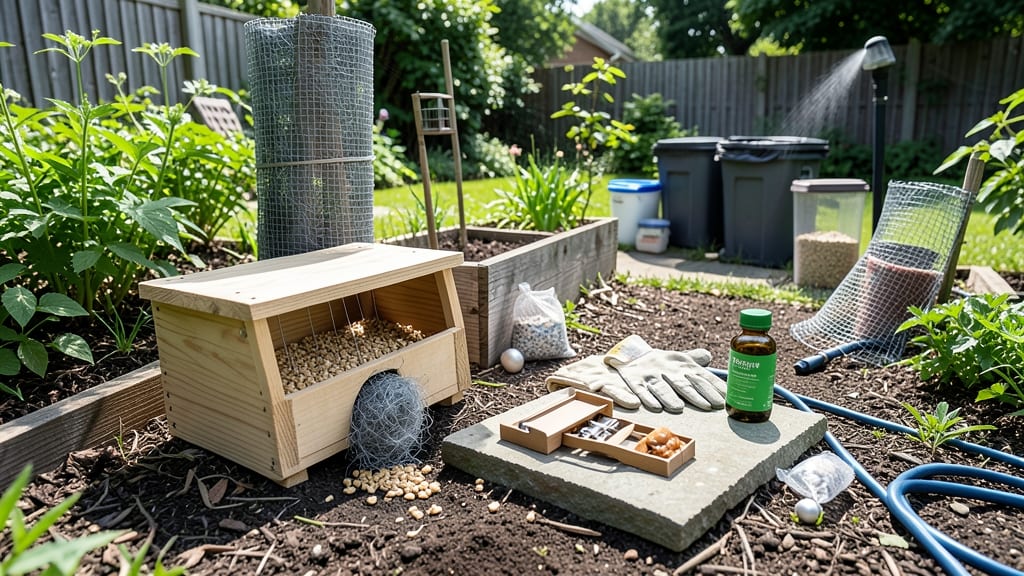
How to get rid of a mouse in your garden—without poison or traps that cause collateral damage. 🌱 I’ve lost count of the times I’ve found gnawed seeds and chewed roots—until I discovered these humane, chemical-free methods that actually work. The key isn’t just trapping; it’s making your garden less appealing to them in the first place.
Most people grab poison first, but that just kills mice where you can’t see them—plus, it can harm pets and beneficial insects. Instead, we’re focusing on physical barriers, habitat tweaks, and natural repellents that keep them out long-term. Think wire mesh, habitat cleanup, and plants they hate.
Within a week, you’ll notice fewer droppings and no more missing seedlings. The best part? These methods protect your soil, pollinators, and even your compost pile. No more sneaky critters ruining your hard work—just a garden that’s truly yours.
Works for raised beds, in-ground plots, and even container gardens. Let’s get your space mouse-proof without harming the ecosystem.
Root Causes of Garden Mice
Understanding why mice invade your garden is the first step to keeping them out for good. These small but persistent pests don’t just wander in for fun—they’re driven by survival instincts, environmental changes, and human habits.
Let’s break down the real reasons mice take up residence in your outdoor space, so you can address the problem at its source.
Mice are opportunistic eaters, and if your garden offers an all-you-can-eat buffet, they’ll move in without hesitation. Here’s what’s luring them:
- Unsecured compost piles – A damp, decaying pile is a mouse paradise. They love the moisture, warmth, and easy access to scraps. - Fruit and vegetable gardens – Soft, ripe produce (like tomatoes, berries, or corn) is a mouse magnet.
Even fallen fruit on the ground can attract them. - Pet food left outdoors – Dog or cat food bowls left outside overnight are like neon signs for mice. - Birdseed and feeders – Mice will climb feeders to snack on spilled seeds, especially in winter when natural food is scarce.
💡 Pro Tip: Store compost in sealed bins with tight-fitting lids, and harvest crops promptly. If you must feed birds, use mouse-proof feeders with weight-sensitive perches that close when a mouse steps on them.
Mice seek cozy, hidden spots to nest—especially during cold weather or heavy rain. Your garden might unknowingly provide the perfect hideout:
- Piles of debris or mulch – Leaves, branches, or wood chips create tunnels and nesting material.
- Gaps in fences, sheds, or decks – Even a small hole (as tiny as a quarter!) is enough for a mouse to squeeze through.
- Underground burrows – If your soil is loose or your garden has bare patches, mice may dig their own tunnels.
- Storage sheds and toolboxes – Mice nest in cardboard, paper, or fabric, so cluttered storage is a risk.
✨ Actionable Fix: Inspect your garden for gaps, seal entry points with steel wool or caulk, and keep woodpiles elevated and off the ground.
Mice are highly sensitive to temperature shifts, and your garden’s microclimate might be inviting them in:
- Cold winters – Mice seek warmth in sheds, under decks, or inside garden structures.
- Heavy rain or drought – Wet conditions drive them out of their natural habitats, while dry spells force them to seek moisture in gardens.
- Early spring thaw – As the ground softens, mice dig deeper, increasing their chances of encountering your garden.
🌡️ Climate Hack: If you live in a cold climate, insulate sheds and storage areas with weather stripping. In dry regions, add water sources (like a small dish) to encourage mice to stay elsewhere.
Sometimes, our own behaviors create the perfect mouse haven. Common mistakes include:
- Leaving fallen fruit or veggies – Even a single apple or tomato can attract mice.
- Using open trash cans – Mice will gnaw through plastic bags to reach food scraps.
- Planting near structures – Gardens touching sheds, garages, or fences give mice easy access indoors.
- Overwatering certain areas – Damp soil attracts insects, which in turn attract mice hunting for snacks.
🎯 Prevention Tip: Always clean up fallen produce immediately, use metal trash bins with locking lids, and avoid planting near buildings if possible.
Mice don’t choose your garden randomly—they’re responding to specific conditions you can control. By identifying these triggers, you’ll be better equipped to block their entry points and remove their incentives to stick around. The next step? Humane removal strategies that work without harming these persistent little visitors.
Effective Fixes for Mouse Problem
Now that you know why mice are invading your garden, it’s time to take action! The good news? There are humane, natural, and long-term solutions to keep these pests out for good. Below, we’ve matched common causes to the best fixes—plus prevention tips to stop future visits.
Mice love cozy, hidden spots to build nests, especially in dense vegetation, woodpiles, or under decking.
🔧 Fix It:
- Clear clutter & debris 🧹 – Remove piles of leaves, mulch, or brush where mice can hide.
- Seal entry points 🔒 – Check for gaps in fences, sheds, or garden structures (even a dime-sized hole is enough!). Use steel wool or caulk to block them.
- Use natural deterrents 🌿 – Sprinkle dried peppermint oil, cayenne pepper, or crushed red pepper near entry points. Mice dislike strong scents!
💡 Prevention Tip: Keep grass short and trim overgrown plants—mice prefer tall, shady spots for cover.
Mice are attracted to fallen fruits, seeds, birdseed, and even pet food left outside.
🍳 Fix It:
- Remove food temptations 🚫🍎 – Pick up fallen fruits, nuts, and seeds daily. Store birdseed in metal containers with tight lids.
- Secure compost bins 🗑️ – Use a locked compost bin or one with a fine mesh lid to prevent access.
- Set humane traps 🐭🔗 – Place live traps (like the Havahart model) near food sources, baited with peanut butter, oats, or dried fruit. Release mice at least 2 miles away in a wooded area.
✨ Pro Tip: Avoid poison—it can harm pets, wildlife, and even contaminate your soil!
Mice need water to survive, so damp areas (like leaky hoses or standing water) make your garden irresistible.
💦 Fix It:
- Fix leaks & drain standing water 🚰 – Check irrigation systems, gutters, and containers for moisture buildup.
- Use dehumidifiers 🌡️ – If your shed or garage is damp, a small dehumidifier can discourage mice.
- Spread diatomaceous earth (DE) 🪨 – Sprinkle food-grade DE (a natural powder) in damp areas—it dehydrates pests on contact.
🎯 Prevention Tip: Store firewood at least 20 feet away from your home and elevated off the ground—mice love nesting in damp woodpiles!
If your garden lacks birds, cats, or owls, mice may feel safe exploring.
🦉 Fix It:
- Encourage predators 🐦 – Install birdhouses or a small catio (if you have a pet cat) to attract natural mouse hunters.
- Use ultrasonic repellers 🔊 – Plug-in devices emit high-frequency sounds that annoy mice (though effectiveness varies).
- Plant mouse-repelling herbs 🌱 – Mint, lavender, and rosemary around garden edges can deter them naturally.
💡 Prevention Tip: Avoid overusing pesticides—they can kill beneficial predators like spiders and birds!
If mice can squeeze into sheds, greenhouses, or even under porches, they’ll move in.
🔧 Fix It:
- Inspect & reinforce structures 🏗️ – Check for gaps in vents, doors, and foundation cracks. Use hardware cloth (1/4-inch mesh) to cover openings.
- Install door sweeps 🚪 – A simple weatherstrip can block tiny entry points.
- Use steel wool in gaps ⚒️ – Mice can’t chew through it, making it a great temporary seal.
🔥 Final Prevention Boost: Conduct a monthly garden check—remove food sources, trim vegetation, and reapply natural deterrents to keep mice out long-term!
Need a quick win? Start with clearing food sources and sealing entry points—these two steps solve 80% of mouse problems! For stubborn infestations, combine traps + deterrents for the best results. 🚀
Frequently asked questions
What’s the fastest way to see results with natural mouse deterrents?
Combine peppermint oil and steel wool for immediate action. Soak cotton balls in peppermint oil and place them near entry points—mice hate the scent. Then seal gaps with steel wool (they can’t chew through it). You’ll notice fewer droppings within 24-48 hours, but full results take 1-2 weeks as they leave the area.
Are live traps cruel to mice?
Not if used properly! Humane live traps (like Havahart) are designed to catch mice without harm. Check traps every 12 hours to prevent stress, and release them at least 2 miles away in a wooded area with water and shelter. Avoid glue traps—they cause suffering and are illegal in many places.
Will cats actually keep mice out of my garden?
Yes, but only if they’re active hunters—not just lap cats! Outdoor cats or even a catio (enclosed outdoor space) can help, but don’t rely solely on them. Combine with hardware cloth barriers around raised beds, as cats may not patrol every corner. A mix of predators and physical barriers works best.
Can I use diatomaceous earth (DE) safely around plants?
Only food-grade DE is safe for gardens! Sprinkle it lightly (1/4 inch thick) near entry points or along garden edges. Reapply after rain, as moisture reduces its effectiveness. Avoid direct contact with flowers or vegetables you eat raw—it’s non-toxic but can irritate sensitive plants.
How do I know if mice are still in my garden after trying deterrents?
Watch for fresh droppings, gnawed plants, or nesting material (shredded paper, fabric). Set up a simple tracking station: Place a small dish of flour near suspected areas—mouse footprints will appear in the morning. If you see signs after 2 weeks, reinforce your barriers or try a different deterrent.