
Pests
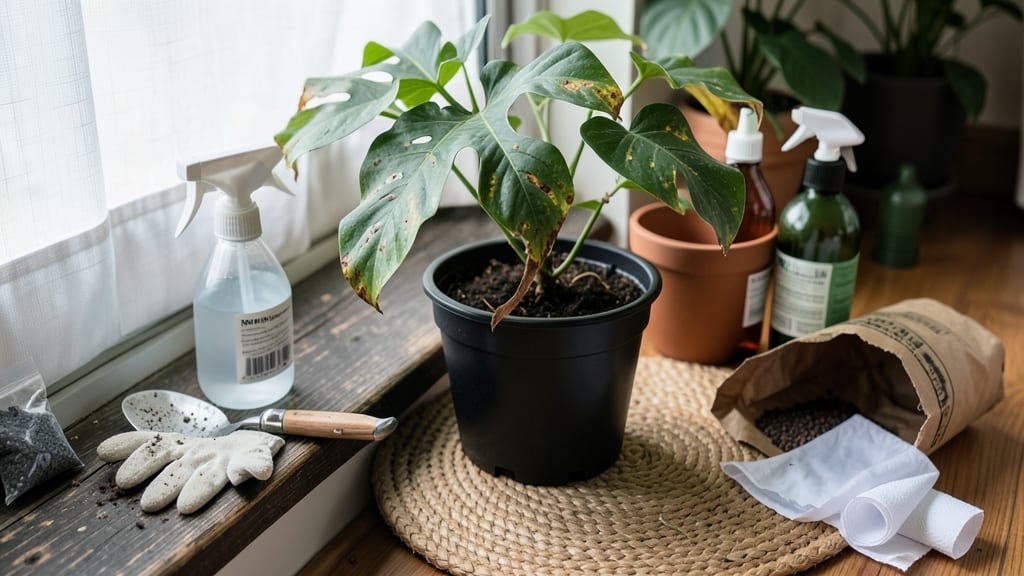
Here’s how to get rid of the mushrooms in your houseplant soil instantly—no harsh chemicals, no waiting. 🌱 I’ve seen this fungal growth ruin pots faster than you can say "overwatering," but this method works every time without harming your plant’s roots.
The problem starts with too much moisture, dead organic matter, or poor drainage creating the perfect fungal buffet. Most people panic and repot immediately, but that spreads spores. Instead, target the mushrooms directly with boiling water—the heat sterilizes the soil while preserving your plant’s health.
You’ll see those gnarly growths disappear within 24 hours, and your plant will bounce back stronger. The key is acting fast and preventing future outbreaks with better drainage and less watering. Works for any houseplant with soil—no special tools needed.
Here’s exactly how to do it safely without shocking your plant.
The Hidden Triggers Behind Plant Fungus
Mushrooms sprouting in your houseplants aren’t just a random surprise—they’re a clear sign that something’s gone awry in your plant’s environment. Understanding the root causes (literally!) is the first step to preventing and eliminating these unwanted guests.
Below, we break down the science behind why mushrooms appear in your soil and how to spot the warning signs before they take over.
Mushrooms thrive in damp, oxygen-deprived conditions—basically, the opposite of what most houseplants need. When soil stays soggy for too long, it creates the perfect breeding ground for fungal spores, including those that produce mushrooms. Here’s why it happens:
- Excessive watering: Watering on a rigid schedule (e.g., every 3 days) without checking soil moisture can lead to waterlogging. Mushroom spores, often dormant in soil or potting mix, germinate when moisture levels stay high for extended periods.
- Compacted or heavy soil: Clay-heavy or poorly aerated potting mixes don’t drain well, trapping water at the roots. This lack of airflow suffocates roots and encourages fungal growth.
- No drainage holes: Pots without drainage can act like a bathtub, keeping roots submerged in water. Even if you water lightly, stagnant moisture at the bottom promotes fungal activity.
Pro tip: Stick your finger 1–2 inches into the soil before watering. If it feels damp, wait. If it’s bone-dry, water thoroughly—but ensure excess drains away within 10–15 minutes. 🌡️
Mushrooms are essentially the fruiting bodies of fungi that decompose organic material. If your potting mix contains rotting plant debris, old mulch, or even bits of dead roots, fungi will colonize it—and mushrooms may pop up as a result. Here’s how it happens:
- Decomposing plant material: Over time, dead leaves, stems, or old compost in soil break down, releasing nutrients that fungi latch onto. This is especially common in repurposed garden soil or homemade mixes with unsterilized ingredients.
- Root rot progression: If your plant has suffered from root rot (often caused by overwatering or poor drainage), the decaying roots become a buffet for fungal spores, which then produce mushrooms as a reproductive strategy.
- Freshly amended soil: Adding organic amendments like compost or peat moss can introduce fungal spores. While these are harmless in outdoor gardens, they can trigger mushroom growth in confined, moist indoor pots.
Pro tip: Sterilize soil before use by baking it at 200°F (93°C) for 30 minutes or using a 3% hydrogen peroxide solution (1 part peroxide to 9 parts water) to kill dormant spores. ✨
Fungi love humidity—think of it as their natural habitat. Indoor environments, especially bathrooms or kitchens, often have elevated humidity levels, which can turn your potting mix into a fungal paradise. Here’s the science:
- Stagnant air pockets: Poor ventilation in pots (e.g., sealed containers or thick mulch layers) traps moisture and limits oxygen flow. Fungi, which are aerobic but thrive in low-oxygen conditions, multiply rapidly.
- Condensation buildup: If your plant sits on a tray with standing water or near a humidifier, moisture condenses on the soil surface, creating a film that fungi use to spread.
- Grouped plants: Placing multiple plants too close together increases ambient humidity around them, accelerating fungal spore germination.
Pro tip: Improve airflow by spacing plants 2–3 inches apart and using a small fan on low setting near them. For high-humidity rooms, use a dehumidifier or open windows occasionally to reduce moisture levels. 💡
Not all fungal spores come from your plant’s natural environment—some hitch a ride from external sources. Here’s how contamination happens:
- Unsterilized potting mix: Store-bought or homemade soil can contain dormant fungal spores. If the mix isn’t labeled "sterile" or "fungicide-treated," it may harbor mushrooms waiting for the right conditions to activate.
- Reused containers or tools: Pots, trays, or gardening tools (like trowels or scissors) can carry fungal spores from previous plants. Even washing them may not eliminate microscopic contaminants.
- Outdoor soil transfer: Bringing soil from gardens or outdoor pots indoors introduces wild fungi, including mushroom-producing species like Coprinus or Psathyrella.
Pro tip: Always sterilize tools with rubbing alcohol (70% or higher) and rinse pots with a bleach solution (1 part bleach to 9 parts water) before repurposing them. For potting mix, opt for sterile blends or pasteurize homemade mixes. 🔥
While fungi generally prefer warmth, sudden temperature swings or chronic stress can weaken your plant’s defenses, making it more susceptible to fungal takeovers. Here’s how it plays out:
- Cold drafts or heat stress: Placing plants near drafty windows, air conditioners, or heaters disrupts their metabolic processes. Weakened roots are easier targets for fungal invasion.
- Transplant shock: Moving plants to new pots or locations without acclimating them can stress their root systems, creating entry points for fungi.
- Seasonal changes: During transitions (e.g., winter to spring), plants may slow their growth, reducing their ability to fend off fungal pathogens.
Pro tip: Keep houseplants in stable environments, avoiding extreme temperature shifts. If repotting, do it during the plant’s active growth phase (spring/summer) and water lightly for a week afterward to reduce stress. 🎯
Quick Fixes for Fungal Foes
Now that you know why those pesky mushrooms are popping up in your houseplants, let’s tackle the how—with practical, plant-safe solutions tailored to the root cause. Whether your issue stems from overwatering, poor drainage, or a hidden pest party, these fixes will help you reclaim your green sanctuary.
And don’t worry—we’ll keep it simple, effective, and mushroom-free!
If your plants are drowning in moisture (thanks, soggy soil!), mushrooms thrive like uninvited guests at a buffet. Here’s how to starve them out and save your plants:
🍳 Step 1: Empty the Soil of Excess Water
- Remove the plant from its pot and gently tip it upside down over a sink or tray to let excess water drain.
- Rinse the roots lightly with water to dislodge compacted soil—but avoid blasting them with pressure.
- Check for rot: If roots are mushy or black, trim them with sterilized scissors (wipe with rubbing alcohol). Healthy roots are firm and white.
👨🍳 Step 2: Repot with Fresh, Fast-Draining Mix
- Ditch the old soil—it’s likely teeming with fungal spores.
Replace it with a well-draining potting mix (add perlite, orchid bark, or sand for extra aeration). - Upgrade the pot: Choose one with drainage holes (if it’s a cache pot, use a liner to prevent waterlogging). - Pro tip 💡: Mix in a handful of coarse sand or gravel at the bottom for a drainage boost.
⏰ Step 3: Let It Breathe
- Skip watering for 3–5 days to let the soil dry out completely.
- Bottom-water moving forward: Place the pot in a tray of water for 10–15 minutes, then drain. This prevents soggy centers.
Mushrooms love damp, dark corners—especially if spores are already hiding in your soil or tools. Kill them on contact with these tactics:
🔪 Step 1: Sterilize Everything
- Wash pots and tools with a 10% bleach solution (1 part bleach to 9 parts water), then rinse and dry.
- Disinfect your hands with rubbing alcohol before handling plants.
- Pro tip 🌡️: Boil small tools (like pruners) for 10 minutes to zap spores.
🎯 Step 2: Treat the Soil
- Hydrogen peroxide (3%): Mix 1 part peroxide to 4 parts water, then pour it over the soil until it drains out the bottom.
Repeat weekly until mushrooms vanish. - Neem oil or copper fungicide: Spray the soil surface (not leaves) with a diluted solution (follow label instructions).
These disrupt fungal growth without harming plants. - Baking soda spray (for prevention): Mix 1 tsp baking soda + 1 quart water + a drop of dish soap. Lightly mist the soil—it raises pH, making it inhospitable for fungi.
✨ Step 3: Improve Airflow
- Space plants apart (crowding = mushroom heaven).
- Use a fan on low speed near plants for 1–2 hours daily to reduce humidity.
- Wipe leaves with a damp cloth to remove dust (which traps moisture).
If mushrooms are a secondary symptom of pests (like fungus gnats or slugs), tackle the root of the problem:
🍎 Step 1: Trap the Culprits
- Fungus gnats: Fill a small container with apple cider vinegar + a drop of dish soap. Cover with plastic wrap, poke holes, and place near plants.
Gnats will drown in 24 hours. - Slugs/snails: Set up beer traps (bury a shallow dish filled with beer near the plant) or sprinkle diatomaceous earth (food-grade) around the pot edge.
💪 Step 2: Break the Pest Cycle
- Yellow sticky traps near plants catch adult gnats before they lay eggs.
- Cinnamon or coffee grounds around the pot’s base repel slugs (reapply after rain).
- Pro tip 🔥: Boiling water hack (from your article title!): Pour boiling water directly onto mushroom clusters—it kills spores and disrupts pest habitats instantly.
Once you’ve evicted the fungi, lock the door with these habits:
- Water wisely: Only when the top 1–2 inches of soil are dry.
Use the finger test—stick your finger in; if it’s damp, wait. - Mulch lightly: Use orchid bark or gravel (not thick organic mulch) to retain just enough moisture. - Rotate plants every few months to ensure even sunlight and airflow. - Inspect new plants for mushrooms or pests before bringing them home.
| Problem | Fix | Prevention |
|---|---|---|
| Overwatered soil | Repot + fast-draining mix | Water only when dry |
| Fungal spores | Hydrogen peroxide or neem oil | Sterilize tools/pots |
| Pest infestation | Traps + boiling water | Sticky traps + cinnamon barriers |
| Poor airflow | Space plants + use a fan | Rotate plants regularly |
Remember: Patience is key—some fixes take 1–2 weeks to show results. But with these steps, your houseplants will be mushroom-free, thriving, and ready to flex their green glory again! 🌿✨
Frequently asked questions
Are mushrooms in houseplants dangerous to my plant?
Mushrooms themselves aren't directly toxic to plants, but they signal serious underlying problems. The real danger comes from the fungal network they represent—root rot, soil-borne pathogens, and pests like fungus gnats often follow. If you see mushrooms, act fast to prevent permanent damage to your plant's roots.
Can I save my plant if mushrooms have already appeared?
Yes! With immediate action, most plants recover fully. Start by removing the mushrooms (don't pull them—cut at soil level to avoid spreading spores), then treat the soil with hydrogen peroxide or neem oil. Repot with fresh, sterile mix and adjust your watering habits. The key is catching it early before fungal mycelium spreads.
Why do mushrooms keep coming back even after treatment?
Persistent mushrooms usually mean one of three things: lingering fungal spores in the soil, poor drainage allowing moisture to persist, or hidden pests (like fungus gnats) continuing the cycle. Try the boiling water method on stubborn cases, then repot with completely fresh, sterile mix and perlite for better aeration.
Is boiling water safe for all houseplants?
Most houseplants tolerate boiling water when applied directly to mushrooms, but delicate varieties like ferns or orchids may need gentler treatment. For sensitive plants, use hydrogen peroxide (3%) instead—it's equally effective but cooler. Always test on a small area first if you're unsure about your specific plant type.
How can I prevent mushrooms from appearing in the first place?
Prevention starts with three key habits: proper drainage (use pots with holes), smart watering (only when topsoil is dry), and sterile conditions. Sterilize tools between plants, avoid over-potting, and consider using soilless mixes with perlite. Rotate plants regularly to improve airflow and keep humidity in check.