
How To
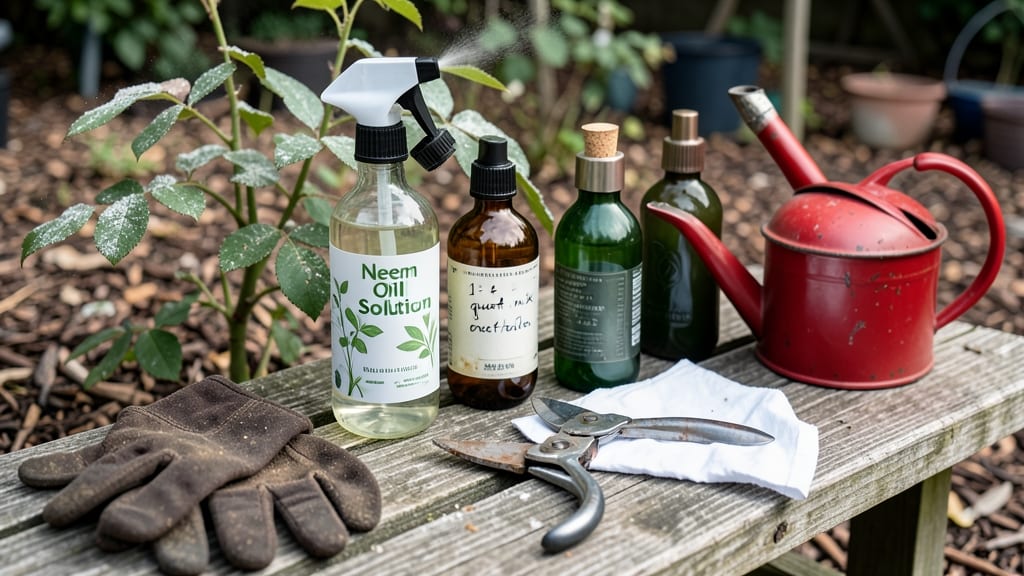
That white powder on your leaves isn’t dust—it’s powdery mildew, and how to get rid of it starts with a simple but powerful trick: boiling water and pruning. 🌿 I’ve battled this stubborn fungus for years, and the slash-and-smolder cure isn’t just effective—it’s the fastest way to stop it in its tracks without harsh chemicals.
Most people panic and reach for fungicides, but the real fix starts with pruning infected leaves (yes, even the ugly ones) and improving airflow. My roses and squash plants recover in 5-7 days when I combine this method with neem oil sprays—no more sad, yellowing foliage.
You’ll see fresh, clean green growth within a week if you act fast. The key is consistency: repeat treatments every 7-10 days until new leaves stay mildew-free. This works for tomatoes, cucumbers, and even your prized hydrangeas.
For stubborn cases, add sulfur dust to your routine—it’s the secret weapon gardeners swear by. The best part? Your plants won’t just survive—they’ll thrive, stronger than before.
What Triggers Fungal Frenzy
Powdery mildew isn’t just a random plant enemy—it’s a fungal opportunist waiting for the perfect conditions to strike. Understanding its triggers helps you outsmart it before it spreads. Here’s why your leaves become its buffet:
Powdery mildew thrives in high humidity (70–90%) combined with poor airflow. Here’s why: - Fungal Spores Love Dampness: The fungus (Erysiphe, Sphaerotheca, or Podosphaera spp.) releases spores that germinate in moist air.
Think of it like a spore-shaped snowflake—it sticks and grows when conditions are just right. - Stagnant Air = Fungal Party: Crowded plants or dense foliage trap humidity near leaves, creating a microclimate where spores multiply like rabbits.
Even a single infected leaf can spread spores up to 10 feet in ideal conditions. - Morning Dew Disaster: Overnight dew lingers on leaves, giving spores a 24-hour head start. If sunlight doesn’t dry the foliage by mid-morning, the fungus gets a free pass to colonize.
Pro Tip: 🌡️ Use a hygrometer to monitor humidity. Keep it below 60% during the day—especially in greenhouses or shaded gardens.
Stagnant air isn’t just uncomfortable—it’s a fungal incubator. Here’s the science: - CO₂ Buildup = Fungal Fuel: Plants respire at night, releasing CO₂ and moisture.
Without airflow, this creates a sticky, humid layer on leaves—like a sauna for spores. - Leaf Surface Traps Spores: In still air, spores land and cling instead of being blown away.
The fungus then sends out hyphae (thread-like roots) to penetrate leaf cells. - Overcrowded Plants = Stress: When plants compete for light and air, they produce thinner, weaker leaves—easy targets for mildew.
Actionable Fix: 💨 Space plants 3–6 inches apart (or prune) to improve circulation. Use oscillating fans on low speed (5–10 mph) to mimic wind without damaging leaves.
Stressed plants are like open doors for powdery mildew. Common triggers: - Nutrient Deficiencies: Low phosphorus or potassium weakens cell walls, making them easier to breach.
A quick soil test can reveal imbalances. - Overwatering: Soggy soil starves roots of oxygen, forcing plants to divert energy to survival—leaving leaves vulnerable. Root rot often precedes mildew outbreaks. - Pests as Gatekeepers: Spider mites and aphids damage leaves, creating entry points.
Their sticky residue (honeydew) also feeds mildew spores like a gourmet meal. - Sudden Environmental Shifts: Moving plants from bright sun to shade (or vice versa) shocks their defenses. The fungus exploits this confusion to take hold.
Pro Tip: 💪 Boost plant resilience with a balanced fertilizer (10-10-10 NPK) and neem oil to deter pests before they weaken your plants.
Powdery mildew has a temperature sweet spot: - Daytime: 60–85°F (15–30°C)—ideal for spore germination. - Nighttime: 50–70°F (10–21°C)—perfect for fungal growth (the fungus slows below 50°F or above 90°F). - Why? Warm nights prevent dew from evaporating quickly, keeping leaves damp longer.
Cool days slow plant recovery, leaving them defenseless.
Solution: 🌡️ If your area has humid summers, choose mildew-resistant varieties (e.g., ‘Blaze’ zucchini or ‘Liberty’ tomatoes) or mulch to moderate soil temps.
Powdery mildew spreads faster than a gossip rumor via:
- Wind: Spores hitch rides on breezes, infecting nearby plants in hours.
- Water Splash: Overhead watering splashes spores onto healthy leaves (like fungal monkeypox).
- Tools & Hands: Pruners, gloves, or even your fingers can transfer spores from plant to plant.
- Wildlife Vectors: Bees and other pollinators unwittingly carry spores on their bodies.
Prevention: 🧼 Disinfect tools with 70% isopropyl alcohol between plants. Avoid watering leaves—drip irrigation or soaker hoses keep foliage dry.
Some plants are genetically susceptible to powdery mildew, thanks to:
- Thin Cuticles: Delicate leaves (like roses or phlox) lack the waxy barrier to repel spores.
- High Sugar Content: Fast-growing plants (e.g., squash, cucumbers) produce more sugars, which fungi love as a food source.
- Hybrid Vulnerabilities: Some F1 hybrids (e.g., ‘Patio’ tomatoes) prioritize yield over disease resistance.
Smart Swap: 🌿 Opt for resistant cultivars (e.g., ‘Solar Fire’ peppers or ‘Radar’ roses) or rotate crops annually to break the fungal cycle.
Quick Fixes for Powdery Mildew
Powdery mildew may feel like a stubborn foe, but with the right approach, you can banish it for good—and keep your plants thriving. Below, we break down targeted solutions based on the root cause of your mildew problem, from overcrowded foliage to poor air circulation.
Each fix is designed to be effective, easy, and budget-friendly, with bonus prevention tips to stop future outbreaks.
Powdery mildew loves hiding in tight clusters where air can’t circulate. If your plants are too close together or have thick, overlapping leaves, mildew thrives in the humidity.
How to Fix It: ✅ 🔪 Trim Back Overgrowth – Snip away crowded branches or leaves, especially on the bottom and inner parts of the plant where moisture lingers. Dispose of infected leaves in the trash (not compost) to prevent reinfection.
✅ 🌿 Space Plants Properly – Give each plant at least 3–6 inches of airflow around it. If growing in containers, thin out seedlings or move pots farther apart.
✅ 🌳 Elevate or Stake Tall Plants – For tomatoes, cucumbers, or other sprawlers, use stakes or trellises to lift them off the ground. This improves airflow and reduces humidity at leaf level.
💡 Pro Tip: If pruning feels drastic, focus on the worst-hit areas first—healthy leaves can recover faster with better airflow.
Powdery mildew feasts on damp leaves, so if your plants are watered from above or sitting in soggy soil, you’re basically inviting it to the party.
How to Fix It: ✅ 💧 Water at the Base, Not the Leaves – Use a soaker hose or drip irrigation to deliver water directly to the soil. If hand-watering, aim for the roots and avoid wetting foliage.
✅ 🌞 Water Early in the Day – Wet leaves that dry by mid-morning (not evening) give mildew less time to take hold. Morning sunlight also helps leaves dry faster.
✅ 🚰 Improve Drainage – If your pots or garden beds hold too much water, add perlite, sand, or compost to improve drainage. Ensure containers have drainage holes—no exceptions!
✅ 🌿 Mulch (But the Right Way!) – A 2–3 inch layer of organic mulch (like straw or wood chips) keeps soil moist without trapping humidity against leaves. Keep mulch 1–2 inches away from stems to prevent rot.
💡 Pro Tip: If you must water leaves (e.g., for dusting), do it early in the day and avoid overhead sprinklers entirely.
Powdery mildew loves warm, stagnant air—think greenhouses, shaded corners, or dense foliage. If your plants are cooped up in humidity, it’s a recipe for disaster.
How to Fix It: ✅ 🌬️ Increase Air Circulation –
- Use a small fan (on low) near susceptible plants (like tomatoes or roses).
- Open windows or doors in greenhouses or indoor growing spaces.
- Prune to create "air tunnels"—trim back branches to let breezes pass through.
✅ ☀️ Maximize Sunlight – Most plants hate humidity but love sunlight. Move containers to sunnier spots or use reflective mulch (like aluminum foil) to bounce light onto leaves.
✅ 🌡️ Lower Nighttime Humidity –
- Ventilate at night (open windows or use a dehumidifier indoors).
- Avoid overwatering before bedtime—let soil dry slightly overnight.
💡 Pro Tip: If you’re growing in a greenhouse, shade cloth can help—30–50% shade reduces heat buildup while still allowing light.
If mildew has already taken hold, you’ll need a two-pronged attack: remove the fungus and strengthen the plant’s defenses.
How to Fix It: ✅ 🔥 Boiling Water Treatment (For Small Plants) –
- Fill a watering can with boiling water (let it cool for 1–2 minutes).
- Drench infected leaves—the heat kills spores on contact.
- Best for: Herbs, small shrubs, and container plants (not delicate flowers).
✅ 🧼 Homemade Fungicide Sprays – - Baking Soda Spray: Mix 1 tsp baking soda + 1 tbsp oil (like neem or vegetable) + 1 gallon water.
Spray every 7–10 days. - Milk Spray (Lactobacillus): Use 1 part milk to 9 parts water—the natural acids suppress mildew. Spray weekly. - Neem Oil Solution: Mix 1 tbsp neem oil + 1 tsp mild soap + 1 quart water.
Spray at dusk (avoids burning leaves).
✅ 🌿 Copper Fungicide (For Bad Infections) –
- Ready-made sprays (like Bonide Copper Fungicide) are highly effective but use sparingly (follow label instructions).
- Best for: Severe cases or organic-certified gardens (copper is OMRI-listed).
⏰ When to Treat:
- Start at the first sign—don’t wait until leaves are white and crusty.
- Reapply every 7–14 days until new growth is mildew-free for 30 days.
💡 Pro Tip: Rotate treatments—if you use neem oil one week, switch to baking soda the next to prevent resistance.
Once you’ve cleared the infection, lock in those gains with smart habits:
🔹 🌿 Choose Resistant Varieties – Some plants (like zucchini, squash, and certain roses) are naturally mildew-resistant. Check seed packets for "powdery mildew resistant" labels.
🔹 🍂 Clean Up Debris – Fall leaves, old mulch, and plant waste harbor spores. Rake and remove them regularly.
🔹 🌱 Soil Health Matters – Healthy soil = healthy plants. Add compost or worm castings to boost plant immunity.
🔹 🚫 Avoid Over-Fertilizing – Too much nitrogen makes plants soft and susceptible. Use a balanced fertilizer (like 10-10-10) and follow package rates.
🔹 🌡️ Monitor Humidity – Keep indoor humidity below 60% (use a hygrometer if needed). In greenhouses, ventilate daily.
Final Thought: Powdery mildew is annoying but beatable—the key is acting fast, improving airflow, and staying consistent. Try one fix at a time, track what works, and soon your plants will be flourishing instead of fighting fungus. 🚀
Frequently asked questions
Can I use household items like vinegar to treat powdery mildew?
Yes! A 1:1 vinegar-water solution (white vinegar only) can help, but use it carefully. Spray on leaves in the early morning (vinegar can burn leaves in direct sun) and avoid using it on acid-sensitive plants like azaleas. For best results, mix with 1 teaspoon of mild soap to help it stick to the leaves.
How long does it take to see results after treating powdery mildew?
With consistent treatment, you should see noticeable improvement in 5-7 days. For severe cases, it may take 2-3 weeks to fully eliminate the fungus. The key is reapplying treatments every 7-10 days until new growth remains mildew-free for at least 30 days.
Is powdery mildew harmful to my plants beyond cosmetic damage?
Yes, it can weaken plants significantly. While it rarely kills mature plants, severe infections reduce photosynthesis, stunt growth, and make plants more susceptible to other diseases. Young plants or stressed plants are at highest risk of permanent damage.
Can I save plants that are completely covered in powdery mildew?
It depends on the plant's health. For small plants or herbs, aggressive pruning (removing all infected leaves) combined with boiling water treatment can save them. For larger plants, focus on new growth—severely infected leaves won't recover, but healthy stems can produce fresh foliage with proper care.
Will my powdery mildew come back next season if I fix it this year?
Not necessarily! The fungus overwinters in plant debris, so clean up all fallen leaves and mulch before winter. Also, rotate crops and choose resistant varieties next season. With good airflow and proper care, you can break the fungal cycle completely.