
Companion Plants
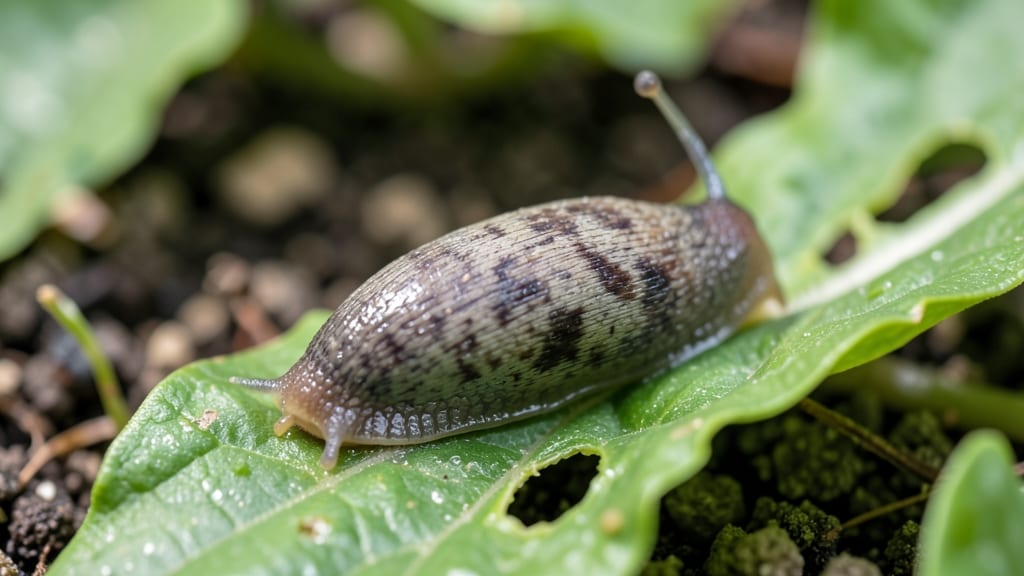
How to get rid of slugs on plants without toxic chemicals? Your hosta leaves turned into Swiss cheese overnight, but there’s a better way—natural barriers that actually work. The good news is you don’t need harsh pesticides to evict these slimy invaders; just smart, eco-friendly solutions that protect your garden and its ecosystem.
Start with physical barriers like crushed eggshells or sharp gravel around plant bases—slugs hate crawling over rough edges. Copper tape creates a mild electric shock when they touch it, sending them packing.
For hidden slug hotspots, beer traps (yes, really) lure them in with a shallow dish of beer left overnight.
By morning, you’ll see fewer slime trails and more intact leaves. The best part? These methods keep working season after season, and your garden stays slug-free without harming bees, butterflies, or other helpful critters.
Even better, these solutions work in containers, raised beds, and traditional gardens. No more waking up to chewed seedlings or ragged petals—just healthy plants and a slug-free zone. Here’s how to set up your defenses the right way.
📚 In This Guide
- What you need
- Instructions
- Tips and common mistakes
- Wrapping up and next steps
What you need
- ● Garden gloves – 1 pair (to protect your hands from sharp edges and slimy slugs).
- ● Garden trowel or small shovel – For digging trenches or planting barriers.
- ● Natural slug repellents (pick 1-2): Crushed eggshells – 1 cup (sharp edges deter slugs).
- ● Diatomaceous earth (food-grade) – 1 lb (non-toxic but deadly to slugs).
- ● Coffee grounds – ½ cup (caffeine disrupts their slime trails).
- ● Organic mulch (straw, wood chips, or pine needles) – 2-3 inches thick (creates a dry barrier).
- ○ Beer traps (optional but effective) – 1-2 shallow containers (e.g., yogurt cups) filled with beer.
- ● Copper tape or wire – 1 roll (electrical charge repels slugs).
- ● Duckweed or lettuce as bait – Small trays (slugs love these and can be removed easily).
- ● Predator-friendly plants (e.g., lavender, thyme, or marigolds) – To attract slug-eating critters like ground beetles.
- ● Hose or spray bottle – For wetting barriers or diluting repellents.
Step-by-Step instructions for creating natural slug barriers
Here's how I've kept my garden slug-free for years—no chemicals, just smart placement and simple materials.
Choose and Prepare Your Physical Barriers
Start with materials that create a physical obstacle slugs can't cross. Copper tape is my top choice because it delivers a mild electric shock when they touch it—slugs avoid it instinctively. Cut strips about 2 inches wide and wrap them around pots or create a perimeter around garden beds. For larger areas, use crushed eggshells or diatomaceous earth (food-grade only), spreading them in a 2-3 inch band around plants.
If you're using eggshells, crush them finely so they form a sharp, uneven surface. Slugs can't crawl over this texture, but it won't harm your plants. For diatomaceous earth, apply it on a dry day—it needs to stay dry to work effectively. Water will wash it away, so reapply after rain or irrigation.
Create a Moisture Trap Around Plants
Slugs thrive in damp conditions, so reducing moisture near your plants is key. Place dry sand or coarse grit (like gravel) in a 1-inch deep band around the base of your plants. The rough texture discourages slugs, and the dryness makes the area unappealing. For containers, fill the saucers with sand or gravel instead of water—this prevents slugs from climbing in.
If you're dealing with a heavily slug-infested area, consider installing a shallow trench around your garden beds. Fill it with dry sawdust or wood ash—both are natural slug repellents. The trench acts as a moat, and the dry materials inside keep slugs from crossing. Refresh the sawdust every few weeks as it breaks down.
Set Up Beer Traps for Overnight Control
For a hands-on approach, use beer traps to catch slugs actively. Bury a shallow container (like a plastic cup or small jar) in the soil so the rim is level with the ground. Fill it with beer or yeasty liquid—slugs are attracted to the smell, crawl in, and drown. Place traps near problem areas, especially after rain when slug activity peaks.
Check traps in the morning and empty them—you don’t want the smell attracting more slugs or becoming a breeding ground for pests. I like to place traps under hosta plants or near lettuce beds, where slugs are most active. This method is temporary but highly effective for reducing numbers quickly.
Introduce Natural Predators
Encourage slug-eating predators like ground beetles, frogs, and birds to patrol your garden. Leave some leaf litter or mulch in shady areas—these provide hiding spots for beetles, which are voracious slug hunters. A small birdbath or shallow water source will attract frogs, which will help control slug populations naturally.
If you have chickens or ducks, let them roam your garden during the day. They’ll happily snack on slugs while also fertilizing the soil. Even a few hedgehogs (if you're in a rural area) can make a huge difference—just provide them with a small shelter or log pile to nest in. The key is creating a balanced ecosystem where predators have what they need to thrive.
Maintain and Monitor Your Barriers
Slug control isn’t a one-time fix—it requires regular upkeep. Check your barriers every 3-4 days, especially after rain. Reapply crushed eggshells, diatomaceous earth, or sand as needed, and refresh beer traps or sawdust in trenches. Copper tape may need tightening or replacing if it gets bent or damaged.
Pay attention to where slugs are most active—you’ll notice patterns, like after heavy watering or during humid nights. Adjust your barriers accordingly. If you see new slug activity in a specific spot, add an extra layer of defense, like a combination of copper tape and sand. Consistency is the key to keeping slugs at bay long-term.
Tips & tricks for effective natural slug control
These practical insights will help you maximize the effectiveness of your slug barriers while saving time and effort in the garden.
Timing is Everything: In Step 1, when you're scouting for slugs at dusk or dawn, bring a small spray bottle with soapy water. You'll often find slugs hiding in clusters under boards or dense mulch—this lets you remove them immediately rather than waiting for damage to appear. I've saved entire lettuce seedlings this way by acting within minutes of spotting them.
Barrier Reinforcement: For the 2-3 inch wide barriers in Step 2, create a double layer by first placing a thin layer of diatomaceous earth (food-grade only) followed by crushed eggshells. The diatomaceous earth dehydrates slugs on contact while the eggshells provide a physical barrier. Refresh this combination every 5 days or after heavy rain to maintain effectiveness—this two-step approach works better than single materials alone.
Copper Application Tips: When using copper tape or wire in Step 3, overlap the edges slightly to eliminate any gaps where slugs could crawl underneath. For raised beds, bend the copper wire into a slight "U" shape around the edge to create a physical barrier that extends upward slightly. This prevents slugs from simply walking around the copper barrier entirely.
Predator Habitat Hacks: In Step 4, place your beer traps slightly away from the garden bed edges—about 6-12 inches out. Slugs are more likely to crawl toward the trap if there's no immediate plant attraction. Also, add a few drops of dish soap to the beer to break the surface tension, making it harder for slugs to escape once they fall in.
Pro Tips for Get Rid Of Slugs On Plants
- These practical insights will help you maximize the effectiveness of your slug barriers while saving time and effort in the garden.
- Timing is Everything: In Step 1, when you're scouting for slugs at dusk or dawn, bring a small spray bottle with soapy water.
- Barrier Reinforcement: For the 2-3 inch wide barriers in Step 2, create a double layer by first placing a thin layer of diatomaceous earth (food-grade only) followed by crushed eggshells.
Frequently asked questions
Got slugs wreaking havoc on your garden? You’re not alone!
Here are answers to the most common questions about keeping those slimy pests at bay—so you can protect your plants without harsh chemicals.
What’s the best time of day to check for slugs?
Slugs are most active after rain or during evening hours when it’s damp and dark. Early morning or late afternoon is ideal for spotting them near your plants. Use a flashlight to inspect leaves and soil edges—this helps you act fast before they cause damage!
How long does it take for natural slug deterrents to work?
Results vary! Physical barriers (like copper tape or crushed eggshells) start working immediately, while organic repellents (such as garlic spray or diatomaceous earth) may take 24–48 hours to show full effect. Consistency is key—reapply after rain or every few days for best results.
Are coffee grounds really effective against slugs?
Yes! Used coffee grounds create a gritty, unpleasant environment for slugs. Sprinkle them around plant bases or mix into soil. However, they work best as a preventative—once slugs are already feeding, combine them with other methods (like beer traps) for faster results.
Can I use companion plants to deter slugs long-term?
Plant slug-resistant companions like lavender, thyme, or marigolds near vulnerable plants. These emit scents slugs dislike. For extra protection, add chives or garlic—their strong aromas naturally repel pests while boosting your garden’s health.
What should I do if slugs keep coming back?
If slugs persist, layer your defenses:
- Add copper tape around pots/containers (creates a mild electric shock).
- Use iron phosphate baits (pet-safe) to reduce populations.
- Remove hiding spots like mulch or debris near plants.
Wrapping up and next steps
Getting rid of slugs doesn’t have to be a battle—just a smart, eco-friendly strategy! 🌱 From natural barriers like copper tape and diatomaceous earth to companion plants and homemade traps, you’ve got plenty of effective, chemical-free options.
Start small, experiment with what works best in your garden, and watch those slimy pests shrink away.
Now that you’re armed with knowledge, take action today! Pick one method, set it up, and monitor your plants. Soon, you’ll be enjoying a slug-free, thriving garden—without the hassle. Happy gardening! 🌿