
How To
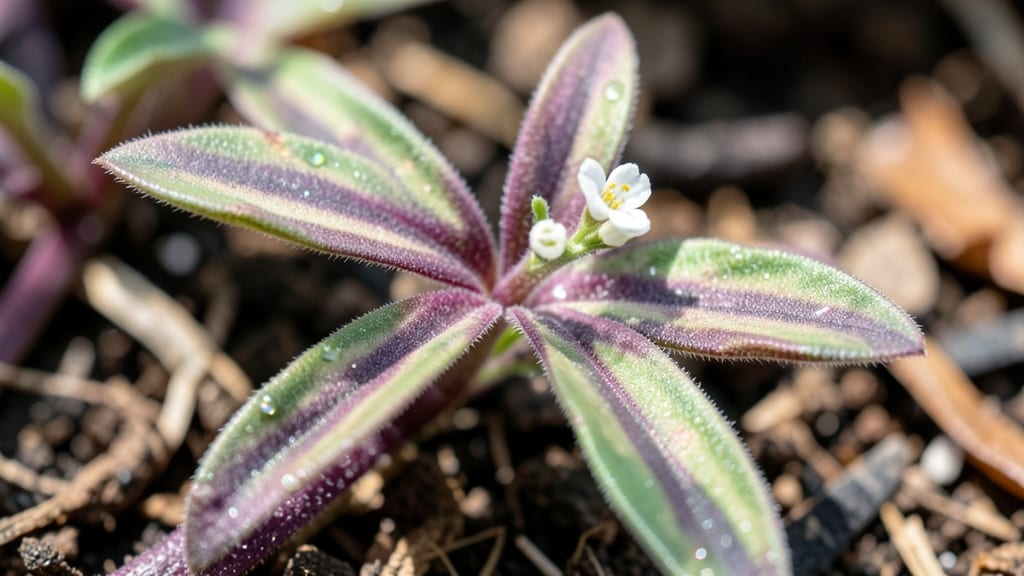
How to get rid of spiderwort—it spreads faster than weeds in a spring rainstorm. 🌱 I’ve wrestled with it in my garden beds for years, and the pull-and-smother method finally gave me control—without harsh chemicals. This approach works because spiderwort’s shallow roots make it surprisingly easy to remove once you know the right timing and technique. The key is acting when the soil is moist but not soggy, usually in early spring or fall when the plant is actively growing. Grab the base near the roots and wiggle—don’t yank—and you’ll pull up the whole clump. Smothering the remaining roots with thick cardboard or mulch prevents regrowth, and the process becomes a lot less frustrating once you see how stubborn (but beatable) this plant really is. By late summer, your garden beds will look completely different—no more straggly purple blooms crowding out your prized perennials. The method also works for preventing future invasions, as long as you stay vigilant about checking for new shoots after rain. This technique saves money, skips the chemical residue, and actually improves soil health over time. Here’s how to make it work in your garden without breaking a sweat.
Root Causes of Spiderwort Spread
Spiderwort (Tradescantia spp.) can turn your garden into an unwelcome green carpet if left unchecked. But why does it take over so aggressively? Understanding the underlying factors helps you tackle the problem at its source. Here’s what’s really driving its spread:
Spiderwort thrives because of its biological design for survival. This plant is a perennial, meaning it grows back year after year from underground rhizomes (horizontal stems). Unlike annuals that die back in winter, spiderwort’s rhizomes store energy, allowing it to regenerate even after mowing or partial removal.
- Rhizome expansion: Each node on the rhizome can sprout new shoots, creating a dense network underground. A single plant can produce dozens of new stems in a season if conditions are ideal.
- Fast reproduction: Spiderwort spreads via both seeds and vegetative growth (rhizomes). While seeds are less common, they’re lightweight and can hitchhike on wind, water, or animals, colonizing new areas.
- Shallow roots: Its roots don’t penetrate deeply, making it vulnerable to disturbance (like tilling) but also allowing it to exploit surface moisture and nutrients efficiently.
💡 Pro Tip: If you’ve ever dug up spiderwort and left small rhizome fragments in the soil, those pieces can still grow into new plants. Always remove 100% of the rhizome system to prevent regrowth.
Spiderwort doesn’t just grow—it thrives in the right conditions. If your yard matches its preferences, it’s basically inviting the plant to move in and stay forever. Here’s what it loves:
| Factor | Spiderwort’s Sweet Spot | How It Helps Spread |
|---|---|---|
| Sunlight | Partial shade to full sun | More sunlight = faster growth and seed production. Shady spots slow it down but don’t stop it entirely. |
| Soil Moisture | Moist but well-drained | Drought stresses it, but consistent watering fuels rhizome expansion. Overwatering can rot roots, but it’s still resilient. |
| Soil Type | Rich, loamy, or slightly acidic | Nutrient-dense soil gives it the energy to outcompete other plants. Poor soil? It’ll still grow, just slower. |
| Climate | Temperate zones (USDA Hardiness Zones 5–10) | Mild winters let rhizomes survive; hot summers accelerate growth. Freezing temps can kill tops but rarely the roots. |
⚠️ Warning: If your garden has all of these conditions, spiderwort is like a weed on a buffet table. Dry soil or full shade are your best natural deterrents—but they’re not foolproof.
Spiderwort is a opportunist. When other plants aren’t competing for space, sunlight, or nutrients, it fills the gap like a green vacuum. Here’s why it wins:
- Aggressive root system: Its rhizomes spread horizontally, smothering grass and ground covers. A single plant can block sunlight to nearby vegetation, weakening competitors.
- Fast vertical growth: Spiderwort can grow up to 2 feet tall in a season, shading out slower-growing plants like clover or moss.
- Chemical warfare: Some studies suggest spiderwort releases allelopathic compounds (natural chemicals) that inhibit the growth of nearby plants, giving it an unfair advantage.
🌡️ Heat Check: If your lawn has bare patches or thin grass, spiderwort will exploit them. A dense, healthy turf is your first line of defense against invasion.
Sometimes, we’re the reason spiderwort takes over. Even well-meaning actions can spread it unintentionally:
- Improper disposal: Tossing clippings or pulling plants without removing roots can leave rhizome fragments to regrow.
- Soil movement: Tilling, landscaping, or even walking on infested areas can bury rhizomes deeper, where they’ll sprout later.
- Unknowing transport: Spiderwort seeds or rhizomes can hitch a ride on tools, shoes, or pets, colonizing new areas.
- Over-fertilizing: Too much nitrogen encourages fast, leafy growth—perfect for spiderwort’s expansion.
✨ Game-Changer: If you’re dealing with a spiderwort problem, avoid tilling (it spreads rhizomes) and bag and trash all plant debris—never compost it.
Natural Ways to Remove Spiderwort
Now that you know why spiderwort invades your lawn or garden, let’s tackle the how. This pesky weed thrives in sunny, moist conditions, but with the right approach, you can outsmart it—naturally.
Below are targeted solutions based on the root cause of your spiderwort problem, plus prevention tips to keep it from creeping back.
---
Best for: Small infestations, organic gardens, or early-stage growth.
Spiderwort’s shallow roots make it surprisingly easy to pull by hand—just be patient and persistent. Follow these steps for the best results:
1. 🔥 Wait for the Right Time Pull spiderwort after a rainy day or when the soil is moist (early morning or late evening). Dry soil makes roots brittle, so they snap off instead of coming out clean.
2. 👨🍳 Grab and Twist - Hold the weed close to the base (where the roots start). - Grip firmly and twist counterclockwise to loosen the root ball. - 💡 Pro Tip: Use a weeding tool or gloves to protect your hands—spiderwort can stain!
3. 🥘 Smother the Soil Once pulled, cover bare spots with cardboard, mulch, or thick layers of newspaper to block sunlight.
Spiderwort seeds need light to germinate, so starve them out! - Best mulch options: Straw, wood chips, or grass clippings (avoid clumping). - ⏰ Timeframe: Leave smothering material for 4–6 weeks to kill remaining roots/seeds.
4. 🔄 Repeat Weekly Spiderwort grows aggressively, so check your lawn every 5–7 days and pull new sprouts before they spread.
---
Best for: Large areas, compacted soil, or when spiderwort keeps returning.
If pulling isn’t enough, solarization (using the sun’s heat) can kill roots and seeds in the soil. Here’s how:
1. 🌞 Choose a Hot Day Pick a dry, sunny week (ideal temps: 85°F+ / 30°C+).
2. 📊 Cover the Area - Lay clear plastic sheeting (thick, 4–6 mil) directly over the infested soil. - Seal the edges with soil or rocks to trap heat. - Leave for 4–6 weeks (longer in cooler climates).
3. 💡 Watch for Results - The soil will feel hot to the touch—this is normal! - After treatment, till or rake the area to expose any remaining roots, then replant with grass or ground cover.
⚠️ Warning: Solarization kills all plants and soil organisms—use only in bare soil or areas you plan to reseed.
---
Once you’ve removed spiderwort, break its cycle with these low-maintenance strategies:
| Problem | Solution | How to Do It | |---------------------------|-----------------------------------------------------------------------------|---------------------------------------------------------------------------------| | Overwatered lawn | Reduce irrigation, improve drainage | Water deeply but less often (2–3x/week).
Test soil drainage with a percolation test. | | Compacted soil | Aerate to loosen roots | Rent a core aerator or use a garden fork to poke holes every 6 inches. | | Thin grass cover | Plant competitive ground cover | Overseed with tall fescue, clover, or creeping thyme—these crowd out weeds. | | High-nitrogen fertilizer | Switch to balanced or slow-release fertilizer | Use a 10-10-10 or organic fertilizer to reduce weed-friendly growth. | | Seed spread | Remove flowers before they seed | Snip off flower heads as soon as they appear (wear gloves!). |
--- For extra protection, mix this non-toxic spray to deter regrowth: - 1 gallon water - 1 tbsp dish soap (natural, like Castile) - 1 tbsp white vinegar - 1 tbsp rubbing alcohol (70% or higher)
How to use: 1. Spray directly on spiderwort leaves (avoid desirable plants). 2. Reapply every 3–4 days until new growth stops. 3. ⚠️ Note: This won’t kill roots but weakens the plant for easier pulling.
--- Spiderwort is a perennial weed, meaning it’ll keep coming back if you don’t stay on top of it. Check your lawn weekly during growing season (spring–fall), and combine methods (pulling + smothering + prevention) for the best results.
💪 Ready to reclaim your yard? Start with the pull-and-smother method, then layer in prevention to keep spiderwort from staging a comeback!
Frequently asked questions
Why does spiderwort keep coming back after I pull it?
Even when you remove the tops, the rhizomes (horizontal underground stems) can regrow if left in the soil. These rhizomes store energy and sprout new shoots—sometimes just 1-inch fragments can grow into full plants! Always dig deep to remove 100% of the root system and smother the area afterward.
Can I use vinegar to kill spiderwort?
Yes, but it’s not a standalone solution. A mix of 1 gallon water + 1 cup white vinegar + 1 tbsp dish soap will kill the leaves, but the rhizomes will survive. Use it to weaken plants before pulling, then follow up with smothering or solarization for best results. Reapply every 3–4 days until regrowth stops.
How do I tell spiderwort apart from beneficial plants?
Spiderwort has purple or pinkish flowers with 6 petals and thin, grass-like leaves that grow in a rosette pattern. Unlike beneficial plants, it spreads aggressively via rhizomes and lacks deep roots. Check for spidery stems (hence the name) and no true bulb—if it looks like it’s "crawling" across your lawn, it’s likely spiderwort.
Will solarization work in cooler climates?
Solarization requires consistent temps above 85°F (30°C) for 4–6 weeks to be effective. In cooler climates, extend the treatment to 8–12 weeks or combine it with pre-pulling to weaken the rhizomes first. Monitor soil temps with a thermometer—if it stays below 75°F (24°C), this method may not work alone.
Can I compost spiderwort after removing it?
Never compost spiderwort—even small rhizome fragments can survive and sprout in your compost pile! Bag and trash all plant debris immediately, including roots. If you’re determined to compost, freeze the clippings for 3 days first to kill any dormant rhizomes, but this isn’t foolproof.