
Pests
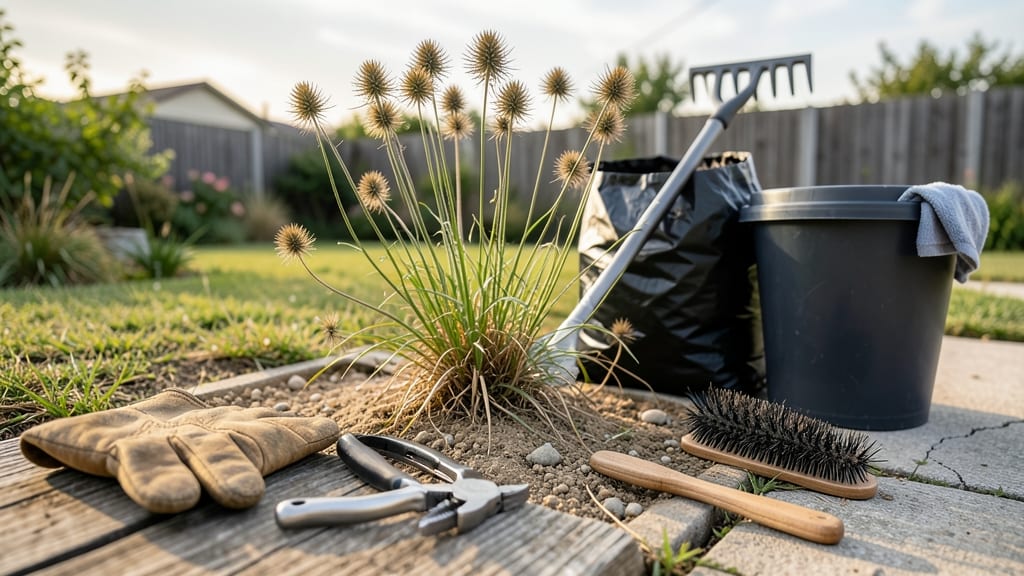
How to get rid of sticker burrs in the yard—those spiky invaders that cling to shoes, fur, and fabric like tiny landmines. 🌱 I’ve wrestled with them for years, and I finally cracked the code: friction-free removal using tools you already own. The key is timing, technique, and a little elbow grease (or vinegar). Most people pull too late, letting seeds mature into a second wave of burrs. Grab them when they’re young—3-4 inches tall—and they come out cleanly with a fork or weeding knife. For stubborn patches, a vinegar spray (1:1 ratio with water) weakens roots overnight. Just avoid spraying desirable plants, or you’ll regret it. You’ll walk away with a yard that doesn’t feel like a Velcro trap, and your pets won’t come home looking like they’ve been through a porcupine’s den. The secret? Work in the morning when the soil is damp but not muddy—burrs slip out effortlessly. This method works for lawns, sidewalks, and even cracks in pavement. No more cursing at every step or picking burrs out of your dog’s fur for weeks. Let’s make your yard burr-free—without the battle scars.
The science behind stubborn burrs
Sticker burrs aren’t just an annoying nuisance—they’re the result of clever plant adaptations designed to hitchhike on animals, clothing, or even your lawnmower. Understanding the why behind their tenacity is the first step to outsmarting them. Let’s break down the key factors that turn your yard into a burr battleground.
Burrs are nature’s version of Velcro, evolved to cling to anything that brushes against them. These plants (like cockleburs, sandburs, or beggarticks) produce seeds with barbed or spiny structures that interlock with fibers, fur, or even your shoes.
The more friction they experience, the tighter they grip—thanks to tiny, backward-facing hooks that dig into surfaces.
How it works:
- Microscopic barbs (often microscopic) create a mechanical lock when pulled.
- Seed dispersal strategy: Burrs rely on animals or humans to carry them far from the parent plant, ensuring survival in new territories.
- Dry conditions worsen grip: As burrs dry out, their hooks tighten, making removal even harder.
Burrs thrive in disturbed, compacted, or nutrient-rich soil, often popping up after:
- Lawn aeration (exposes seeds buried just beneath the surface).
- Heavy foot traffic (tramples seeds into the ground, where they germinate).
- Poor drainage (waterlogged or dry spells stress grass, giving burrs a foothold).
The moisture factor:
- Too wet? Soft soil lets seeds sink deeper, making them harder to pull.
- Too dry? Hardpacked soil forces seeds to stay near the surface—but their hooks grip tighter when dry.
- pH imbalance: Some burrs (like sandburs) prefer slightly acidic or alkaline soil, which can explain why they’re worse in certain spots.
Your well-intentioned yard care might be unwittingly inviting burrs.
Here’s how: - Over-fertilizing: Lush grass attracts insects that spread burr seeds. - Skipping mowing: Tall grass hides burr plants until they’re fully mature (and spiky). - Using mulch from infested wood: Some burrs hitch rides on chipped wood or compost from unknown sources. - Ignoring weeds early: A single burr plant can produce thousands of seeds before you notice it.
The ripple effect:
- Mower blades can chop burrs into smaller, harder-to-spot pieces that still spread.
- Raking leaves can stir up dormant seeds buried in thatch.
Burrs don’t just wait to be stepped on—they actively spread via:
- Wind dispersal: Lightweight burrs (like beggarticks) float on breezes and lodge in grass.
- Wildlife couriers: Squirrels, rabbits, and even birds carry burrs on their fur or in nests.
- Pet paws: Dogs and cats track burr seeds from one part of the yard to another.
Why it’s sneaky:
- A single chipmunk can scatter seeds 50+ feet from the original plant.
- Lawn equipment (like trimmers) can fling burrs across the yard like tiny projectiles.
Some burrs are opportunistic invaders that exploit weak spots in your lawn’s ecosystem:
- Grass thinning: Bare patches give burrs direct sunlight and space to grow.
- Pest damage: Grubs or chinch bugs weaken grass roots, making it easier for burrs to take hold.
- Fungal activity: Certain fungi in the soil can stimulate burr seed germination, creating sudden outbreaks.
The domino effect:
- One burr plant → Hundreds of seeds → Next season’s infestation if not controlled early.
Burrs aren’t just random weeds—they’re highly adapted survivors that exploit soil, weather, and human activity to spread. The good news? Once you know their tricks, you can starve them out, physically remove them, or prevent their spread before they take over.
Next up: How to break their grip without pulling your hair out. 🧵💥
Quick fixes for stubborn sticker burrs
Sticker burrs may feel like an unwinnable battle, but with the right tools and techniques, you can reclaim your yard in no time. Below are practical, step-by-step solutions tailored to the most common causes—plus tips to keep those pesky seeds from returning.
Cause: Tiny hooks latch onto fabric, fur, or skin while walking. Fix: A quick tug-and-twist with these tools:
- 🔥 Duct Tape or Packing Tape
- Press the sticky side firmly over the burr.
- 👨🍳 Pull sharply at a 45° angle to break the grip.
- Pro tip: ⭐ Use garden twine tied in a loop to snag multiple burrs at once.
- 🥘 Rubbing Alcohol or Hand Sanitizer
- Dab a cotton ball on the burr—alcohol weakens the adhesive.
- Wipe away residue with a damp cloth.
- Bonus: Disinfects minor skin irritation from scratches.
- 🔪 Nail Clippers or Tweezers
- For burrs embedded in skin or tight fabric, grip the base and snip cleanly.
- Safety tip: ⚠️ Sterilize tools with rubbing alcohol first!
Cause: Seeds disperse via wind/animal fur, germinating into spiky weeds. Fix: Preemptive strikes + manual removal work best.
| Method | How to Do It | Best For |
|---|---|---|
| 🌡️ Boiling Water | Pour slowly over patches of burrs (avoid roots of desired plants). | Sidewalks, driveways, cracks |
| 🎯 Vinegar Solution | Mix 1 gallon white vinegar + 1 cup salt. Spray on burrs; repeat weekly. | Lawns, mulch beds |
| 🔪 Hand Pulling | Wear gloves and grasp burrs at the base—twist hard to uproot. | Small infestations |
| 🚜 Lawn Mower | Set blades high to chop burrs before they seed. Mow frequently in peak season (late summer). | Large yards |
Prevention tip: 💡 Lay down cardboard or landscape fabric before mulching to block light (burrs need it to sprout).
Cause: Mowers, rakes, and brooms collect burrs, spreading them further. Fix: Clean tools regularly with these tricks:
- 🧽 Soapy Water Scrub
- Soak tools in warm, soapy water for 10 minutes.
- Use a stiff brush to dislodge stubborn burrs.
- 🔥 Lighter Flame (Caution!)
- For metal tools, quickly pass over a flame—heat loosens the grip.
- ⚠️ Safety first: Use outdoors, away from flammable materials.
- 🎯 Sticky Trap Method
- Coat a cardboard box with petroleum jelly and place near tools.
- Burrs will cling instead of hitchhiking elsewhere.
Stop burrs before they start with these low-effort habits:
- 🌿 Mow High & Often
- Keep grass 3–4 inches tall to shade out burr seeds.
- 🚫 Remove Debris
- Clear fallen leaves/debris weekly—burrs hide in thick layers.
- 🐕 Pet & Shoe Routine
- Brush pets after outdoor time.
- Shake out shoes/clothes before entering the house.
- 🌱 Plant Competitors
- Clover or dense ground covers outcompete burrs for space.
Final Pro Tip: ✨ Timing is everything! Target burrs before they seed (late summer/early fall). A 10-minute daily sweep with a rake can save hours of frustration later.
Now grab your tools—your yard (and sanity) will thank you!
Frequently asked questions about sticker burr removal
Why do sticker burrs seem to multiply overnight?
One mature burr plant can produce thousands of seeds that spread via wind, animals, or even your lawnmower. The seeds lie dormant in soil for years, germinating when conditions are right—like after aeration or heavy rain. That's why you might see sudden outbreaks even if you've dealt with them before.
What's the best time of day to remove sticker burrs?
Early morning is ideal when soil is moist but not muddy. Wet soil helps loosen roots while dry conditions make burrs cling tighter. Avoid working in midday heat—the plants become tougher, and you'll miss smaller seedlings hiding in shade.
Will vinegar really kill sticker burrs without harming my grass?
Vinegar works best as a spot treatment—never spray entire lawns. Use a 1:1 vinegar-water mix with 1 cup salt (for extra effectiveness) and apply only to burrs. Grass may show temporary browning but recovers. For safety, test on a small patch first and avoid spraying on windy days.
How do I prevent burrs from sticking to my dog's fur?
First, keep your yard well-maintained—mow high and remove debris weekly. After walks, brush your dog with a slicker brush or damp towel to remove burrs before they attach. For stubborn cases, rub petroleum jelly on their fur before outdoor time to create a barrier.
Can I use a weed burner on sticker burrs?
Yes, but with caution! A propane torch can effectively kill burrs when used briefly (2-3 seconds per plant). Work in dry conditions and avoid windy days. For large areas, this is faster than manual removal, but always wear protective gloves and eyewear—burrs can become airborne when burned.