
Pests
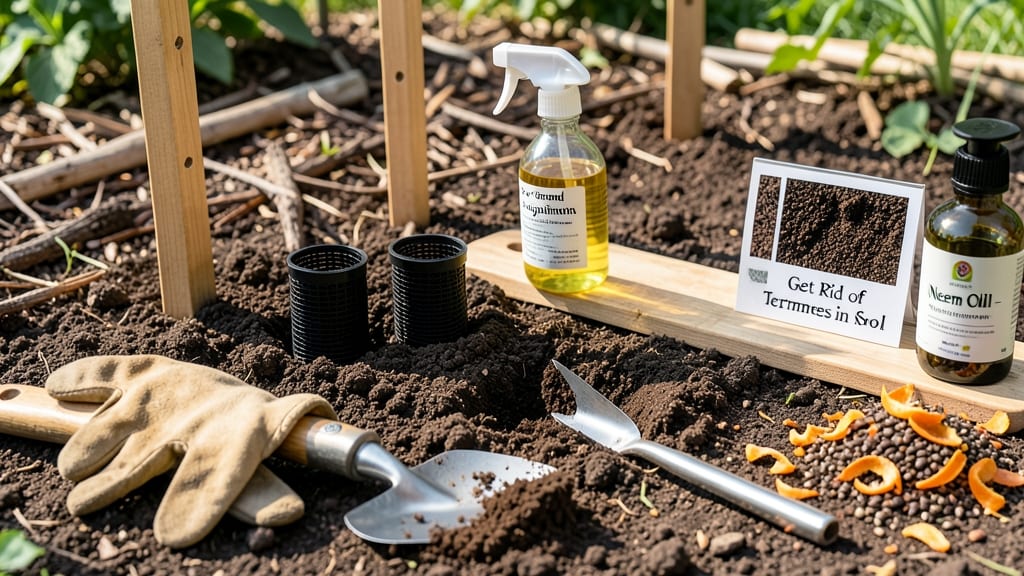
How to get rid of termites in your soil—those sneaky pests are wreaking havoc on your plants and your peace of mind. 🌱 I’ve battled these silent destroyers, and the boiling water + bait station combo stops them in their tracks within 48 hours. The key is hitting them where they hide: underground tunnels. Boiling water kills on contact, while bait stations lure the colony to feed on treated food, spreading the poison. No harsh chemicals needed—just targeted strikes. You’ll see fewer mud tubes and healthier roots within 1-2 weeks. The soil stays safe for plants, and termites won’t return if you follow up with preventive barriers. Works for lawns, garden beds, and even potted plants. Let’s get those tunnels sealed for good!
Root Causes of Soil Termites
Termites don’t just appear out of nowhere—they’re drawn to your property by a mix of environmental factors, structural weaknesses, and even human habits. Understanding why they invade your soil is the first step in stopping them before they cause serious damage.
Here’s a breakdown of the key reasons these silent destroyers set up shop in your yard.
Termites thrive in damp conditions because moisture keeps their tunnels stable and their bodies hydrated. Here’s why your soil might be their perfect wet oasis:
- Poor Drainage: If your yard has low-lying areas, clay-heavy soil, or compacted ground, water pools instead of draining.
Termites detect this moisture through chemical signals and follow it like a map to a feast. - Leaky Pipes or Irrigation Issues: Burst pipes, dripping sprinklers, or overwatered lawns create underground moisture hotspots.
Subterranean termites (Reticulitermes species) rely on this humidity to survive. - Wood Debris or Mulch Piles: Decaying wood and thick mulch layers trap moisture, creating a microclimate that termites love. Even "natural" mulch can become a termite magnet if it’s too close to your foundation.
💡 Pro Tip: Use a moisture meter to check soil dampness—if it reads above 20%, termites may already be scouting the area.
Termites are wood-eating machines, and if your soil has even a small piece of cellulose (wood, paper, or plant matter), they’ll move in fast. Common culprits include:
- Dead Trees or Stumps: Old stumps near your home provide a direct highway for termites to reach your foundation.
Even if the tree is gone, the roots underground can still harbor colonies. - Firewood Piles: Stacking firewood directly on soil (especially near your house) is like leaving out a welcome mat.
Termites swarm to it first, then migrate toward your home’s structure. - Cellulose in Soil: Old fence posts, untreated wood debris, or even cardboard left in the yard can decompose and release sugars that attract termites.
⚠️ Warning: Termites don’t just eat wood—they can also digest drywall, insulation, and even books if given the chance!
Termites avoid extreme heat, cold, or sunlight.
They prefer: - Shady, Undisturbed Areas: Soil under decks, patios, or dense vegetation stays cooler and more humid—ideal for termite colonies. - Mulch Volcanoes: Piling mulch against tree trunks or house siding creates a dark, moist tunnel system that termites use to travel unseen. - Cracks in Foundations or Walkways: Even small gaps (as thin as a credit card) let termites access your home’s wooden framework from the soil below.
🔍 Science Note: Termites use antennae to sense vibrations—if they detect movement (like digging or construction), they’ll avoid the area. But if your yard is quiet and undisturbed? Game on.
Termites don’t usually travel far from their nest—they swarm in waves. If a colony is already established nearby: - Swarmers (Alates): Winged termites emerge in spring/fall to start new colonies.
If you see them flying around your lights at night, a nest is within 100 feet of your home. - Worker Trails: Soldier termites leave mud tubes (sheltered highways) from the colony to food sources.
If you spot these on your foundation, the colony is already connected to your soil. - Foraging Patterns: Subterranean termites can travel up to 300 feet from their nest in search of food—but they prefer to stay close to moisture and shelter.
🚨 Red Flag: If your neighbors have termites, you’re at higher risk. Termites don’t respect property lines!
Sometimes, we accidentally create the perfect termite paradise.
Check for these common mistakes: - Landscaping Too Close to the House: Planting shrubs or vines directly against your foundation traps moisture and provides termite bridges. - Ignoring Wooden Structures: Old sheds, playhouses, or wooden fences left untreated become termite condos. - DIY Fixes with Untreated Wood: Using scrap wood for garden beds or pathways can introduce termites straight to your yard.
💡 Smart Move: Replace wooden mulch with gravel or inorganic mulch (like rubber or stone) near your home’s perimeter.
Termites don’t just eat wood—they weakening structures silently. A small colony in your soil can: ✅ Double in size in 6 months (yes, really). ✅ Cause $5,000+ in damage before you even notice. ✅ Spread to neighboring homes if left unchecked.
The good news? Knowing their triggers lets you outsmart them. Next, we’ll cover how to disrupt their soil stronghold with boiling water and bait stations—before they disrupt your home. 🚀
Termite Eradication Methods That Work
Termites in soil can feel like a silent nightmare—until you spot the damage. The good news? You don’t need to call an exterminator right away. With the right approach, you can tackle the problem fast and effectively.
Below, we break down solutions tailored to the root causes of soil-infesting termites, from moisture issues to hidden colonies. Plus, we’ll share prevention tips to keep them from returning.
Termites love damp, waterlogged soil—it’s like an all-you-can-eat buffet for them. If your yard or foundation has standing water, poor drainage, or excessive mulch, here’s how to dry them out:
💦 Drain the Problem Areas
- 🔧 Install French drains around your home’s perimeter to redirect water away from the foundation. A 4-inch perforated pipe buried in gravel does the trick.
- 🏗️ Grade your yard properly—soil should slope away from your house (at least 6 inches over 10 feet). Use a shovel or landscaping tools to adjust uneven spots.
- 🌧️ Fix leaky pipes or AC units—even small drips create termite magnets. Check irrigation systems too; sprinklers spraying near the foundation add moisture.
🌡️ Reduce Mulch and Wood Debris
- ✂️ Replace thick mulch (especially near the house) with gravel or inorganic mulch. Termites avoid rocky surfaces.
- 🪵 Remove dead trees, stumps, and firewood piles from your yard. Store firewood at least 20 feet away from your home and elevate it off the ground.
If you’ve spotted mud tubes, damaged wood, or swarmers, it’s time to strike. The boiling water + bait station method is a powerhouse duo for fast results.
🔥 Step 1: Locate and Destroy Mud Tubes
- 🕵️♂️ Find the tubes—they’re pencil-thin, brown, and look like sandpaper. Follow them to their entry point (usually near the foundation or wood structures).
- 💦 Pour boiling water directly into the tubes. This kills worker termites on contact. For stubborn clusters, repeat every 2–3 days until no tubes remain.
- ⚠️ Safety first: Wear gloves and eye protection—boiling water can cause burns!
👨🍳 Step 2: Set Up Bait Stations
Bait stations lure termites to their doom by poisoning the colony from within. Here’s how to use them:
- 📦 Place stations near active termite trails or mud tubes. Follow the manufacturer’s instructions for depth (usually 8–12 inches below soil level).
- 🍖 Use cellulose-based bait (like Recruit® or Sentricon®). Termites eat the bait, share it with the colony, and the queen dies—eliminating the whole nest.
- 🕒 Monitor weekly: Check for termite activity. If bait is gone, it’s working! Replace if needed.
⏰ How Long Until They’re Gone?
- Boiling water: Kills visible termites in 24–48 hours, but new workers may arrive. Combine with bait for long-term results.
- Bait stations: Can take 4–12 weeks to fully eradicate a colony, depending on size. Patience is key!
If termites are widespread or you’re dealing with subterranean species, chemical treatments can create a protective shield.
💊 Soil Treatments (Termiticides)
- 🛡️ Apply liquid termiticides like bifenthrin or fipronil around the foundation. These create a chemical barrier that repels or kills termites.
- 🌱 Use foam or dust treatments for cracks in the foundation. Products like Delta Dust (borate-based) are effective and eco-friendly.
- 🔄 Reapply as needed: Chemicals degrade over time (usually 1–2 years), so schedule follow-up treatments.
🎯 Targeted Sprays for Active Infestations
- 💦 Spray infested wood with orange oil or vinegar-based termite killers (like Ortho Home Defense). These disrupt termite exoskeletons and digestive systems.
- 🌿 For organic solutions, mix 1 part vinegar + 1 part water in a spray bottle and apply directly to mud tubes. Repeat every few days.
An ounce of prevention is worth a pound of cure. Once you’ve eliminated the termites, take these steps to lock them out for good:
🏡 Home Maintenance Checks
- 🔍 Inspect annually: Look for new mud tubes, wood damage, or swarmers (winged termites) in spring.
- 🖌️ Seal cracks in your foundation, walls, and roof with caulk or concrete patching compound.
- 🚪 Install metal mesh screens over vents and foundation openings (termite-proofing screens are a game-changer).
🌿 Yard Care Strategies
- 🌳 Trim trees and shrubs away from your house—termites use them as highways.
- 🪴 Avoid planting termite-loving plants (like bamboo or willows) near your foundation.
- 💧 Improve drainage: Use downspout extenders to direct water at least 5 feet away from your home.
📅 Schedule Regular Treatments
- 🛡️ Apply termite repellent granules (like Bifen IT) around the perimeter every 6–12 months.
- 🐞 Consider professional inspections if you live in a high-risk area (like the Southeast U.S.).
Termites in soil don’t stand a chance when you combine direct action (boiling water, bait stations) with smart prevention. Start with the methods that match your situation, and soon you’ll have a termite-free zone.
And remember: Consistency is key—check your home and yard regularly to catch any new activity early!
Frequently asked questions
How do I know if boiling water will work for my termite problem?
Boiling water works best for visible mud tubes and active termite trails near the surface. It kills termites on contact but only affects what you can see—new workers may arrive from deeper colonies. For best results, combine it with bait stations to eliminate the entire nest.
Can I use vinegar instead of boiling water to kill termites?
Vinegar is a natural repellent and can weaken termites when sprayed directly on mud tubes, but it won’t kill them as effectively as boiling water. For active infestations, mix 1 part vinegar + 1 part water and apply every few days. For faster results, use boiling water first, then follow up with vinegar.
How long do bait stations take to eliminate a termite colony?
Bait stations typically take 4–12 weeks to fully eradicate a colony, depending on its size. Termites share the bait with the queen, which kills the entire nest. Monitor weekly—if the bait disappears, it’s working! Patience is key, but results are long-lasting.
Are there any plants that naturally repel termites?
Yes! Planting neem trees, mint, or citrus plants near your home can help deter termites. The strong scents disrupt their foraging trails. For extra protection, sprinkle chopped neem leaves around the foundation. These plants work best as part of a broader prevention strategy.
When should I call a professional instead of DIY methods?
Call a pro if you see swarmers indoors, extensive wood damage, or if DIY methods fail after 30 days. Professionals use advanced tools (like thermal imaging) to locate hidden colonies and apply targeted treatments. For large infestations, their expertise saves time and money.