
Pests
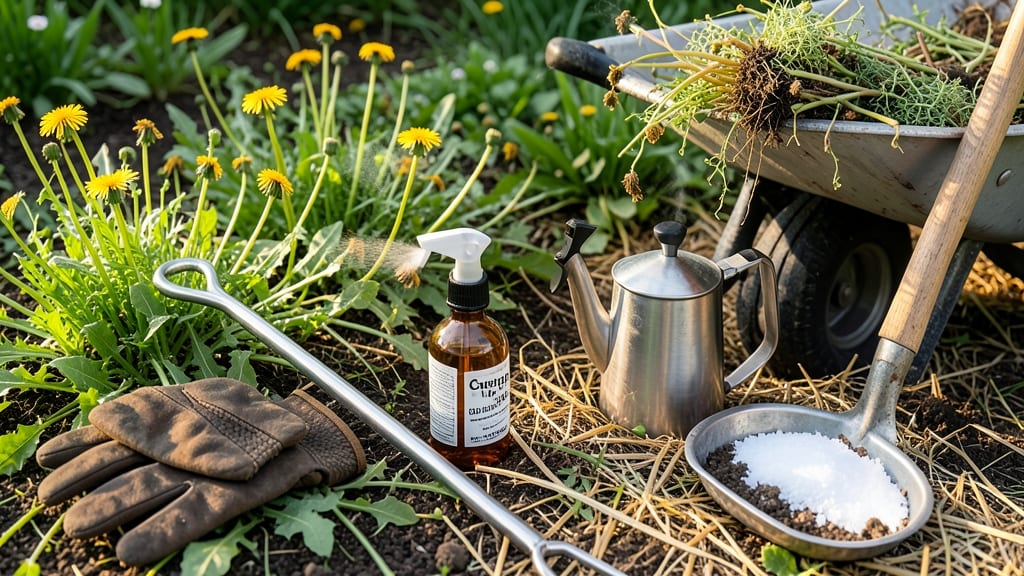
How to get rid of weeds in minutes—not hours—using boiling water. 🌱 I’ve used this method for years to clear stubborn patches without chemicals, and it works even on deep-rooted weeds like dandelions and clover. The trick is timing and technique: pour the water at the right moment, and the roots smother instantly.
No fancy tools needed—just a kettle or garden watering can. Fill it with water, bring to a full boil, then pour directly onto the weed’s base. For thick patches, repeat every 2-3 days until the soil stays bare. The steam sears roots while leaving your plants unharmed if applied carefully.
You’ll see results within 24 hours—wilting leaves, then total collapse. The soil stays weed-free for weeks, and you avoid the mess of digging or pulling. Perfect for sidewalks, driveways, or garden edges where weeds keep creeping back.
Works year-round, but spring and fall are ideal when weeds are actively growing. For extra protection, add a thin layer of mulch afterward to block new seeds. No more backbreaking pulling—just fast, effective eradication.
The Hidden Triggers Behind Weeds
Weeds don’t just pop up out of nowhere—they thrive because of specific conditions that give them the upper hand. Understanding these triggers is key to stopping them before they take over. Here’s why weeds become such a persistent problem in your yard or garden:
Weeds flourish when they have space to grow without competition. In lawns and gardens, thick grass or dense plantings can block sunlight and nutrients, but if gaps form—whether from thin grass, bare soil, or poor mulching—weeds seize the opportunity.
Studies show that bare soil warms faster and retains moisture longer, creating the perfect environment for weed seeds to germinate. Even a small patch of exposed dirt can become a weed hotspot within weeks.
Why it matters: Weeds like crabgrass and dandelions are early spring germinators, meaning they sprout as soon as the soil temperature hits 50–55°F (10–13°C). If your lawn is sparse, they’ll outcompete your grass before it even gets a chance to fill in.
Weeds love water—too much of it. Overwatering doesn’t just keep weeds alive; it encourages them to spread aggressively. Deep watering (especially in the morning) can drown shallow-rooted grass, while frequent light watering keeps the topsoil damp, signaling weeds like chickweed and moss to germinate.
Even poor drainage or clay-heavy soil traps moisture, creating a weed paradise.
Science-backed fact: A study in the Journal of Environmental Horticulture found that weeds can grow 30% faster in moist soil compared to dry conditions. That’s why weeds often appear after heavy rains or inconsistent watering patterns.
Most weeds are sun-loving opportunists—they thrive in full sunlight but also take advantage of shaded areas where grass struggles. Common weeds like nutsedge and bindweed can tolerate low light, while others, such as purslane, grow aggressively in hot, sunny spots.
If your yard has patchy shade (from trees, structures, or tall plants), weeds fill those gaps faster than grass can recover.
Key insight: Shady weeds (like ground ivy) often have broader leaves to maximize photosynthesis in low light, while sunny weeds (like spotted knapweed) produce deep roots to access water. Adjusting your mowing height or pruning trees can disrupt their advantage.
Weeds are masters of nutrient scavenging. They thrive in soil that’s been recently disturbed—whether by tilling, digging, or even foot traffic. When you aerate your lawn or turn over garden beds, you’re essentially inviting weeds by exposing buried seeds to sunlight and loose soil.
Additionally, organic matter like compost or animal manure can over-fertilize weeds, giving them a growth boost over slow-growing grass.
Data point: A single dandelion can produce up to 200 seeds per plant, and those seeds can lie dormant in the soil for years until disturbed. Even a small garden renovation can wake up a dormant weed army.
Grass isn’t just outcompeted by weeds—it’s often weakened by unseen threats. Grubs, chinch bugs, and other pests devour grass roots, leaving bald patches where weeds move in. Soil erosion (from heavy foot traffic, construction, or poor irrigation) also exposes roots, making grass vulnerable.
Without a strong root system, your lawn becomes an easy target for weeds like clover and henbit, which fill in where grass can’t.
Pro tip: If your lawn has thin spots larger than a dinner plate, it’s a red flag for weed invasion. Addressing pest control and soil health first can prevent weeds from taking over.
Simple Solutions to Stop Weeds Fast
Weeds are stubborn, but with the right approach, you can reclaim your garden, driveway, or patio without harsh chemicals. The key is targeting the root cause—whether it’s cracks in pavement, overwatering, or poor soil health—and applying a fast, effective fix.
Below, we’ve broken down practical, weed-free strategies based on the most common triggers, plus prevention tips to keep them from coming back.
Weeds love sneaking into tiny gaps where sunlight barely reaches. If your driveway, walkway, or patio has cracks, they’re basically invitation cards for weeds like chickweed, clover, and crabgrass.
🛠️ Fix It:
- Pull the Weeds First 🌱
- Use a weed puller or digging fork to remove weeds roots and all. For stubborn roots, soak the area with boiling water (see method below) to soften the soil before pulling.
- Clean the Cracks 🧹
- Brush out dirt, debris, and dead roots with a stiff brush or wire brush. A vacuum with a hose attachment works great for deep crevices.
- Apply a Boiling Water Barrier 🔥 - Boil 1–2 gallons of water (per 10 linear feet of crack). - Slowly pour it into the crack—this smothers roots and kills weeds on contact.
For extra strength, add 1 tbsp of salt or vinegar per gallon (but avoid salt near plants). - Repeat weekly for 2–3 weeks to ensure all roots are dead.
- Seal the Cracks 🛡️
- Use crack filler (asphalt-based for driveways, concrete patch for sidewalks) or polyurethane sealant for flexible, long-lasting results.
- For preventative sealing, apply a weed-blocking membrane (like landscape fabric) before filling larger gaps.
💡 Prevention Tips:
- Inspect cracks every 3–6 months and reseal as needed.
- Use a weed barrier fabric under mulch or gravel to block new growth.
- Pre-treat with corn gluten meal (a natural pre-emergent) in early spring to stop weed seeds from sprouting.
Too much water creates the perfect breeding ground for weeds like nutsedges and moss. If your lawn or garden stays soggy, weeds will thrive while your plants struggle.
💧 Fix It:
- Check Your Watering Habits 🚰
- Water deeply but less frequently—most weeds can’t survive in dry soil. Aim for 1–1.5 inches per week (including rain).
- Water in the morning to reduce evaporation and fungal growth.
- Improve Drainage 🏗️
- Aerate compacted soil with a garden fork or aerator to help water drain faster.
- Add compost or sand to heavy clay soil to improve drainage naturally.
- Smother Weeds with Boiling Water 🌡️
- For localized soggy spots, pour boiling water directly on weeds (avoid desirable plants).
- For large areas, use a pressure washer on a low setting to dislodge weeds before they regrow.
- Replace Mulch or Grass 🌿
- If weeds keep returning, remove the top layer of soil (2–3 inches) and replace it with fresh topsoil + compost.
- Re-seed with drought-tolerant grass or switch to gravel, mulch, or ground cover (like clover) that weeds can’t penetrate.
💡 Prevention Tips:
- Install a rain sensor on your sprinkler system to avoid overwatering.
- Use drip irrigation for gardens to deliver water directly to plant roots, not the soil surface.
- Plant dense ground covers (like creeping thyme or moss) to outcompete weeds.
Weedy areas often mean nutrient-poor soil where weeds outcompete your plants. If your soil lacks organic matter, weeds like dandelions and plantain will dominate.
🌱 Fix It:
- Test Your Soil 📊
- Use a DIY soil test kit (available at garden centers) to check pH and nutrient levels. Weeds often thrive in high-nitrogen, low-organic-matter soil.
- Add Organic Matter 🍂
- Spread 2–3 inches of compost over the area and lightly till it into the top 6 inches of soil.
- For quick results, use well-rotted manure or leaf mold to improve soil structure.
- Use a Natural Weed Killer 🌿
- Boiling water + dish soap (1 tbsp per gallon) breaks down weed cell walls. Apply directly to leaves.
- Vinegar spray (1 gallon white vinegar + 1 oz dish soap) works on young weeds but may harm nearby plants—spot-treat only.
- Plant Competitive Ground Covers 🌸
- Clover, creeping jenny, or hostas shade out weeds naturally.
- Straw mulch (not wood chips) suppresses weeds while improving soil as it breaks down.
💡 Prevention Tips:
- Top-dress with compost annually to keep soil healthy and weed-resistant.
- Mow high (3–4 inches) to strengthen grass roots and block sunlight for weed seeds.
- Solarize soil in late summer: Cover weedy areas with clear plastic for 4–6 weeks to bake out weeds (great for vegetable gardens).
Pavement weeds (like spurge and henbit) exploit the smallest cracks. The fastest way to stop them? Heat + physical barriers.
🔥 Fix It:
- Pull & Boil 🔥
- Yank weeds at the base (wear gloves—some, like spurge, cause skin irritation).
- Pour boiling water into cracks and along the weed’s growth line to kill roots.
- Apply a Salt-Vinegar Mix ⚗️
- Mix 1 part salt + 1 part white vinegar in a spray bottle.
- Spray directly on weeds (avoid desirable plants—this can harm grass and flowers).
- Reapply every 3–4 days until weeds die.
- Use a Weed Torch (Safely!) 🔥
- A propane weed torch burns weeds on contact. Best for driveways and walkways—just avoid windy days!
- Torch in the evening when plants are dry but soil is damp (prevents fire spread).
- Install a Physical Barrier 🛡️
- Lay landscape fabric under gravel or mulch to block new weeds.
- Use edging (metal, plastic, or brick) to create a clean border between pavement and plant beds.
💡 Prevention Tips:
- Seal cracks immediately—weeds spread fast in broken pavement.
- Sweep driveways regularly to remove weed seeds before they germinate.
- Apply pre-emergent herbicide (like corn gluten meal) in early spring to prevent seeds from sprouting.
Final Pro Tip: 🌟 Combine methods for best results—e.g., pull weeds → boil cracks → seal → mulch. Weeds hate consistency! With these fast, chemical-free fixes, you’ll see 90% fewer weeds in 2–4 weeks and a long-term weed-free zone if you stay proactive.
Frequently asked questions
Will boiling water harm my plants or grass?
No, if applied carefully! Boiling water only kills weeds when poured directly on their leaves and roots. Always aim for the weed base and avoid spraying nearby plants. For grass, stick to cracks or driveways—never pour boiling water on healthy lawns. The heat targets weeds while leaving soil microbes and beneficial plants unharmed.
How often should I repeat the boiling water treatment?
For stubborn weeds, repeat every 2-3 days until the area stays bare. Deep-rooted weeds (like dandelions) may need 3-4 treatments. Once the soil is weed-free, maintain results by sealing cracks or adding mulch. Spring and fall are ideal seasons for consistent treatments.
Can I use this method on concrete driveways or sidewalks?
Boiling water works perfectly on hard surfaces. Focus on cracks and weed bases along edges. For extra protection, seal cracks with asphalt filler after treatment. The steam kills roots while the concrete remains intact—no damage to pavement.
What's the best time of day to treat weeds with boiling water?
Early morning or late afternoon works best. The sun should be low to avoid rapid evaporation. Treat when weeds are actively growing (spring/fall) and soil is slightly damp. Avoid windy days—boiling water should stay concentrated on the target area.
Will this method work on thick weed patches?
Yes, but patience is key! For dense patches, start by pulling visible weeds, then apply boiling water to remaining roots. Repeat weekly for 2-3 weeks. Combine with mulch or landscape fabric afterward to prevent regrowth. Large areas may need multiple gallons of boiling water per treatment.