
Propagation
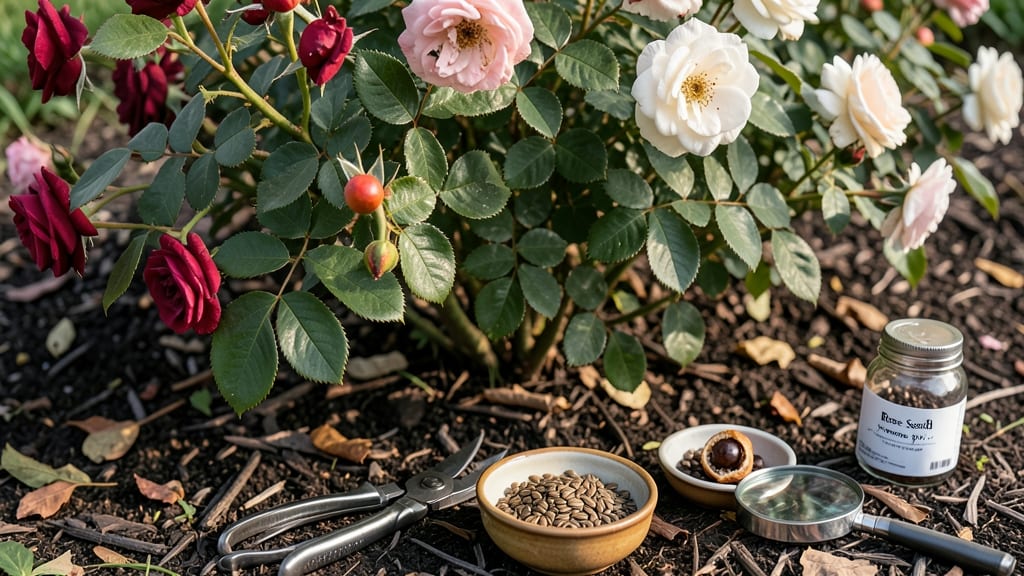
That bright red rose hip hiding in your garden holds tiny seeds with big potential—how to get rose seeds from the flower is simpler than you’d think. 🌱 I've collected seeds from my own roses for years, and the process is simpler than you'd think—though it requires patience and a little know-how to unlock those hidden treasures.
The first step is choosing the right roses—wild species or heirloom varieties produce the most viable seeds. After harvesting the dried hips, you'll carefully crack them open to extract the seeds, then dry them thoroughly before cold stratification mimics winter's natural process.
This isn't instant gratification; it's a long game where your winter patience pays off with spring surprises.
What you'll end up with are seedlings that might not look like their parent roses (hybrids often revert to wild traits), but the thrill of growing something completely unique from a single seed is unmatched.
The process teaches you about rose genetics while giving you plants perfectly suited to your local climate.
Perfect for gardeners who love experiments and don't mind waiting—these seeds could grow into your garden's next standout performer. Let's get those hips cracked open and see what nature has in store!
📚 In This Guide
- What you need
- Instructions
- Tips and common mistakes
- Wrapping up and next steps
What you need
- ● Mature rose hips: 10–20 fully ripened, deep red/orange hips (from healthy, disease-free roses). Tip: Wait until they’re soft but not mushy!
- ● Sharp scissors or pruning shears: Clean, sterilized (70% isopropyl alcohol wipe) for harvesting.
- ● Paper towels or seed drying tray: Unbleached, absorbent paper to air-dry seeds (avoid plastic).
- ○ Small bowl or container: For rinsing seeds (optional but helpful for cleaning).
- ● Fine-mesh strainer or sieve: To separate seeds from pulp (e.g., 1mm mesh size).
- ● Small paintbrush or tweezers: For gently extracting seeds from dried hips.
- ● Airtight container (e.g., glass jar or envelope): To store seeds in a cool, dry place.
- ● Stratification setup: A zip-top bag with damp sand/peat moss (for cold stratification if germinating later).
- ● Labeling tags: To track seed varieties and harvest dates.
- ● Magnifying glass: For inspecting seed viability (look for plump, intact seeds).
- ● Hydrogen peroxide (3%): For a quick seed disinfectant rinse (1–2 minutes).
Step-by-step instructions for harvesting and processing rose seeds
Here's how I collect, dry, and prepare rose seeds—no fancy tools, just patience and attention to detail.
🌿 Step 1: Identify and Collect Ripe Rose Hips
Wait until rose hips turn a deep red or orange color and feel slightly soft when gently squeezed—this signals they're ready. I pick them in late fall or early winter before the first frost, when the pods are fully mature but still intact. Use clean, sharp pruning shears to snip the hips from the stem, leaving a small portion of the stem attached helps prevent moisture loss.
Place the hips in a single layer on a paper towel or mesh screen to dry. Avoid stacking them—this creates humidity that encourages mold. Keep them in a dry, shaded spot where airflow circulates freely. You'll know they're ready when the pods turn papery and open slightly on their own.
🪴 Step 2: Extract Seeds from Dried Rose Pods
Once the pods are completely dry, gently squeeze each one between your fingers until it splits open. You'll see tiny, wrinkled seeds inside—these are your rose seeds. I place the pods in a small bowl and tap them lightly with a spoon to release any stubborn seeds. Be patient; some seeds cling tightly to the pod walls.
Empty the contents onto a clean white plate or tray. Use a fine-toothed comb or soft paintbrush to separate seeds from the chaff and tiny seed husks. Discard any seeds that look shriveled or discolored—these won't sprout. Store the viable seeds in a small envelope or airtight container until you're ready to plant.
⏰ Step 3: Stratify Seeds for Better Germination
Rose seeds need a cold period to break dormancy—a process called stratification. Mix the seeds with slightly damp sand or vermiculite in a sealed container. I use a small plastic bag with a zipper, placing the seed-sand mix inside and leaving it slightly open for airflow. Store the container in your refrigerator's crisper drawer for 8-12 weeks.
Check the mix every few weeks to ensure it stays moist but not soggy. After the stratification period, remove the seeds and plant them in a well-draining seed-starting mix. Keep the soil consistently moist and place the container in a warm, bright spot. Germination can take 4-8 weeks, so don't lose patience—some seeds may surprise you by sprouting sooner.
🌱 Step 4: Plant Stratified Seeds for Sprouting
Fill small pots or seed trays with the seed-starting mix, pressing it down lightly to create a firm surface. Plant the stratified seeds about ¼ inch deep, spacing them 1 inch apart to avoid overcrowding. Water gently with a spray bottle until the soil is evenly moist but not waterlogged.
Cover the pots with clear plastic wrap or a humidity dome to retain moisture and warmth. Place them in a location with indirect light, like a sunny windowsill or under a grow light. Once the seedlings emerge and develop their first true leaves, remove the cover and gradually introduce them to more light. Thin the seedlings to the strongest one per pot to give them room to grow.
Tips & tricks for perfect rose seed harvesting
Patience and precision make all the difference when harvesting rose seeds—here's how to avoid common pitfalls and get the best germination rates.
Timing is Everything: Harvest rose hips when they're fully mature but still intact—this means waiting until late fall or early winter before the first frost. I've learned the hard way that picking too early results in underdeveloped seeds, while waiting too long can cause the pods to split open naturally. The ideal time is when they turn deep red or orange and feel slightly soft when gently squeezed. This window is usually just before winter sets in.
Drying Strategy: Spread rose hips in a single layer on a paper towel or mesh screen to dry. I can't stress enough how important this step is—stacking creates humidity that encourages mold. Place them in a dry, shaded spot with good airflow. You'll know they're ready when the pods turn papery and open slightly on their own. This process typically takes about 2-3 weeks, depending on your climate.
Seed Extraction Technique: When extracting seeds, be gentle but thorough. I place the dried pods in a small bowl and tap them lightly with a spoon to release stubborn seeds. For the final cleanup, a fine-toothed comb or soft paintbrush works wonders for separating seeds from chaff. Discard any seeds that look shriveled or discolored—they won't sprout. This meticulous process ensures you only plant viable seeds.
Stratification Insight: The 8-12 week cold stratification period is crucial for breaking seed dormancy. I use a simple plastic bag with slightly damp sand or vermiculite, leaving it slightly open for airflow. Store it in your refrigerator's crisper drawer—this mimics natural winter conditions. Checking every few weeks ensures the mix stays moist but not soggy, which is key to successful germination.
Pro Tips for Get Rose Seeds From Flower
- Patience and precision make all the difference when harvesting rose seeds—here's how to avoid common pitfalls and get the best germination rates.
- Timing is Everything: Harvest rose hips when they're fully mature but still intact—this means waiting until late fall or early winter before the first frost.
- Drying Strategy: Spread rose hips in a single layer on a paper towel or mesh screen to dry.
Frequently asked questions
Got questions about harvesting rose seeds? You’re not alone! Here are some of the most common queries—and their straightforward answers—to help you succeed.
Can I get seeds from any rose flower?
Not all roses produce viable seeds. Hybrid teas, floribundas, and grandifloras often have sterile seeds, while old garden roses, climbers, and shrub roses (like Rosa rugosa) are your best bets. Check the rose’s classification—if it’s labeled "seedless" or "hybrid," you’ll likely need to buy seeds instead.
How long does it take for rose hips to dry and release seeds?
Patience is key! Rose hips typically take 4–8 weeks to fully dry on the plant or indoors. Once they turn brown and papery, gently squeeze them—they’ll pop open to reveal seeds. If they’re still hard, let them dry longer or speed things up with a warm, dry spot (like a sunny windowsill).
What’s the best way to store rose seeds until planting?
Store seeds in a cool, dry place (like a paper envelope or jar with silica gel) for up to 6 months. For longer storage, refrigerate them in a sealed bag with a damp paper towel to simulate winter stratification. Pro tip: Label your seeds with the rose variety and date!
Why aren’t my rose seeds germinating?
Seeds might fail to sprout due to poor stratification (they need cold to break dormancy), old seeds (viability drops after 1 year), or rot from overwatering. Try cold-stratifying seeds in the fridge for 4–6 weeks before planting, or soak them in water for 24 hours to soften the seed coat.
Can I grow roses from seeds bought from a store?
Yes! Store-bought rose seeds are often pre-stratified or treated for faster germination. Follow the package instructions for planting depth and timing. Just know that seed-grown roses may not match the parent plant—they might have different colors, sizes, or fragrances due to genetic variation.
What if my rose hips mold or get bugs?
Remove any squishy, discolored, or bug-infested hips immediately—they can spread rot or pests to healthy seeds. Store seeds in a mesh bag or breathable container to prevent mold. If bugs are an issue, freeze the hips for 48 hours to kill pests before processing.
Wrapping up and next steps
Growing roses from seeds is a rewarding journey that connects you to nature’s creativity! With patience and the right techniques—like harvesting dry rose hips, extracting seeds, and nurturing them—you can cultivate unique, thriving plants.
Whether you’re a gardening novice or a seasoned green thumb, every seed holds the potential for beauty.
Ready to take the next step? Start small—try propagating a few seeds this season and observe their growth. Who knows? You might discover a rare rose variety right in your own garden! 🌱✨