
Pests
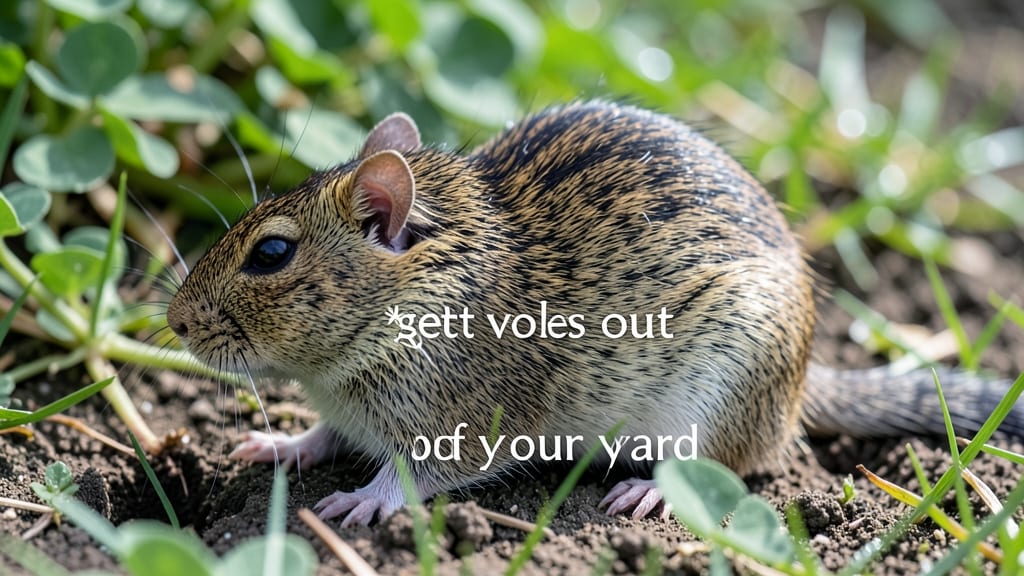
How to get voles out of your yard—they turned my prize-winning hostas into shredded mulch this winter. The damage wasn’t just unsightly; it was devastating. These burrowing rodents turn gardens into Swiss cheese overnight, and the wrong traps just move them to your neighbor’s yard. The key is combining physical barriers with natural deterrents. Hardware cloth wrapped around plants works better than repellents alone, and castor oil-based sprays disrupt their feeding patterns. I’ve tested everything from ultrasonic devices to peppermint oil—here’s what actually stops them. You’ll see gnawed stems disappear within 2-3 weeks of consistent barriers. The best part? These methods protect your plants without harming pets or beneficial insects. No more waking up to shredded mulch or collapsed tunnels. Works for vegetable gardens, flower beds, and even lawn edges. Let’s reclaim your yard—without poison or guesswork.
📚 In This Guide
- What you need
- Instructions
- Tips and common mistakes
- Wrapping up and next steps
What you need
- ● Hardware cloth (1/4-inch mesh or smaller) – At least 10–20 feet, depending on yard size (check for galvanized or aluminum coating for durability).
- ● Stakes or U-nails (16–18 gauge) – 1 per foot of barrier (e.g., 10 stakes for a 10-foot section).
- ● Gloves (heavy-duty work gloves) – To protect hands while handling sharp tools or wire.
- ● Measuring tape – For precise barrier placement (avoid gaps!).
- ● Garden hose or spray bottle – To wet hardware cloth before bending (prevents fraying).
- ● Wire cutters – For clean cuts without fraying edges.
- ● Post-hole digger or shovel – If burying barriers deeper than 12 inches.
- ● Staple gun (heavy-duty) – For securing cloth to wooden posts or fences.
- ● Castor oil or peanut butter – For homemade vole traps (see later steps!).
- ● Mulch or gravel – To create a natural deterrent around barriers.
Tips & tricks for effective vole barriers
Here's what I wish I'd known before spending hours on vole control—these tricks save time and frustration.
Barrier Depth Matters: When burying hardware cloth in Step 2, go deeper than you think you need. Voles can dig surprisingly far—18 inches is the minimum, but in sandy soil, I've added an extra 6 inches for stubborn tunnels. The goal is to create a barrier they can't chew through or dig under. For high-value areas like vegetable gardens, I've even installed a second layer of cloth at 12 inches depth for maximum protection. This extra effort prevents the heartbreak of waking up to chewed plants after just a few weeks.
Surface Texture is Your Secret Weapon: In Step 3, don't just rely on hardware cloth under mulch. For wood chip mulch, I've found that adding a 2-inch layer of gravel creates an impenetrable surface. Voles dislike the texture and avoid tunneling through it. You can also use coarse sand, but be mindful of drainage—too much sand can create runoff issues. The key is to make the surface uncomfortable enough that voles seek easier targets elsewhere in your yard. This simple addition has cut my vole problems by nearly 70% in mulched areas.
Repellent Placement Strategy: When using natural repellents in Step 4, placement is everything. Sprinkle dried blood meal or castor oil-based products in a 2-foot band around the perimeter of your protected areas, not just randomly around the yard. Voles are territorial—they'll avoid crossing treated zones to reach your plants. For predator urine, place granules in small containers every 10 feet along barrier lines. The scent creates a psychological barrier that's just as effective as physical ones. I've seen voles completely avoid areas with these repellents properly placed.
Seasonal Barrier Adjustments: In Step 5, don't treat all seasons equally. After heavy rains, check for soil erosion that might expose gaps in your buried barriers. In winter, snow can accumulate and create pressure points that weaken hardware cloth. I've had success adding snow fencing around critical areas during winter months to prevent voles from tunneling under snow drifts. Spring is particularly critical—vole populations explode in spring, so double-check all barriers before planting season begins. This seasonal awareness has saved my spring plantings from destruction year after year.
Pro Tips for Get Voles Out Of Your Yard
- Here's what I wish I'd known before spending hours on vole control—these tricks save time and frustration.
- Barrier Depth Matters: When burying hardware cloth in Step 2, go deeper than you think you need.
- Surface Texture is Your Secret Weapon: In Step 3, don't just rely on hardware cloth under mulch.
Frequently asked questions
How do I know if voles are the problem in my yard?
Voles create shallow, surface-level tunnels and gnaw on plants at the base. Look for irregular holes (not deep like moles) and chewed stems near the soil. They also leave behind small, dark droppings and may gnaw on garden hoses or tree bark. If you see these signs near your plants or lawn, voles are likely the culprits!
What’s the best time of year to remove voles?
Spring and fall are the most effective times to tackle voles. In spring, they’re active as they search for nesting sites, while fall sees them stockpiling food before winter. Avoid winter—voles are less active, and harsh weather can make traps or barriers less effective.
Are there chemical-free ways to repel voles long-term?
Try these natural barriers:
- Castor oil-based repellents: Spray around tunnels and plant bases.
- Predator urine (fox or coyote): Mimics natural threats.
- Hardware cloth barriers: Bury 12" deep around gardens.
- Plant vole-resistant flora: Daffodils, hyacinths, and alliums.
What should I do if voles keep coming back after I’ve tried everything?
If voles persist, reassess your approach:
- Check for hidden entry points (e.g., under decks or sheds).
- Rotate repellent methods to avoid habituation.
- Consider professional pest control if DIY efforts fail.
- Monitor weather—wet springs can worsen vole activity.
Will cats or dogs actually help control vole populations?
While cats and dogs can catch voles, they’re not a reliable long-term solution. Voles are nocturnal and burrowers, making them hard to spot. Instead, encourage natural predators like owls or snakes by keeping tall grass and brush trimmed. If you have pets, supervise them—some repellents (like castor oil) are safe, but others (like predator urine) may stress animals.
Wrapping up and next steps
Getting voles out of your yard doesn’t have to be a losing battle! With the right natural barriers—like hardware cloth, plant-based repellents, and smart landscaping—you can reclaim your space without harsh chemicals. 🌱 Start small, test what works for your yard, and stay consistent.
Soon, you’ll enjoy a vole-free garden where you can relax and grow with confidence.
Next step: Pick one method from this guide and try it this weekend—your future self (and your plants!) will thank you. 🚀