
Pests
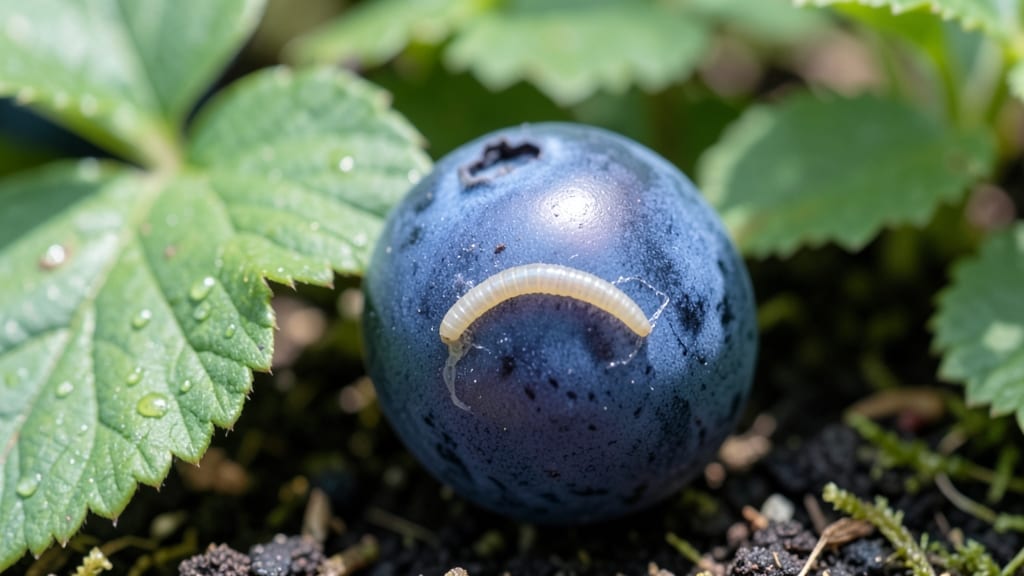
How to get worms out of blueberries before they ruin your harvest? 🌿 Those squirming worms are the culprits—and vinegar soak is the game-changer you need to save your crop. I’ve battled berry borers and fruitworms for years, and this method removes them without sacrificing flavor or harming your plants.
The key is a simple 10-minute soak in diluted white vinegar (1 part vinegar to 3 parts water) that drowns worms while keeping your berries crisp. You’ll spot the damage first—tiny holes, chewed fruit, or larvae hiding inside—and this solution works on both fresh and nearly ripe berries.
After soaking, rinse and dry the berries under shade. They’ll stay sweeter and firmer than store-bought, with no chemical aftertaste. The best part? This trick works for raspberries and blackberries too, making it a must-know for any berry lover.
Prevention starts now: pick berries early, remove damaged fruit daily, and encourage birds (they love worms!). Your next harvest will be worm-free and bursting with flavor—no more sad, squishy surprises.
The hidden invaders behind worms
Blueberries may seem like a sweet, harmless treat, but those tiny critters lurking inside can turn your snack into a less-than-appetizing surprise. Understanding why worms end up in your berries is the first step to keeping your harvest clean and delicious.
Let’s break down the science—and the sneaky habits—of these uninvited guests.
---
Fruit flies (Drosophila species) are the top culprits behind blueberry worms. These tiny, tan or black flies lay their eggs inside the berries while they’re still growing on the bush. Here’s how it works:
- Lure & Lay: Female fruit flies are drawn to ripe, soft fruit—blueberries emit volatile organic compounds (VOCs) that signal ripeness.
Once they find a berry, they insert their eggs under the skin using a sharp ovipositor. - Speed Demons: Eggs hatch in 24–48 hours into maggots (larvae), which then burrow deeper into the berry, feeding on the flesh.
By the time you pick the fruit, the damage is already done. - Seasonal Surge: Fruit flies are most active during warm, humid weather (70–90°F), which aligns with blueberry harvest season in many regions.
Why it’s tricky: You won’t see the flies until the maggots are already feasting inside. Prevention starts with scouting your bushes for adult flies or tiny entry holes in berries.
---
Worms don’t just appear out of nowhere—they’re opportunistic feeders that target berries already compromised. Here’s what makes your blueberries a magnet:
- Soft Spots = Easy Entry: Bruised, cracked, or overripe berries have broken skin, making it easier for fruit flies to deposit eggs.
Even a small nick from birds or hail can be enough. - Sugar Signals: As berries ripen, their sugar content increases, releasing fermentation scents (like ethanol and acetic acid) that attract flies.
Think of it as a dinner bell for pests. - Ground Contact: Berries touching the soil or damp leaves are more susceptible because moisture softens the skin and provides a breeding ground for fungal growth—another fly attractant.
Pro tip: 🔍 Harvest early (before full ripeness) and pick up fallen berries daily to starve out potential pests.
---
A neglected blueberry patch is like an all-you-can-eat buffet for fruit flies. Here’s how sloppy maintenance invites trouble:
- Debris = Fly Hotels: Leaves, old fruit, and plant waste create shady, humid microclimates—perfect for fruit flies to lay eggs and for maggots to pupate.
Even a single rotting berry can spawn hundreds of flies. - Water Sources: Stagnant water (like in birdbaths or irrigation puddles) provides breeding sites for flies.
Females need moisture to lay eggs, and standing water gives their larvae a place to develop. - Weeds & Wild Fruit: Nearby blackberry bushes, raspberries, or even overgrown grass can harbor alternative hosts for fruit flies, increasing their population near your blueberries.
Actionable fix: 🧹 Clean up regularly—remove fallen fruit, trim overgrown vegetation, and eliminate standing water within 100 feet of your bushes.
--- Not all blueberry patches are worm magnets—environmental factors play a huge role in fly activity:
- Warm, Humid Climates: Fruit flies thrive in temperatures above 70°F with high humidity.
Regions like the Southeastern U.S. or California’s Central Valley see heavier infestations. - Wind Patterns: Flies can travel up to 5 miles on breezes, so if your neighbors have infested fruit, your bushes are at risk too. - Organic Matter in Soil: Rich, nitrogen-heavy soil (from compost or fertilizer) can boost fruit fly populations by supporting their larval development.
Regional hack: 🌡️ If you’re in a high-risk zone, time your harvest for cooler mornings when flies are less active (they’re sluggish below 60°F).
--- Birds, squirrels, and even deer can accidentally spread fruit fly eggs—or worse, damage berries that then attract flies. Here’s how:
- Peck Marks = Entry Points: Birds probing for berries can pierce the skin, creating wounds where flies lay eggs.
Robins and cedar waxwings are notorious for this. - Fecal Contamination: Animal droppings near bushes can fertilize flies and introduce bacteria that soften berries, making them easier targets. - Seed Dispersal: Some flies hitch rides on birds or wind, spreading eggs to new locations.
Solution: 🦉 Use netting over bushes during peak bird activity (dawn/dusk) to protect berries from both pests and predators.
--- Worms in blueberries aren’t random—they’re the result of flies exploiting ripe, damaged, or neglected fruit. By understanding their behavior, triggers, and weak spots, you can outsmart them before they turn your harvest into a maggot buffet. Next up: how to evict them for good with science-backed tricks.
Quick Fixes for Worm-Free Blueberries
Discovering worms in your blueberries can be a bummer, but don’t toss them just yet! With the right approach, you can safely remove those pesky critters while keeping your berries delicious and fresh.
Below, we’ve mapped out practical solutions based on the most common causes—whether it’s blueberry maggot infestations, larvae from organic sources, or storage-related issues. Plus, we’ll share easy prevention tips to keep your berries worm-free in the future.
If the worms are just on the outside (like blueberry maggots or fruit flies), a quick rinse and soak can save the day.
#### 🍳 Step 1: Rinse GentlyRinse the blueberries under cool, running water to dislodge surface worms. Use your fingers or a colander to agitate them lightly—this helps loosen any clinging pests.
#### 👨🍳 Step 2: Vinegar Soak (Safe & Effective)Fill a large bowl with 1 part white vinegar to 3 parts water. Add the blueberries and let them soak for 5–10 minutes. The acidity of the vinegar helps kill surface worms and eggs without harming the berries.
Pro Tip: 💡 For extra safety, add 1 teaspoon of salt to the soak—it enhances the cleaning power while preserving flavor.
#### 🥘 Step 3: Drain & Dry ThoroughlyDrain the blueberries in a fine-mesh strainer and rinse them one more time with fresh water to remove any vinegar residue. Pat them dry with a clean towel or paper towels to prevent mold.
#### ⏰ Step 4: Inspect & Store ProperlyPick through the berries one last time to remove any remaining worms. Store them in an airtight container in the fridge (they’ll last 5–7 days) or freeze them for longer storage.
If the worms are inside the berries (often from organic farms or homegrown crops), the vinegar soak won’t work—you’ll need a different approach.
#### 🍓 Step 1: Sort & Discard Infested BerriesGently squeeze each blueberry to check for soft spots or movement. If a berry feels mushy or you see worms inside, discard it immediately—they won’t be salvageable.
#### 🌡️ Step 2: Freeze for 24 Hours (Kills Larvae)Place the uninfested blueberries in a sealed container and freeze them for 24 hours. Freezing temperatures kill any remaining larvae or eggs without affecting taste or texture.
#### 🎯 Step 3: Thaw & RinseOnce thawed, rinse the blueberries under cool water to remove any residue. They’re now safe to eat or use in recipes!
#### ✨ Prevention Tip:🔥 To avoid future infestations, buy from reputable farms that use integrated pest management (IPM). If growing your own, harvest berries early and store them in the fridge to slow pest activity.
If your blueberries have been sitting too long and developed mold or stored pests, here’s how to revive them.
#### 🧼 Step 1: Bleach Water Soak (For Heavy Contamination)Mix 1 tablespoon of unscented bleach with 1 gallon of water. Soak the blueberries for 1–2 minutes, then rinse thoroughly with fresh water. This kills mold spores and bacteria.
Warning: 🌡️ Only use this method if the berries are firm—over-soaking can make them mushy.
#### 🍽️ Step 2: Use in Cooking (Best for Soft Berries)If the blueberries are past their prime but still edible, cook them into jams, pies, or smoothies. The heat will neutralize any remaining pests or bacteria.
#### 🛡️ Prevention Tip:✨ Store blueberries in paper towels inside a sealed container to absorb excess moisture and prevent mold. Keep them in the coldest part of your fridge (not the door) for maximum freshness.
Want to keep your blueberries worm-free for good? Try these proactive steps:
- 🌱 Buy organic or locally grown when possible—these often have fewer pesticide residues and are harvested at peak ripeness.
- 🕒 Store blueberries in the fridge immediately after purchase to slow pest activity.
- 🍯 Preserve them—freezing, making jam, or drying blueberries extends their shelf life and kills potential pests.
- 🐝 Avoid leaving berries out at room temperature—warmth speeds up spoilage and attracts fruit flies.
Frequently asked questions
Why do blueberries get worms in the first place?
Fruit flies are the main culprits—they lay eggs inside berries while they're still on the bush. The eggs hatch into maggots in just 24-48 hours, and by the time you pick the fruit, the damage is already done. Warm, humid weather (70-90°F) makes them most active during harvest season.
Can I eat blueberries with worms inside?
Only if you're comfortable with the idea! While the worms themselves aren't harmful, they can carry bacteria. For peace of mind, discard any berries with visible worms inside. The vinegar soak method only works for surface worms—internal ones require discarding the affected fruit.
Will vinegar soak remove all worms from blueberries?
The vinegar solution kills surface worms and eggs, but it won't penetrate inside berries where maggots may already be established. For complete safety, combine the soak with a thorough inspection—squeeze each berry gently to check for soft spots or movement before eating.
How do I prevent worms in blueberries long-term?
Start with early harvesting (before full ripeness) and daily cleanup—remove fallen fruit and debris from bushes. Use fine netting to protect berries from birds that can damage fruit, and store purchased berries in the fridge immediately to slow pest activity.
Can I use this method on other berries too?
The vinegar soak works equally well for raspberries, blackberries, and strawberries. Just adjust the soak time to 10-15 minutes for larger berries. The same prevention tips apply—keep all berries refrigerated and harvest early to minimize pest exposure.