
Propagation
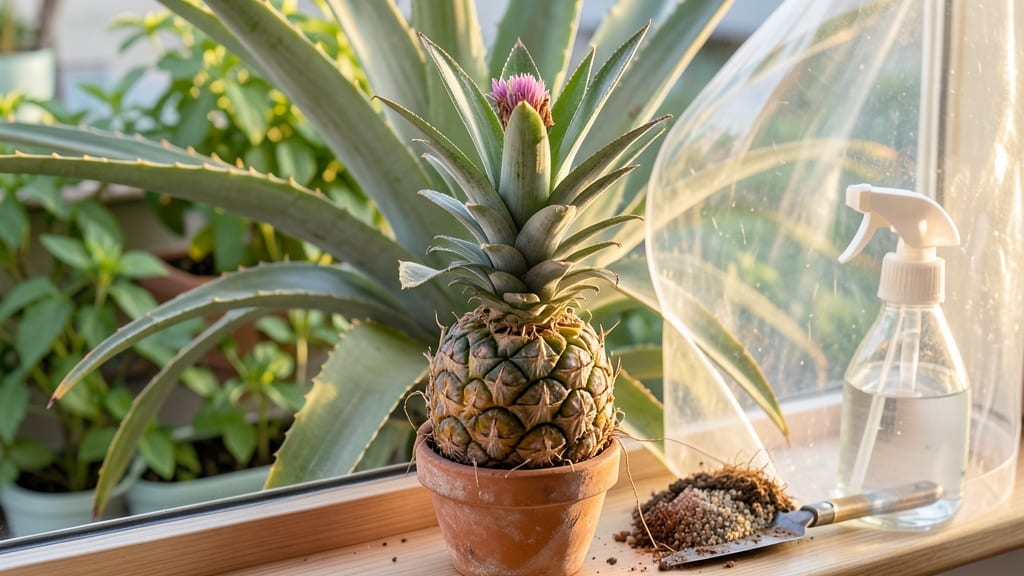
That pineapple crown from the store-bought pineapple sitting on your counter could grow into a tropical plant—maybe even fruit—if you act now. 🌱 I’ve turned grocery store pineapples into lush, spiky houseplants that thrive on my windowsill, and the process is simpler than you’d think.
The key is patience and a few smart steps to avoid rot or pests.
Start by removing the crown carefully—leave about an inch of stem attached—and let it dry for a day or two. This prevents rot when you’re ready to root it in water or soil. I’ve tried both methods, and while water rooting is faster, soil gives the plant stability right away.
Either way, keep it in bright, indirect light and mist it occasionally to mimic its humid tropical home.
By month 12, your plant might surprise you with a tiny pineapple—though fruiting takes longer than the leaves and stems. Even if it never fruits, the dramatic, sword-like foliage makes a stunning conversation piece.
The real magic? Watching roots sprout and new leaves unfurl, knowing you grew it from something you’d normally toss.
This project works in apartments, sunrooms, or greenhouses—just avoid drafts and overwatering. Mistakes happen, but even a leggy plant can recover with proper care. Let’s get that crown growing!
📚 In This Guide
- What you need
- Instructions
- Tips and common mistakes
- Wrapping up and next steps
What you need
- ● 1 ripe pineapple – Choose one with a healthy, firm crown (no mold or browning).
- ● Sharp knife or pruning shears – For cleanly removing the crown.
- ○ Rooting hormone (optional but helpful) – Speeds up root growth (gel or powder form).
- ● Well-draining potting mix – A blend of cactus/succulent soil or a mix of 50% peat moss and 50% perlite.
- ● Small pot (4–6 inches in diameter) – With drainage holes to prevent root rot.
- ● Watering can or spray bottle – For gentle hydration.
- ○ Plastic bag or humidity dome – To create a mini greenhouse effect (optional but recommended).
- ● Bright, indirect sunlight spot – A sunny windowsill or grow light works best.
- ● Fertilizer (balanced, water-soluble) – Diluted to half-strength for young plants.
- ● Grow light (LED or fluorescent) – If natural light is limited (12–14 hours/day).
- ● Peat moss or coconut coir – For extra moisture retention during rooting.
- ● Label or marker – To track planting dates (trust us, it’s easy to forget!).
Step-by-step instructions for growing a pineapple from a store-bought fruit
Here's how I've grown healthy pineapple plants from grocery store fruit—no special tools or green thumb required.
🌱 Step 1: Select and Prepare the Pineapple
Choose a ripe pineapple with a fresh, green leafy crown still attached. The crown should feel firm and plump, not dried out or brown. I like to pick one that's slightly overripe—it's easier to remove the leaves without damaging the base. Rinse the pineapple gently under cool water to remove any residue, then pat it dry with a clean towel.
Grasp the base of the leafy crown firmly and twist it back and forth until it separates from the fruit. You'll feel resistance at first, then a sudden give as the crown pops free. Don't yank—this can tear the base. Once removed, trim any brown or damaged leaves from the bottom of the crown, leaving about 1-2 inches of green stem. This ensures a clean cutting surface for rooting.
💧 Step 2: Root the Crown in Water
Fill a small glass or jar with about 2 inches of room-temperature water. Place the trimmed crown in the water, ensuring only the bottom 1 inch of stem is submerged—never the leaves. The crown should float slightly, with the leaves pointing upward. Change the water every 2-3 days to prevent bacterial growth, and add a pinch of cinnamon powder to the water to help inhibit rot (this is an old gardener's trick that works surprisingly well).
Place the jar in a warm spot with bright, indirect light—a kitchen windowsill with morning sun works perfectly. You'll see tiny white roots emerge from the base within 2-4 weeks. Once the roots reach about 1-2 inches long, your pineapple crown is ready for planting. Don't rush this step—strong roots mean a healthier plant later.
🪴 Step 3: Plant the Rooted Crown
Choose a 6-inch diameter pot with drainage holes and fill it with a well-draining potting mix designed for tropical plants or cacti/succulents. Mix in a handful of perlite or coarse sand to improve drainage—pineapples hate soggy roots. Make a small hole in the center of the soil and gently place the rooted crown into the pot, covering the roots but leaving the base of the leaves exposed.
Press the soil lightly around the crown to secure it, then water gently until moisture seeps from the drainage holes. Place the pot in a location with bright, indirect light for the first week to help it adjust. After that, gradually introduce it to more direct sunlight, aiming for 6-8 hours daily. You'll notice new growth at the base of the crown within 4-6 weeks—this is your plant establishing itself.
☀️ Step 4: Care for Your Pineapple Plant
Water your pineapple plant when the top 1-2 inches of soil feel dry to the touch. Stick your finger into the soil—if it's dry at that depth, it's time to water. Overwatering is the biggest mistake beginners make, so err on the side of underwatering. Feed your plant with a balanced, water-soluble fertilizer diluted to half-strength every 2 months during the growing season (spring and summer).
As your pineapple grows, you'll see long, sword-like leaves emerge. These are normal and indicate healthy growth. Once the plant is established (after about 6 months70-90°F temperatures and can tolerate brief periods of cooler weather, but they won't survive frost. If you notice the leaves turning yellow or brown, it's usually a sign of overwatering or poor drainage.
⏰ Step 5: Encourage Flowering and Fruit Production
Pineapples typically take 18-24 months to produce fruit from a store-bought crown, but with patience and care, you can speed up the process. Once your plant is about 2 years old and has at least 20-30 leaves, it's ready to flower. To encourage flowering, I've found that exposing the plant to ethylene gas works wonders. Place an apple or banana in a sealed plastic bag with the pineapple for 24-48 hours—the ethylene gas released by the fruit triggers flowering.
After flowering, you'll see a long, spiky flower stalk emerge from the center of the plant. This stalk will eventually turn into a pineapple fruit, but it can take 3-6 months to mature. Be patient and keep caring for your plant as before. Once the fruit is ripe, it will smell sweet and the leaves at the base will turn yellow and die back. Harvest the pineapple by twisting it gently until it separates from the plant. Congratulations—you've grown your own tropical harvest!
Tips & tricks for growing pineapples from store-bought fruit
These simple strategies will help you avoid common pitfalls and maximize your tropical harvest's success.
Crown Selection: Look for a pineapple with a crown that feels firm and has vibrant green leaves—this indicates a healthy plant. I've found that slightly overripe pineapples are easier to work with because the crown separates more cleanly. If the crown feels dry or brittle, soak the pineapple in warm water for 10 minutes before attempting to remove it. This helps soften the base and makes the process much smoother.
Rooting Environment: The 2-4 weeks of rooting in water is where many beginners struggle. Place your jar near a warm spot (like above a fridge) to encourage faster root growth. If your kitchen stays below 70°F, consider using a small heating pad set to low under the jar. Just make sure the water stays room temperature—cold water can shock the roots and slow growth. The cinnamon powder is optional but helps prevent bacterial growth, especially in humid conditions.
Planting Preparation: When it's time to plant, don't rush the process. Gently separate any roots that have tangled together and trim them if they're too long—this makes planting easier and prevents damage. I like to pre-moisten the potting mix before planting to help the roots settle in more quickly. After planting, give the soil a light press around the base to secure the crown without compacting too much.
Light Management: The first week after planting is critical for light exposure. If your windowsill doesn't get bright indirect light, supplement with a grow light for 6-8 hours daily. Too much direct sunlight too soon can scorch the leaves. As your plant grows, gradually increase sunlight exposure—this helps harden the plant for outdoor conditions. Watch for leaves that look pale or stretched; this is a sign it needs more light.
Pro Tips for Grow A Pineapple From A Store Bought Pineapple
- These simple strategies will help you avoid common pitfalls and maximize your tropical harvest's success.
- Crown Selection: Look for a pineapple with a crown that feels firm and has vibrant green leaves—this indicates a heal...
- Rooting Environment: The 2-4 weeks of rooting in water is where many beginners struggle. Place your jar near a warm s...
Frequently asked questions
about growing a pineapple from a store-bought fruit—because curiosity deserves answers!How long does it take for a pineapple plant to grow from a top?
A pineapple plant typically takes 12–24 months to produce a fruit after planting the top. The first few months focus on rooting and leaf growth, while fruiting depends on warmth, sunlight, and care. Patience is key—think of it as a slow-burning tropical reward!
Can I grow a pineapple indoors?
Yes, but with limitations! Pineapple plants thrive in bright, sunny spots (like a south-facing window) and need warmth (65°F+). A grow light can help, but they’ll grow faster outdoors in zones 10–12. If indoors, ensure good airflow to prevent mold.
Why is my pineapple top rotting?
Rotting usually means too much moisture or poor drainage. Let the base dry completely between waterings, and avoid overwatering. If you notice soft, dark spots, trim the rot, dust with cinnamon (natural antifungal), and repot in fresh, dry soil.
What if my pineapple top doesn’t root?
Don’t worry—it might just need more time! Ensure the base is dry before planting, and keep it in indirect light for the first few weeks. If roots aren’t forming after 4–6 weeks, check for root rot or low humidity. Try a humidity tray or misting to encourage growth.
Will my homegrown pineapple taste different?
Store-bought pineapples are bred for shelf life and shipping, while homegrown ones often have sweeter, juicier, and more complex flavors. Factors like sunlight, soil, and care directly impact taste—so your tropical harvest could be a game-changer!
Wrapping up and next steps
Growing a pineapple from a store-bought fruit is a rewarding journey that blends patience with a touch of tropical magic! 🌱 With just a few simple steps—like selecting the right crown, nurturing it with care, and waiting for nature to do its work—you’ll soon enjoy the sweet satisfaction of harvesting your own homegrown pineapple. Don’t let the 12-month wait discourage you: every leaf that unfurls and root that strengthens is a step closer to your own edible masterpiece.
Ready to take the next step? Share your progress with fellow plant enthusiasts online or experiment with other tropical plants—like papaya or guava—to expand your green thumb skills! 🌴