
Picking
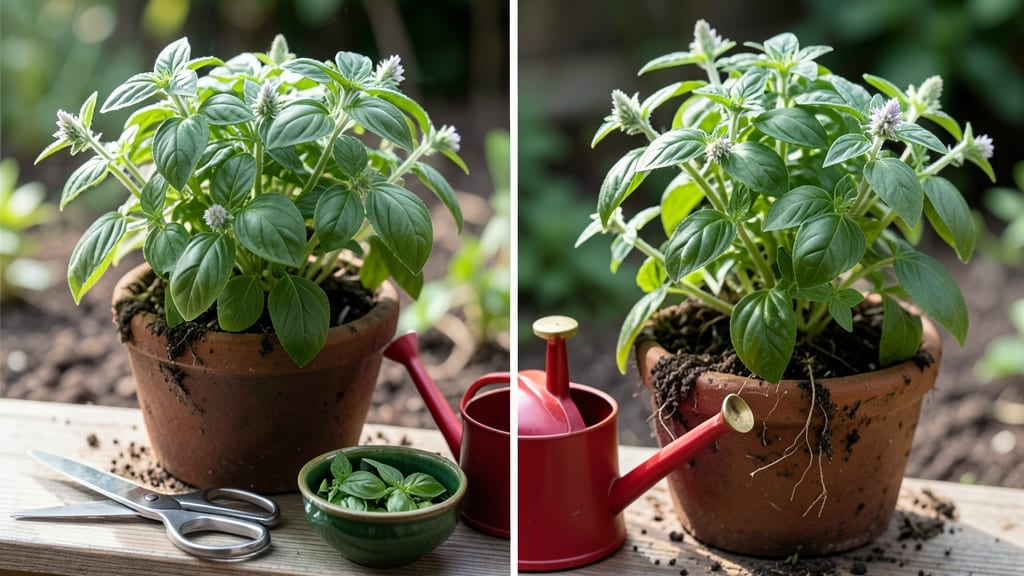
How to grow and harvest basil from seed to harvest is easier than you think—especially when you know the tricks to keep it thriving. 🌱 I’ve grown basil in pots on my balcony and in garden beds, and the secret isn’t complicated: bright light, rich soil, and regular pruning make all the difference between a wimpy plant and a bushy, fragrant powerhouse.
Start with seeds or seedlings in well-draining soil and a container at least 6 inches deep (or directly in the ground if you have warm, sunny space). Basil loves warmth—keep soil consistently moist but never soggy—and place it where it gets 6+ hours of sunlight daily.
Yellowing leaves? Usually a sign of overwatering or poor drainage. Slow growth? It might need more light or fertilizer.
Harvesting is where the magic happens: pinch off the top leaves when the plant is 6-8 inches tall, and keep snipping regularly to encourage bushier growth. With proper care, one plant can yield enough leaves for months of cooking—no need to buy wilted bunches from the store.
The key is consistency: water, prune, and harvest often.
Works in containers, raised beds, or garden plots—just adjust the space based on how much you plan to harvest. Once you master this, you’ll never buy basil again. Here’s how to get started without the guesswork.
📚 In This Guide
- What you need
- Instructions
- Tips and common mistakes
- Wrapping up and next steps
What you need
- ● Basil seeds or seedlings: Choose Genovese, Thai, or Purple basil for best results. If starting from seeds, buy 1 packet (50-100 seeds) for optimal germination.
- ● Well-draining potting mix: A 5-gallon bag of high-quality, organic mix (e.g., Miracle-Gro Potting Soil or FoxFarm Ocean Forest) works best.
- ● Containers or garden plot: Containers: At least 2-3 containers (6+ inches deep) with drainage holes (e.g., fabric grow bags, ceramic pots, or plastic nursery pots).
- ● Garden beds: A sunny spot (6+ hours of light) with loose, fertile soil.
- ● Watering can or spray bottle: A 1-gallon can with a gentle spray nozzle for consistent moisture.
- ○ Fertilizer (optional but recommended): Balanced liquid fertilizer (e.g., 10-10-10 or fish emulsion) or slow-release granules (e.g., Osmocote).
- ● Compost or worm castings (1 cup per plant) for organic enrichment.
- ● Pruning shears or clean scissors: For harvesting and trimming (sterilize with rubbing alcohol).
- ○ Gloves (optional): To protect hands from soil or thorns (e.g., Purple basil).
- ○ Mulch (optional): 1-2 inches of straw or shredded leaves to retain moisture.
- ○ Shade cloth (optional): For hot climates (30-50% shade to prevent bolting).
- ○ Support stakes (optional): If growing tall varieties like Thai basil (use 3-4 inch bamboo stakes).
Step-by-step instructions for growing and harvesting basil
Here’s the foolproof method I’ve used to grow basil that thrives in containers or garden beds.
🌱 Step 1: Choose the Right Location and Prepare the Soil
Basil demands 6-8 hours of direct sunlight daily, so place your container or garden spot in a south-facing area or under a grow light if indoors. I always test the spot for at least 4 hours of sun before planting—this prevents leggy, weak growth later.
For containers, use well-draining potting mix (never garden soil—it compacts and drowns roots). Mix in a slow-release fertilizer or compost to give your basil a nutrient boost from the start. If planting in the ground, amend the soil with 1-2 inches of compost and till it to a depth of 12 inches—this ensures roots can spread freely.
🌿 Step 2: Plant Seeds or Transplants at the Right Depth
If starting from seeds, plant them ¼ inch deep and 1 inch apart in rows spaced 12 inches apart. Basil seeds germinate best in warm soil (70-80°F)—soak seeds overnight in lukewarm water to soften the outer shell and speed up sprouting. You’ll see first true leaves in 7-14 days—this is your signal to thin seedlings to 6 inches apart for proper airflow.
For transplants, dig a hole twice as wide as the root ball and place the plant so the top of the root ball sits level with the soil surface. Press gently to remove air pockets, then water deeply until moisture reaches 6 inches down. This ensures roots establish quickly without shock.
☀️ Step 3: Water Consistently and Monitor Growth
Basil hates soggy soil but also wilts fast when dry. Water when the top inch of soil feels dry to the touch, aiming for 1 inch of water per week. I use a drip irrigation system or water at the base in the morning to prevent fungal diseases. Avoid wetting leaves—this invites mildew and stunts growth.
Watch for new leaves forming in the center—this is your basil’s way of telling you it’s happy. If stems grow leggy or pale, it’s craving more light. Rotate containers quarter-turn weekly so plants grow upright, not toward the sun. You’ll notice compact, bushy growth within 3-4 weeks—this means you’re on the right track.
✂️ Step 4: Harvest Regularly for Continuous Growth
Harvest basil early and often to encourage bushier plants. Pinch off the top set of leaves (just above a leaf pair) when the plant reaches 6 inches tall. This triggers branching, giving you more stems and leaves over time. Always use clean, sharp scissors—tugging leaves damages stems and slows regrowth.
For larger harvests, cut stems just above a leaf node (where leaves meet the stem). You’ll see new shoots emerge within 7-10 days—this is your basil’s way of rewarding consistent care. Avoid harvesting more than ⅓ of the plant at once, or you’ll stress it and reduce future yields.
🪴 Step 5: Maintain and Troubleshoot as Needed
Fertilize every 4-6 weeks with a balanced liquid fertilizer (10-10-10) to keep growth vigorous. If leaves turn yellow, it’s usually overwatering or nutrient deficiency—check soil moisture and adjust. Brown edges mean low humidity or underwatering, while white powdery spots signal powdery mildew (treat with neem oil immediately).
Pest-proof your basil by removing affected leaves and spraying with soapy water (1 tsp mild soap per quart of water) if aphids or spider mites appear. Deadhead spent flowers to redirect energy into leaf production. With these steps, your basil will stay lush, flavorful, and productive all season long.
Tips & tricks for perfect basil cultivation
Between us, growing basil isn't just about planting seeds—it's about creating the ideal environment where this sun-loving herb can truly thrive. Here's what I've learned after years of growing basil that tastes like it came from a gourmet garden.
Light is Non-Negotiable: While the instructions mention 6-8 hours of sunlight, I've found that basil actually performs best with morning sun exposure (6-8 hours) and partial afternoon shade in hot climates. This prevents the leaves from scorching while still giving your plants the energy they need. If growing indoors, position your basil within 12 inches of a south-facing window or use a grow light on a 14-hour cycle—this mimics natural daylight patterns and prevents leggy growth.
Soil Temperature Matters: The instructions mention warm soil (70-80°F), but I've discovered that maintaining soil temperatures above 65°F is crucial for consistent germination. Use a seedling heat mat if starting seeds indoors during cooler seasons, or cover outdoor beds with clear plastic domes until sprouts appear. Cold soil slows germination and can lead to uneven growth—trust me, I've tried both ways!
Harvesting Technique That Changes Everything: When harvesting in Step 4, I always make my cuts at a 45-degree angle just above a leaf node. This creates a larger surface area for new growth to emerge, resulting in more vigorous regrowth within those 7-10 days mentioned in the instructions. Also, harvest in the morning after dew has dried—this ensures your basil stays crisp and retains its vibrant green color longer.
Container Size Secret: While the instructions don't specify container size, I've found that basil thrives in containers with at least 12 inches of depth and 18 inches of diameter for multiple plants. This gives roots room to spread and prevents overcrowding, which leads to those leggy stems we're all trying to avoid. For window boxes, space plants 10 inches apart instead of the 6-inch spacing mentioned for garden beds.
Pro Tips for Grow And Harvest Basil
- Between us, growing basil isn't just about planting seeds—it's about creating the ideal environment where this sun-loving herb can truly thrive.
- Light is Non-Negotiable: While the instructions mention 6-8 hours of sunlight, I've found that basil actually performs best with morning sun exposure (6-8 hours) and partial afternoon shade in hot climates.
- Soil Temperature Matters: The instructions mention warm soil (70-80°F), but I've discovered that maintaining soil temperatures above 65°F is crucial for consistent germination.
Frequently asked questions
Got questions about growing and harvesting basil? You’re not alone—here are some of the most common ones, answered for you!
How long does it take for basil to grow enough to harvest?
Most basil varieties take 6–8 weeks from seed to reach maturity, while young plants from a nursery may be ready in 4–6 weeks. Look for 4–6 true leaves before your first harvest—this ensures the plant has enough energy to keep thriving!
Can I harvest basil from a store-bought plant, or should I start fresh?
Store-bought basil is a great short-term solution (harvest within 1–2 weeks), but it’s often treated with growth inhibitors to slow wilting. For long-term success, start with seeds or a healthy nursery plant—they’re hardier and more productive. If you’re committed, snip leaves from the top and place the plant in water to extend its life!
Why is my basil turning yellow or wilting? How do I fix it?
Yellow leaves usually mean overwatering (let soil dry slightly between waterings) or nutrient deficiency (feed with balanced fertilizer every 4–6 weeks). Wilting can also signal underwatering or heat stress. Move plants to partial shade if temps exceed 90°F (32°C) and ensure pots have drainage holes.
What’s the best way to harvest basil to keep the plant growing?
Always harvest from the top by cutting just above a leaf pair or stem junction (never more than 1/3 of the plant at once). This encourages bushier growth and prevents woody stems. For continuous harvests, pinch off flowers to redirect energy to leaves. Pro tip: Use clean scissors or pruners to avoid damaging the plant!
Can I grow basil indoors without sunlight?
Basil needs 6–8 hours of sunlight daily, but you can supplement with a grow light (12–16 hours/day) if natural light is limited. Place plants near a south-facing window or under a full-spectrum LED bulb. Avoid drafts (like AC vents) and keep humidity moderate—misting leaves helps!
Wrapping up and next steps
Growing and harvesting basil is simpler than you think—and the rewards are delicious! With the right sunlight, soil, and care, you’ll enjoy fresh, fragrant leaves straight from your garden or container. Whether you’re a beginner or a seasoned green thumb, this vibrant herb is a game-changer for your kitchen.
Ready to take the next step? Start small—plant a few seeds or a starter plant today—and watch your basil thrive! Soon, you’ll be harvesting leaves for pesto, salads, or teas with pride. Happy growing! 🌱