
Size
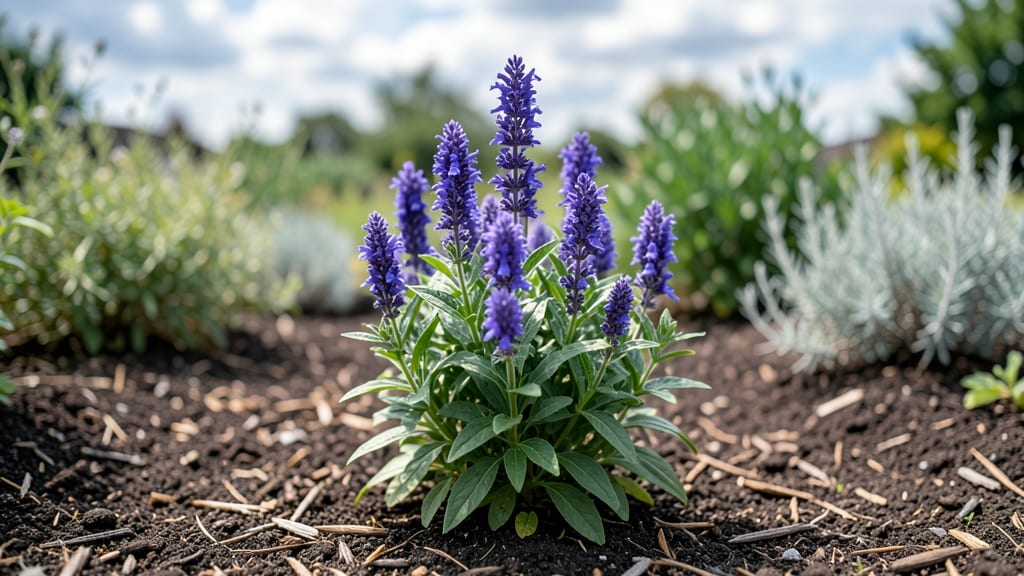
How to grow angelonia—this velvety-bloomed annual will turn your sunniest spots into a nonstop color show. 🌻 I’ve grown these sun-loving plants for three summers now, and they never fail to deliver—once established, they bloom from early summer until frost. The secret isn’t complicated: match their needs to their tropical roots, and they’ll reward you with weeks of vibrant flowers.
Start with well-draining soil and full sun—at least 6-8 hours daily. Angelonia hates soggy roots, so raised beds or containers with drainage holes work best. Seeds germinate best at 70-75°F, so wait until after your last frost or use a seedling heat mat.
Water consistently but avoid wetting the leaves to prevent fungal issues.
Pinch back young plants to encourage bushier growth, and deadhead spent blooms for continuous flowering. Feed every 4-6 weeks with a balanced fertilizer, and watch them thrive. These plants handle heat and humidity beautifully, making them perfect for hot summer gardens.
Whether you’re filling containers, borders, or mixed beds, angelonia’s compact size and long bloom time make it a standout. Just remember: they’re frost-sensitive, so bring pots indoors or cut back plants before winter. Ready to add some effortless color to your garden?
📚 In This Guide
- What you need
- Instructions
- Tips and common mistakes
- Wrapping up and next steps
What you need
- ● Angelonia seeds or seedlings: Choose disease-resistant varieties like Angelonia angustifolia. Start with 10–20 seeds or 3–5 seedlings for a vibrant display.
- ● Well-draining potting mix: A blend of 50% peat moss or coco coir, 30% perlite or vermiculite, and 20% compost (10–15 lbs per container).
- ● Containers or garden beds: For containers: 5–7 inch pots (1–2 plants per pot) or hanging baskets (minimum 12 inches wide).
- ● For in-ground planting: Full sun spots (6+ hours of sunlight daily) with loamy, well-draining soil (pH 6.0–7.0).
- ● Slow-release fertilizer: A 10-10-10 or 14-14-14 NPK blend (1 tbsp per pot or 1 lb per 10 sq ft of garden bed).
- ● Watering can or hose with a gentle nozzle: Angelonia hates soggy roots—aim for 1 inch of water per week (adjust for rain).
- ● Gloves and pruning shears: For handling plants and trimming spent blooms (sterilize shears with rubbing alcohol!).
- ● Trowel or transplanting spade: For digging holes or repotting seedlings.
- ○ Mulch (optional but recommended): 1–2 inches of shredded bark or straw to retain moisture and suppress weeds.
- ○ Plant supports (optional): Stakes or cages for taller varieties (e.g., ‘Blue Angel’ or ‘Angel Blush’).
- ● Climate: Angelonia thrives in USDA Zones 9–11 as a perennial but is grown as an annual in cooler zones. Ideal temps: 70–85°F.
- ● Sunlight: Full sun (6+ hours/day) is non-negotiable—partial shade leads to leggy, sparse blooms.
- ● Spacing: Containers: 6–12 inches apart.
- ● Garden beds: 12–18 inches apart.
- ● Patience: Seeds take 7–14 days to germinate; seedlings bloom in 8–10 weeks.
Step-by-step instructions for growing angelonia
Angelonia thrives with the right balance of sun, soil, and consistent care—here's how to coax those vibrant blooms all season long.
🌱 Step 1: Select the Perfect Planting Location
Angelonia demands full sun—at least 6-8 hours daily—to produce its signature spike-like flowers. I always scout the sunniest spot in my garden first, checking for at least 6 hours of direct sunlight before committing. If your yard has partial shade, choose the brightest corner possible; these plants won't tolerate deep shade.
Here's the thing—angelonia's color intensity fades without enough light. You'll notice duller blooms and leggy stems if it's not getting sufficient sun. Test your spot by observing how quickly a nearby plant dries out; if it's bone-dry by mid-afternoon, it's perfect. Amend the soil with compost to improve drainage, since angelonia hates soggy roots.
💧 Step 2: Plant with Proper Spacing and Watering
Space plants 12-18 inches apart to allow airflow and prevent fungal diseases. I dig holes just slightly larger than the root ball and place each plant so the top of the root ball sits 1 inch below soil level—this ensures stability. Fill gaps with well-draining potting mix or native soil mixed with 10% perlite.
Water deeply right after planting to settle the soil around roots, then maintain 1 inch of water weekly. Let the top 1-2 inches of soil dry between waterings—overwatering causes root rot, which angelonia is particularly susceptible to. You'll know you've got the right balance when leaves stay vibrant green without wilting.
☀️ Step 3: Feed and Prune for Continuous Blooms
Start fertilizing 4-6 weeks after planting with a balanced liquid fertilizer (10-10-10), applying every 2-3 weeks during the growing season. I use half-strength fertilizer to avoid burning tender roots. Angelonia responds beautifully to regular feeding—you'll see new flower spikes forming within weeks of consistent care.
Deadhead spent blooms by pinching off the faded flower spikes with your fingers or clean pruners. This encourages more blooms and prevents the plant from putting energy into seed production. I prune lightly after each flush of flowers, cutting back to just above a set of leaves. Never remove more than 1/3 of the plant at once—this keeps it compact and flowering vigorously.
✂️ Step 4: Protect and Maintain Through the Season
Angelonia thrives in 65-80°F temperatures but may struggle in extreme heat or cold. If your summers hit 90°F, provide afternoon shade to prevent leaf scorch. You'll notice leaves curling or turning yellow when it's too hot—this is your cue to move plants to partial shade temporarily.
Watch for pests like aphids or spider mites, which love angelonia's tender new growth. I spray plants with neem oil at the first sign of infestation, repeating every 5-7 days until pests disappear. Mulch around the base with 2 inches of organic mulch to retain moisture and suppress weeds—just keep it 2 inches away from stems to prevent rot.
🌿 Step 5: Extend the Season with Proper Care
Angelonia is an annual, but you can prolong its blooms by keeping it healthy. As fall approaches, reduce watering gradually and stop fertilizing 6-8 weeks before your first frost. You'll see flowers slow down naturally as days shorten—this is normal and not a sign of failure.
If you're in a mild climate, you might get a second flush of blooms in early fall. I always save seeds from my best-performing plants by letting a few flowers go to seed, then harvesting and drying them for next year. Store seeds in a cool, dry place until spring—angelonia self-seeds easily in warm climates, creating natural drifts of color.
Tips & tricks for growing vibrant angelonia
These game-changing insights will help you cultivate angelonia blooms that stay showstopping all season—without the guesswork!
Sunlight Strategy: While angelonia needs that full sun (6-8 hours daily), morning sun is even better than afternoon. I’ve noticed plants get slightly more heat-stressed in intense afternoon rays, especially in hot climates. If you’re in Zone 9+, provide afternoon shade during peak summer months to prevent leaf scorch while maintaining those bright blooms.
Soil Science: The 12-inch soil depth prep is crucial, but don’t overlook the texture test. Press your finger into the loosened soil—it should crumble easily when dry but hold moisture when damp. If it feels like packed clay, mix in more perlite (up to 20% of the soil volume). This prevents the root rot that can silently kill angelonia while making it seem healthy above ground.
Timing Secret: Those 8-10 weeks before last frost for indoor starts might feel long, but trust the process! I’ve found that seedlings started at exactly 8 weeks hit their 4-6 inch pinch-back stage perfectly timed for transplanting. Mark your calendar now—angelonia grows surprisingly fast once temperatures stabilize above 55°F nightly.
Pruning Payoff: The weekly deadheading might seem tedious, but here’s the secret: use the "snip and sip" method. As you remove spent blooms, take a small sip of water from your garden hose to clean your pruners between cuts. This prevents spreading fungal spores that can cause brown spots on new growth. Your plants will reward you with continuous blooms from June until frost!
Pro Tips for Grow Angelonia
- These game-changing insights will help you cultivate angelonia blooms that stay showstopping all season—without the g...
- Sunlight Strategy: While angelonia needs that full sun (6-8 hours daily), morning sun is even better than afternoon. ...
- Soil Science: The 12-inch soil depth prep is crucial, but don’t overlook the texture test. Press your finger into the...
Frequently asked questions
Got questions about growing angelonia? You’re not alone! Here are answers to the most common queries to help you cultivate stunning, long-blooming plants with ease.
Can angelonia grow in containers or just in the ground?
Angelonia thrives in both! Use well-draining pots (at least 12 inches deep) for balconies or patios. Just ensure they get 6+ hours of sunlight and water consistently. Containers also make it easier to move plants indoors before frost.
How long does it take for angelonia to flower after planting?
With proper care, angelonia typically blooms 6–8 weeks after transplanting (or 8–10 weeks from seed). For faster results, opt for nursery starts—just pinch back leggy stems to encourage bushier growth and more flowers!
What pests or diseases should I watch for with angelonia?
Keep an eye out for aphids, spider mites, and whiteflies (spray with neem oil if needed). Overwatering can lead to root rot or fungal issues like powdery mildew. Ensure good airflow and avoid wetting foliage to stay ahead of problems.
Can I grow angelonia in hot, humid climates?
Angelonia loves heat and humidity—it’s native to tropical regions. Just ensure it gets bright, indirect light in extreme heat (afternoon shade helps in scorching zones). Mulch around the base to retain moisture without soggy soil.
What’s the best companion plant for angelonia?
Pair angelonia with salvias, verbena, or marigolds for a vibrant, low-maintenance bed. Avoid planting near heavy feeders like tomatoes, which compete for nutrients. Its upright habit also makes it a great back-of-border plant!
Wrapping up and next steps
Growing angelonia is a rewarding journey that brings vibrant, long-lasting blooms to your garden with minimal fuss! 🌸 With the right sunlight, well-draining soil, and a little TLC, you’ll enjoy bursts of color from spring until frost.
Whether you’re a seasoned gardener or just starting, these sun-loving annuals are perfect for adding effortless charm to containers, borders, or cottage gardens.
Ready to transform your outdoor space? Grab your seeds or seedlings, follow the steps above, and watch your angelonia thrive! For extra inspiration, explore companion planting ideas or check out our guide on extending the bloom season—happy gardening! 🌿