
Propagation
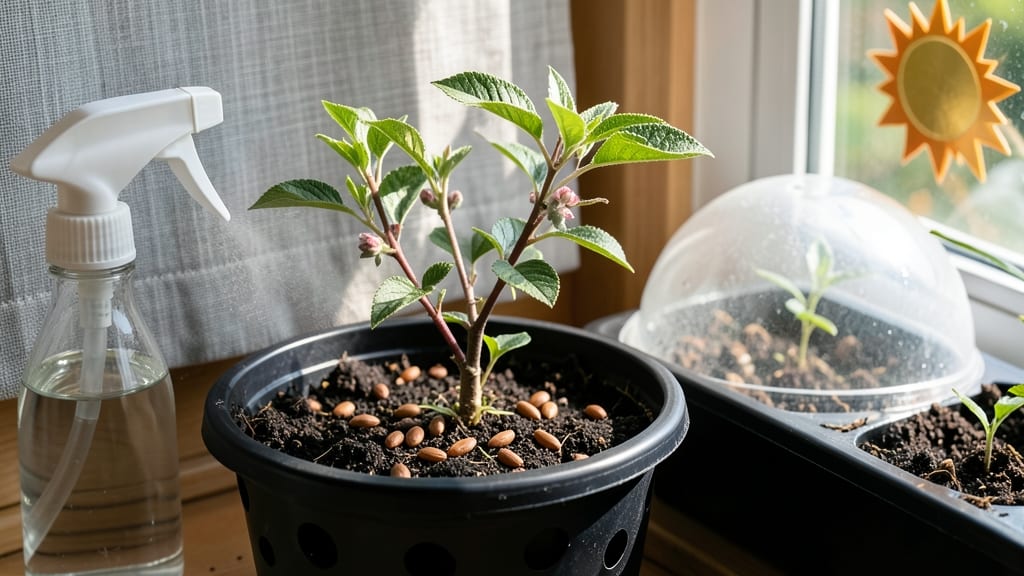
How to grow an apple tree from seeds at home is a rewarding journey that could one day lead you to bite into apples grown from your own saved seeds. 🌱 Growing apple trees from seeds is like planting a time capsule—what starts as a tiny seedling can become a tree bearing fruit that’s uniquely yours, though not always like its parent. The process isn’t about instant gratification; it’s about patience and curiosity. You’ll start with a seed from your favorite apple, coax it through germination, and nurture it through stages that reveal its true potential. Most store-bought apples won’t produce fruit true to the original, but the adventure of watching it grow is worth it. By the time your tree reaches maturity, you’ll have a one-of-a-kind fruit tree that might surprise you with flavors or textures you’ve never tasted before. The journey teaches you more about orchards than buying a sapling ever could. Fair warning: this isn’t a shortcut—it’s a long-term project. But if you’re willing to wait, the reward is a tree that carries your own story in every bite.
📚 In This Guide
- What you need
- Instructions
- Tips and common mistakes
- Wrapping up and next steps
What you need
- ● Apple seeds: 3–5 fresh, viable seeds (from a non-hybrid apple variety—ask your local orchard or farmer’s market!)
- ○ Small pots or seed trays: 2–3 (4–6 inches deep) with drainage holes. Optional: Biodegradable peat pots for transplanting.
- ● Potting soil: Well-draining, seed-starting mix (avoid garden soil—it’s too dense!). Pro tip: Mix in perlite or vermiculite (10–20%) for aeration.
- ● Spray bottle: For gentle watering (avoid over-saturating seeds!).
- ● Plastic wrap or humidity dome: To create a mini greenhouse effect.
- ● Grow lights or sunny windowsill: A south-facing window or LED grow light (12–16 hours/day) for seedlings.
- ● Larger pots (1–2 gallons): For transplanting saplings after 3–4 months.
- ● Fertilizer: Balanced, water-soluble fertilizer (5-5-5 or 10-10-10) for young trees.
- ● Pruning shears: Small, sharp pair for trimming leggy seedlings.
- ● pH testing kit: To check soil acidity (ideal range: 6.0–7.0 for apples).
- ● Mulch (wood chips or straw): Once outdoors, to retain moisture and regulate soil temp.
- ● Trellis or stakes: For supporting young trees as they grow (3–4 feet tall).
- ● Patience: Apple trees from seed take 5–10 years to bear fruit (and may not match the parent apple!).
- ● Space: Permanent outdoor location with full sun (6+ hours/day) and well-draining soil.
- ● Climate check: Ensure your hardiness zone matches the apple variety (e.g., ‘Granny Smith’ thrives in zones 5–9).
Step-by-step instructions for growing apple trees from seeds
Here's how to turn a single apple into a tree—it takes time, but the process is simple.
🌱 Step 1: Extract and Stratify the Seeds
Save the best apples—organic, fresh, and free from bruises—for seed extraction. Cut the fruit open, scoop out the seeds, and rinse them thoroughly to remove any fruit residue. This prevents mold during storage. Place the clean seeds in a small container and cover them with slightly damp paper towels or a damp cloth. Seal the container with plastic wrap to maintain moisture.
Store the container in your refrigerator's crisper drawer for 6-8 weeks. This cold stratification mimics winter conditions and breaks seed dormancy. Check the seeds weekly—they should remain moist but not soggy. Once you see tiny cracks or roots emerging, your seeds are ready for planting. I like to label the container with the apple variety and date to track progress.
🌱 Step 2: Plant the Stratified Seeds in Pots
Fill 4-inch diameter pots with a well-draining seed-starting mix (not garden soil). Plant 2-3 seeds per pot about ½ inch deep, spacing them evenly. Gently press the soil around the seeds to ensure good contact but don’t compact it too tightly. Place the pots in a warm, sunny spot—65-75°F is ideal for germination. A seedling heat mat can help if your home runs cooler.
Cover the pots loosely with plastic wrap or a humidity dome to retain moisture. Keep the soil consistently damp but not waterlogged—overwatering at this stage can cause rot. Germination typically takes 3-6 weeks, depending on the apple variety and your growing conditions. Once sprouts appear, remove the plastic immediately to prevent fungal growth.
☀️ Step 3: Care for Seedlings Until Transplanting
When seedlings reach 4-6 inches tall and develop 3-4 true leaves, it’s time to thin them. Keep the strongest, healthiest seedling per pot by snipping the others at the base with clean scissors. This reduces competition for nutrients. Move the pots to a bright, indirect light spot—6+ hours of sunlight daily is best. If using a grow light, position it 2-3 inches above the seedlings and keep it on for 14-16 hours per day.
Water the seedlings once a week, allowing the top inch of soil to dry out between waterings. Overwatering leads to weak, leggy growth. Fertilize lightly with a balanced, water-soluble fertilizer (10-10-10) diluted to half strength every 4-6 weeks once the seedlings are established. Avoid over-fertilizing—young trees are sensitive to salt buildup.
🪴 Step 4: Transplant Seedlings to the Ground
Choose a sunny, well-draining location with 6+ hours of sunlight and space for the tree to grow—apple trees can reach 20-30 feet tall. Dig a hole twice as wide as the pot but no deeper. Gently remove the seedling from its pot, loosen the roots if they’re circling, and place it in the hole so the top of the root ball sits level with the soil surface. Backfill with native soil and water deeply to settle it.
Mulch around the base with 2-3 inches of organic mulch (like wood chips or straw), keeping it 6 inches away from the trunk to prevent rot. Water the tree once a week for the first month, then every 2 weeks once established. Apple trees grown from seed may take 5-10 years to bear fruit, but proper care now ensures a strong, healthy tree later.
⏰ Step 5: Prune and Maintain for Long-Term Growth
Prune your young apple tree in late winter or early spring before new growth begins. Remove any dead, diseased, or crossing branches using clean, sharp pruners. Aim to shape the tree into an open-center form—this allows sunlight and air to reach the center, reducing disease risk. Limit pruning to no more than 25% of the tree’s foliage in the first year to avoid stress.
Monitor the tree for pests like aphids or codling moths and diseases such as apple scab. Organic sprays or neem oil can help manage issues early. Apple trees grown from seed may not produce fruit true to the parent variety—expect surprises! Be patient, and enjoy the journey of nurturing your tree into maturity.
Tips & tricks for growing apple trees from seeds
Here's what nobody tells you about growing fruit trees from seeds—these little details make all the difference when you're waiting years for that first apple.
Stratification Success: The 6-8 weeks of cold stratification in your fridge is non-negotiable for apple seeds. I've tried skipping this step, and the seeds either don't sprout or grow into weak, spindly plants. If you're impatient and want to speed things up slightly, you can use a seed stratification kit that cycles between warm and cold periods—just be prepared for a 4-6 week germination window either way. The key is keeping those paper towels damp but not dripping; think of it like wringing out a sponge.
Lighting for Seedlings: That 6+ hours of sunlight daily requirement is critical, but don't overlook the quality of light. South-facing windows are ideal, but if you're using grow lights, LED bulbs with a full spectrum (especially red and blue wavelengths) work best. I placed my grow lights just 2-3 inches above my seedlings and kept them on for the full 14-16 hours—this mimics summer daylight and prevents those sad, leggy seedlings that stretch toward any available light source.
Transplanting Timing: When you're ready to move your seedlings outdoors in Step 4, don't rush it! Harden them off first by placing the pots outside in a sheltered spot for a few hours each day, gradually increasing the time over 7-10 days. I made the mistake of planting my first tree directly into the ground without this transition, and it took weeks for the poor thing to recover from the shock. Also, choose your transplant day wisely—overcast conditions are ideal to prevent stress from direct sunlight.
Patience with Fruit: The 5-10 year timeline for fruiting is real, but you can still enjoy your tree's progress. Mark your calendar when you plant the seed and again when you transplant—this gives you tangible milestones to celebrate. I've found that keeping a simple growth journal with photos at each stage makes the wait feel more rewarding. Remember, even if the fruit doesn't match your parent apple, you might discover something completely unique that thrives in your climate.
Pro Tips for Grow Apple From Seeds At Home
- Here's what nobody tells you about growing fruit trees from seeds—these little details make all the difference when y...
- Stratification Success: The 6-8 weeks of cold stratification in your fridge is non-negotiable for apple seeds. I've t...
- Lighting for Seedlings: That 6+ hours of sunlight daily requirement is critical, but don't overlook the quality of li...
Frequently asked questions
Growing apples from seeds is exciting, but it’s natural to have questions! Here are some common ones to help you navigate the process with confidence.
How long does it take for an apple seed to sprout?
Apple seeds typically sprout within 2–4 weeks if kept in warm, moist conditions (around 70°F). Some may take longer—be patient! If no sprouts appear after 6 weeks, gently check for mold or rot and replant viable seeds.
Will the apple tree grown from seed produce fruit like the parent?
Probably not! Seed-grown trees are not true to type—meaning the fruit may differ in taste, size, or even color. For consistent apples, grafting is better. But hey, surprises are part of the fun!
Can I grow apples from store-bought seeds?
Yes, but store-bought seeds may be treated to prevent sprouting. Try seeds from organic, heirloom, or homegrown apples for better success. If unsure, soak seeds in water overnight to test viability.
What’s the best time to plant apple seeds outdoors?
Wait until spring (after the last frost) when soil is warm (60°F+). Young seedlings are delicate—harden them off indoors first. Alternatively, plant in fall after seeds have stratified naturally.
Why are my seedlings wilting or turning yellow?
Common issues include overwatering (root rot), underwatering (dry soil), or pests (aphids, spider mites). Check soil moisture, ensure drainage, and inspect leaves for bugs. Neem oil can help with pests!
How tall will my apple tree get if grown from seed?
Seedlings can grow 10–20 feet tall without pruning! Regular trimming keeps them manageable. Dwarf varieties (if grafted later) stay under 8 feet—great for small yards.
Wrapping up and next steps
Growing an apple tree from seed is a rewarding journey that blends patience with the joy of nurturing life! While it may take 5+ years to bear fruit, every step—from planting to pruning—teaches you the art of gardening.
Once your tree blossoms, you’ll taste the sweet satisfaction of homegrown apples, even if they’re not quite like store-bought varieties.
Ready to take the next step? Start small! Try growing a few seeds in pots first, or research grafting techniques to speed up fruit production. Happy growing—your future orchard awaits! 🌱🍏