
Propagation
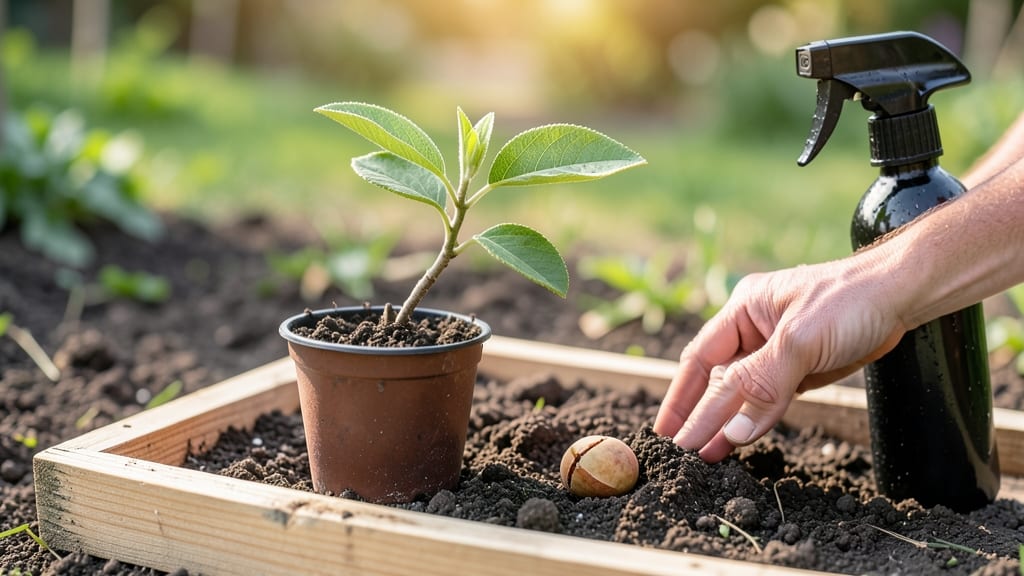
How to grow an apricot tree from a pit feels like waiting for a slow-blooming miracle—three years of nurturing before that first fruit. 🌱 I’ve tried this twice, and the second time, I finally cracked the cold-stratification trick that made my pit sprout within weeks instead of months. The key? Patience, the right pit, and knowing exactly when to plant.
You’ll need just a few things: fresh apricot pits (not dried), damp paper towels or a small pot, and a spot that mimics winter’s chill. Most people mess up the cold treatment—either too short or too long—which is why so many pits rot before sprouting.
After stratification, you’ll plant in well-draining soil and watch for that first tiny shoot in spring.
The payoff? A tree that thrives in your yard with bright orange fruit by its third year—though it’ll never match the size or quality of grafted varieties. I’ve had mine produce small, tart apricots perfect for jams, and the tree itself becomes a stunning shade feature.
The real magic? Watching that pit transform from a tiny brown seed to a fruit-bearing tree.
Fair warning: This isn’t a fast process, and not every pit will germinate. But when it works, it’s one of the most rewarding gardening experiments you can try. Here’s exactly how to do it right—no guesswork, just proven steps.
📚 In This Guide
- What you need
- Instructions
- Tips and common mistakes
- Wrapping up and next steps
What you need
- ● Fresh apricot pit: 1–2 pits from ripe, organic apricots (avoid store-bought pits if possible—they may be treated to prevent sprouting).
- ● Small pots: 2–3 (4–6 inches in diameter) with drainage holes. Tip: Use biodegradable pots for easier transplanting!
- ● Well-draining potting mix: 1 bag (look for a blend labeled for seeds or seedlings, or mix equal parts perlite, peat moss, and sand).
- ● Spray bottle: For gentle watering (avoid over-saturating the soil).
- ● Plastic wrap or humidity dome: To create a mini greenhouse effect while germinating.
- ● Grow lights or sunny windowsill: A spot with indirect light (6–8 hours/day) for seedlings.
- ● Pruning shears: Small, sharp pair for trimming sprouts as they grow.
- ● Fertilizer: Balanced, water-soluble fertilizer (5-5-5 or 10-10-10) for young trees.
- ● Heat mat: Speeds up germination (keep soil at 70–80°F).
- ● Soil thermometer: Monitors moisture and temperature.
- ● Tree stakes: For support as the tree grows taller.
- ● Mulch: Organic mulch (like straw) to retain moisture in outdoor plantings.
- ● Grafting tools: If you plan to graft your tree later for better fruit quality (advanced step!).
Step-by-step instructions for growing an apricot tree from a pit
Here's how to turn a simple pit into a thriving tree with real fruit—no nursery needed.
🌱 Step 1: Select and Prepare the Pit
Choose a fresh, plump apricot pit with no cracks or soft spots. Rinse it thoroughly to remove all fruit residue, then let it dry completely for 24 hours. This prevents mold that can rot the seed inside. I like to soak the pit in a glass of water for 2-3 days to speed up the germination process—just change the water daily to keep it fresh.
After soaking, place the pit between two damp paper towels in a sealed plastic bag. Store it in a warm spot (around 70°F) and check daily. You'll see the first crack in 2-4 weeks—that's your signal to move to soil. The key here is patience; forcing it too soon can damage the delicate sprout.
🪴 Step 2: Plant the Germinated Pit
Fill a small pot (at least 4 inches deep) with well-draining potting mix. I like to mix regular potting soil with 20% perlite to prevent waterlogging. Make a hole about 1 inch deep in the center and place the germinated pit with the sprout facing up. Cover it lightly with soil, leaving the top half exposed.
Water gently until moisture seeps from the bottom of the pot, then place it in a sunny window or under a grow light. Keep the soil consistently moist but never soggy—you want it damp to the touch, not dripping. The first true leaves should appear in 4-6 weeks, signaling strong root development.
☀️ Step 3: Transplant and Care for the Seedling
Once the seedling reaches 6-8 inches tall (usually after 3-4 months), transplant it into a larger pot or directly into the ground in a permanent location. Apricot trees need full sun (6+ hours daily) and well-draining soil. I add a handful of compost to the planting hole to give it a nutrient boost.
Water deeply once a week, letting the soil dry slightly between waterings. Avoid overhead watering to prevent fungal diseases. In the first year, you'll focus on helping the tree establish strong roots—it won’t fruit yet, but proper care now means sweet rewards in 3-5 years.
✂️ Step 4: Prune and Support Growth
When the tree reaches 2 feet tall, start pruning to encourage a strong, open canopy. Remove any dead or crossing branches with clean, sharp pruners. I prune in late winter or early spring before new growth begins—this gives the tree energy to focus on fruit production later.
Apricot trees are self-pollinating, but you can improve fruit set by planting two trees nearby. Mulch around the base with 2-3 inches of organic mulch to retain moisture and suppress weeds. Watch for signs of stress like yellowing leaves or stunted growth—these often mean the tree needs more sun or better drainage.
Tips & tricks for growing an apricot tree from a pit
Here's what nobody tells you about nurturing your apricot pit into a thriving tree—lessons I learned the hard way.
Patience is the secret weapon: Those 2-4 weeks until the first crack might feel like forever, but rushing the germination process can damage the delicate sprout. I've seen people force open pits with excessive moisture or heat, only to have the seed rot. Keep conditions stable—warmth around 70°F and consistent moisture are all you need. The paper towel method works best because it mimics natural soil conditions while keeping the environment controlled.
Soil science matters: That 20% perlite mix in Step 2 isn't just fluff—it's insurance against root rot. Apricot trees hate soggy roots, and poor drainage is the #1 reason home-grown trees fail. If you don't have perlite, coarse sand works in a pinch, but never skip the drainage improvement. I've seen seedlings drown in regular potting soil within weeks. The 1-inch deep planting depth is critical too—any deeper and the sprout struggles to reach light.
Light is non-negotiable: Those 4-6 weeks until first leaves are your tree's most vulnerable phase. Place your pot in the sunniest spot possible—south-facing windows or grow lights work best. I've had seedlings stretch painfully toward weak light, creating weak stems that break easily. If natural light is limited, supplement with a basic LED grow light for 12-14 hours daily. The moment you see true leaves (not just the initial seed leaves), you know the roots are developing properly.
Transplant timing is everything: Waiting until the seedling hits 6-8 inches ensures strong enough roots to handle the shock of moving. I've made the mistake of transplanting too early, and those delicate seedlings often wilt and fail to recover. When you do transplant, water thoroughly before and after moving to reduce stress. The 3-5 year timeline to fruit starts counting from this point—proper transplanting makes all the difference.
Pro Tips for Grow Apricot Tree From A Pit
- Here's what nobody tells you about nurturing your apricot pit into a thriving tree—lessons I learned the hard way.
- Patience is the secret weapon: Those 2-4 weeks until the first crack might feel like forever, but rushing the germination process can damage the delicate sprout.
- Soil science matters: That 20% perlite mix in Step 2 isn't just fluff—it's insurance against root rot.
Frequently asked questions
Growing an apricot tree from a pit is exciting, but it’s natural to have questions! Here are answers to some of the most common ones to help you succeed.
How long does it take for an apricot pit to sprout?
With the right conditions—moisture, warmth (around 70°F), and patience—you’ll likely see sprouts in 2 to 4 weeks. Some pits take longer, especially if they’re dry or stored improperly. Keep the soil consistently damp but not soggy to encourage faster germination.
Will my apricot tree produce fruit in 3 years?
While it’s possible, most homegrown apricot trees from pits take 5 to 7 years to bear fruit. The first fruits may be small or irregular, but with proper care (pruning, pollination, and sunlight), you’ll eventually enjoy a bountiful harvest. Patience is key!
Can I grow an apricot tree indoors?
Apricot trees thrive outdoors in full sun and warm climates (USDA zones 5-9). While you can start the pit indoors for germination, transplanting it outside as a seedling is crucial. They need 6+ hours of sunlight daily and space to grow into a mature tree.
Why isn’t my apricot pit sprouting?
Common reasons include dormancy, improper moisture, or temperature. Try these fixes:
- Soak the pit in water for 24 hours before planting.
- Use a heating mat to maintain warmth (around 75°F).
- Check for rot—if the pit smells bad, it may be moldy.
- Try cold stratification (refrigerate for 4-6 weeks) if germination stalls.
Do I need two apricot trees for fruit?
Yes! Apricot trees are self-pollinating but benefit from cross-pollination. Planting two different varieties nearby increases your chances of fruit set. If you only have one tree, hand-pollinate with a small brush in spring when flowers bloom.
How do I protect my young apricot tree from frost?
Young trees are frost-sensitive. Use these tips:
- Plant in a sheltered spot (near a wall or fence).
- Cover with frost cloth during late spring/fall freezes.
- Avoid watering before frost—wet leaves freeze easier.
- Mulch the base to insulate roots.
Wrapping up and next steps
Growing an apricot tree from a pit is a rewarding journey that blends patience with the joy of nurturing life! 🌱 With the right conditions—sunlight, well-draining soil, and consistent care—your tiny seed can blossom into a fruit-bearing tree in just a few years. Celebrate every small milestone, like the first sprouts or buds, and trust the process!
Ready to take the next step? Plant your pit today and watch your green thumb magic unfold. Once your sapling is thriving, consider exploring pruning tips or companion planting to maximize your harvest. Happy growing!