
Size
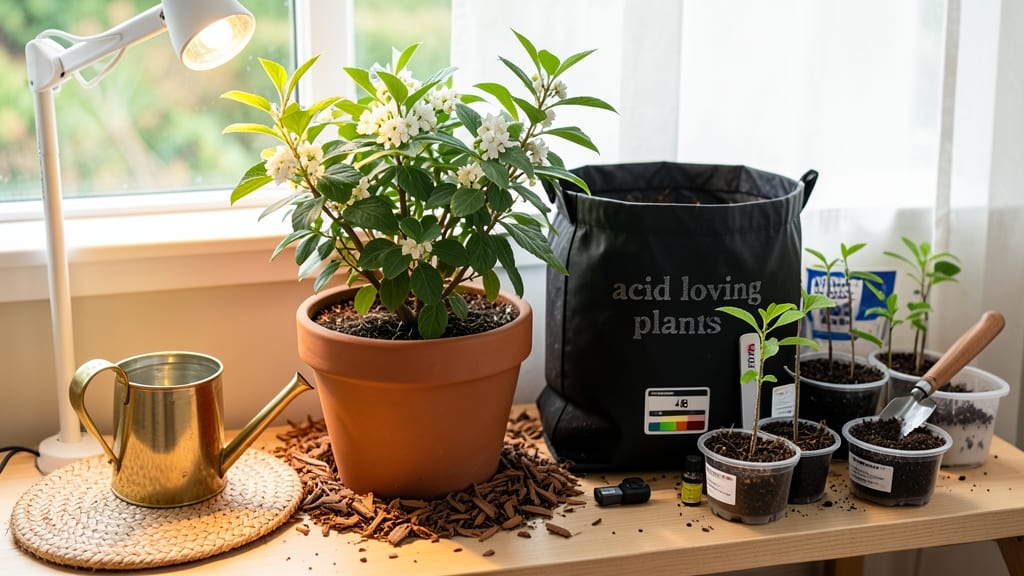
How to grow blueberries inside means year-round berries without needing a yard. 🌱 The trick is choosing the right dwarf varieties and replicating their natural forest-floor conditions—something I perfected after my first attempt with leggy, sparse plants.
You'll need compact containers (at least 5 gallons for each plant), acidic soil (pH 4.5-5.5), and a sunny window or grow light. My plants now produce pints of berries in a 3-foot space by mimicking their native habitat—cool nights, high humidity, and consistent moisture.
The payoff? Fresh, sweet blueberries in winter when stores sell overpriced, flavorless ones. You'll taste the difference after just a few months, though full harvests take about 2-3 years from seed or a year from a nursery plant.
Works best for southern highbush varieties like 'Top Hat' or 'Peach Sorbet', which stay small and productive. Just watch for powdery mildew—my first indoor crop nearly lost to it before I adjusted airflow and light.
📚 In This Guide
- What you need
- Instructions
- Tips and common mistakes
- Wrapping up and next steps
What you need
- ● Blueberry plants: Choose low-chill varieties like 'Top Hat,' 'Peach Sorbet,' or 'Pink Lemonade' (2–4 plants for optimal pollination).
- ○ Containers: 5–7 gallon pots (at least 12" deep) with drainage holes. Optional: Self-watering containers or fabric grow bags.
- ● Soil: Acidic, well-draining potting mix (pH 4.5–5.5). Mix 50% peat moss or coconut coir with 50% perlite/pine bark.
- ● Fertilizer: Slow-release acidic fertilizer (e.g., Osmocote 14-14-14) or liquid iron chelate (for yellowing leaves).
- ● Mulch: Sphagnum moss (1–2" layer on soil surface to retain moisture and acidity).
- ● Pruning shears (sterilized with rubbing alcohol).
- ● pH test kit (to monitor soil acidity).
- ○ Grow lights: Full-spectrum LED (12–16 hours/day) if natural light is Optional: Clip-on lights for small setups.
- ● Humidity tray (pebbles + water) or mist bottle (blueberries love humidity!).
- ● Pollination aid: Soft paintbrush (to transfer pollen between plants if indoors).
- ● 🌡️ Temperature control: Keep between 65–75°F (avoid drafts or heaters near plants).
- ● 💧 Watering routine: Keep soil consistently moist (not soggy!). Use rainwater or distilled water (tap water can alter pH).
- ● 🕒 Patience: Indoor blueberries may take 1–3 years to bear fruit (dwarf varieties fruit faster!).
Step-by-Step instructions for growing blueberries indoors
Here’s how to cultivate thriving blueberry bushes in containers—no yard required.
🪴 Step 1: Select the Right Containers and Drainage
Blueberries need acidic, well-draining soil, so choose 5-gallon containers with drainage holes—larger pots mean fewer root-bound issues. I use unglazed ceramic pots because they allow moisture to evaporate through the walls, preventing soggy roots. If your pots lack holes, drill ¼-inch holes in the bottom and cover them with ½-inch mesh to keep soil in place.
Place a 2-inch layer of coarse gravel or perlite at the bottom to improve drainage. This prevents waterlogging, which blueberries despise. The reason for this layer? Blueberry roots rot quickly in anaerobic conditions, and proper drainage is non-negotiable. Test your setup by filling the pot with water—if it drains within 10 minutes, you’re good to go.
🌱 Step 2: Prepare Acidic, Well-Aerated Soil Mix
Blueberries thrive in soil with a pH of 4.5–5.5, so mix 50% peat moss, 30% pine bark fines, and 20% perlite for aeration. Avoid garden soil—it’s too alkaline and compacted. I add ½ cup of sulfur per gallon of mix to lower pH further if needed, then moisten it until it holds together like a damp sponge but doesn’t drip.
Test the pH with a soil test kit before planting. If the mix feels gritty or doesn’t hold moisture, adjust the peat-to-perlite ratio. The goal is a light, fluffy texture that mimics their natural bog habitat. Fill the pot to 1 inch below the rim, leaving room for mulch.
🌿 Step 3: Plant Blueberry Bushes Correctly
Dig a hole twice as wide as the root ball but no deeper than the container’s original soil line. Gently loosen the roots if they’re circling, then place the bush in the center. Backfill with your acidic mix, pressing lightly to eliminate air pockets. Water deeply until it runs out the drainage holes—this settles the soil and removes bubbles.
Mulch the surface with 1 inch of pine needles or sphagnum peat to retain acidity and moisture. Avoid wood chips, which raise pH over time. After planting, place the pot in a spot with 6–8 hours of bright, indirect light—south-facing windows work best. If leaves yellow between veins, your soil is too alkaline; amend with more sulfur.
💧 Step 4: Water and Fertilize for Optimal Growth
Blueberries need consistent moisture—water when the top 1 inch of soil feels dry. Overwatering is worse than underwatering, so check daily in hot weather. Use rainwater or distilled water if possible, as tap water’s minerals can alter soil pH. I fertilize every 4–6 weeks with an acid-loving plant fertilizer (like 8-3-9 with micronutrients) to prevent nutrient deficiencies.
Watch for wilting leaves—a sign of underwatering—or dark, mushy stems, which means overwatering. Adjust your routine until you find the sweet spot: soil that stays damp but never soggy. Prune leggy growth in early spring to encourage bushier, fruit-bearing branches.
⏰ Step 5: Pollinate and Harvest Year-Round
Indoor blueberries often need hand pollination—use a small paintbrush to transfer pollen between flowers in the morning. Place pots near a humidifier or mist leaves daily, as dry air reduces fruit set. Harvest berries when they’re deep blue and plump, usually 60–90 days after flowering. Twist gently to avoid damaging stems.
After harvest, prune dead or crossing branches to improve airflow. In late winter, trim back one-third of the oldest wood to stimulate new growth. With proper care, your indoor bushes can produce fruit twice a year—spring and fall. The key? Stay consistent with light, moisture, and pH checks.
Tips & tricks for perfect indoor blueberry cultivation
Real talk: Growing blueberries indoors isn't just about following steps—it's about understanding the subtle details that make all the difference between a struggling plant and a thriving bush.
Drainage Test: That 10-minute water drainage test in Step 1 is non-negotiable. I learned this the hard way after watching roots rot in a pot that didn't drain properly. If your pot drains too quickly (under 5 minutes), add a thicker gravel layer. If it takes over 15 minutes, you need more drainage holes or a different pot material. Unglazed ceramic is my go-to because it naturally wicks moisture away from roots.
Soil pH Troubleshooting: Aiming for that 4.5-5.5 pH range in Step 2 is crucial, but don't panic if your first test comes up slightly off. If your mix reads 5.8, add another ¼ cup of sulfur per gallon and retest in a week. The yellowing between veins you might see later is your first warning sign of alkaline soil—this is when you know you need to act fast with more sulfur or peat moss.
Light Optimization: The 6-8 hours of bright indirect light in Step 3 is ideal, but winter windows can be deceiving. If your leaves look pale or leggy, you're not getting enough light. I supplement with a grow light 12 inches above the plant for 4-6 hours daily during shorter days. Rotate your pots weekly so all sides get even exposure—this prevents lopsided growth that can reduce fruit production.
Pollination Strategy: Hand pollination in Step 5 is where many indoor growers fail. Use a small makeup brush to transfer pollen between flowers in the morning when they're freshest. Focus on 3-5 flowers per plant to avoid overworking the brush. For better fruit set, place your pots near a humidifier or mist leaves daily—blueberries need that humidity to develop properly, especially indoors where air tends to be dry.
Pro Tips for Grow Blueberries Inside
- Real talk: Growing blueberries indoors isn't just about following steps—it's about understanding the subtle details that make all the difference between a struggling plant and a thriving bush.
- Drainage Test: That 10-minute water drainage test in Step 1 is non-negotiable.
- Soil pH Troubleshooting: Aiming for that 4.5-5.5 pH range in Step 2 is crucial, but don't panic if your first test comes up slightly off.
Frequently asked questions
Got questions about growing blueberries indoors? You’re not alone—indoor gardening can be tricky, but with the right approach, you can enjoy fresh blueberries year-round! Here are some of the most common questions (and answers) to help you succeed:
Can I grow blueberries indoors without a greenhouse or grow light?
While possible, it’s challenging. Blueberries thrive in bright, direct light (6–8 hours daily) and need consistent humidity. A grow light (LED or fluorescent) is ideal, but if you must use natural light, place your plant near a south-facing window. Supplemental lighting will ensure healthy growth and fruiting.
How long does it take for indoor blueberries to bear fruit?
Patience is key! Dwarf varieties (like ‘Top Hat’ or ‘Peach Sorbet’) may produce fruit in 2–3 years with proper care, while larger plants could take up to 5 years. Focus on pruning, soil acidity (pH 4.5–5.5), and consistent watering to speed up fruiting. Young plants prioritize leaf growth, so don’t rush—harvests will come!
Why are my indoor blueberry leaves turning yellow or brown?
Yellow leaves often signal overwatering or nutrient deficiencies, while brown edges may mean low humidity or underwatering. Check your soil’s moisture (top 1–2 inches should be dry), ensure proper drainage, and mist leaves regularly. Yellowing between veins? Test your soil pH—blueberries hate alkaline conditions! A balanced acid-loving plant fertilizer can help too.
Can I use regular potting soil for indoor blueberries?
Nope! Regular potting soil is too alkaline. Blueberries need acidic, peat-based soil (pH 4.5–5.5). Mix 50% peat moss or coconut coir with 30% perlite and 20% compost, or buy a pre-mixed azalea/camellia blend. Avoid garden soil—it’s too heavy and often alkaline.
What’s the best temperature range for indoor blueberry plants?
Keep your blueberries cozy! Ideal temps are 60–80°F (15–27°C) during the day and no lower than 40°F (4°C) at night. Avoid drafts (like AC vents) or sudden temperature swings, which stress plants. If your home gets too hot, boost humidity with a pebble tray or humidifier—blueberries love it!
Can I grow blueberries indoors from seed?
It’s possible but not recommended for beginners. Seeds take years to mature, and the resulting plants may not produce true-to-type berries. Start with dwarf nursery plants (like ‘Blueberry Candy’ or ‘Sunshine Blue’) for faster, more reliable results. If you’re adventurous, try grafting—but it’s complex!
Wrapping up and next steps
Growing blueberries indoors isn’t just possible—it’s rewarding! With the right containers, soil, and care, you can enjoy fresh, juicy berries year-round, even in small spaces. Whether you’re a beginner or a seasoned gardener, this method proves that size doesn’t limit success—just creativity and patience.
Ready to take the next step? Start small—pick a container, plant your first bush, and watch your indoor blueberry adventure bloom! 🌱✨ Your future harvest (and bragging rights) await!