
Propagation
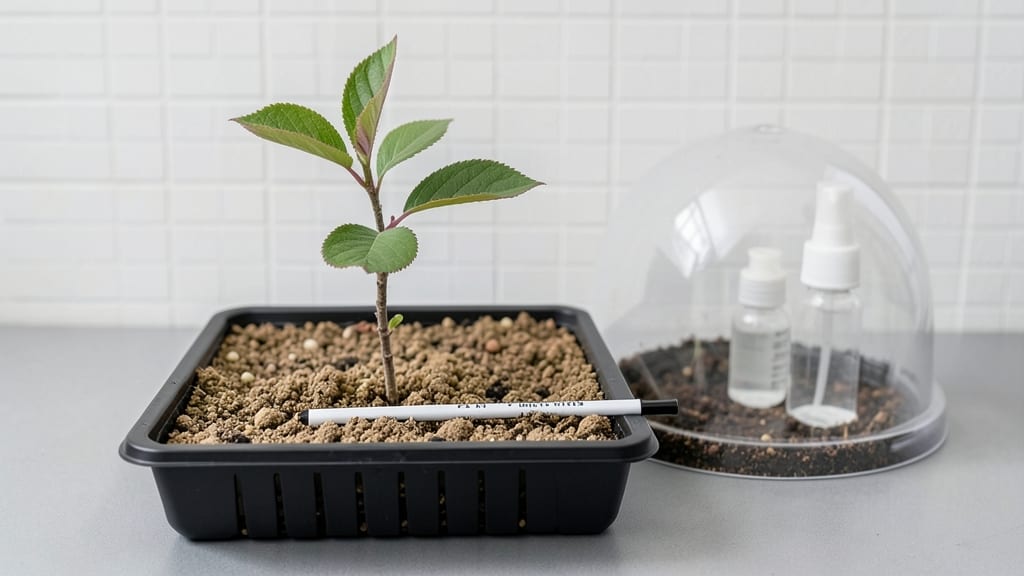
How to grow cherry plums from seed—it’s the ultimate long-term gardening project that rewards patience with fruit you won’t find in stores. Three years from now, you could be biting into fruit you grew from a single pit. 🌱 Growing cherry plums from seed demands time, but the reward is a tree that produces fruit unlike anything you’ll buy. The key? Understanding that seed-grown trees take time to mature, but with the right care, they’ll thrive in your yard for decades.
Start with fresh pits from ripe cherry plums—never dried fruit. After cleaning and drying them, you'll need to stratify the seeds for 6-8 weeks in the fridge to break dormancy.
This mimics winter's natural process and ensures better germination rates. Most gardeners skip this step and end up waiting months for seeds that might never sprout.
Once germinated, your seedlings will grow slowly at first, but with proper sunlight (at least 6-8 hours daily) and well-draining soil, they'll develop into sturdy young trees. The first year focuses on root establishment—don't rush transplanting.
By year three, you'll see branches forming, and with time, those branches will bear fruit that tastes sweeter than anything you've ever bought.
Common challenges include slow germination or weak seedlings, but these are normal for stone fruit. The trick is consistency: water deeply once a week (unless it rains) and protect young trees from pests.
With each passing season, your cherry plum tree will grow stronger, proving that good things truly come to those who wait.
📚 In This Guide
- What you need
- Instructions
- Tips and common mistakes
- Wrapping up and next steps
What you need
- ● Cherry plum seeds: Fresh, high-quality seeds from ripe fruit (10–20 seeds for best results). Pro tip: 💡 Store seeds in a cool, dry place until ready to plant.
- ● Small pots or seed trays: 3–4 inch diameter (6–8 pots for 10+ seeds). Use well-draining pots with drainage holes.
- ● Seed-starting mix: Lightweight, sterile potting soil (1 bag, ~1 cubic foot). Avoid garden soil—it’s too dense!
- ● Plastic wrap or humidity dome: To create a mini greenhouse effect (1–2 sheets or a dome lid).
- ● Spray bottle: For gentle watering (1 small bottle).
- ● Grow lights or sunny windowsill: A south-facing window or LED grow lights (12–16 hours/day).
- ○ Heat mat (optional but helpful): Keeps soil warm (70–80°F) for faster germination (1 mat, ~12"x24").
- ● Stratification setup: Refrigerator or cold frame to mimic winter chilling (if seeds need stratification).
- ● Fertilizer: Balanced liquid fertilizer (e.g., 10-10-10) for seedlings (1 bottle).
- ● Pruning shears: For trimming leggy seedlings (1 pair).
- ● Transplanting pots: Larger pots (5–7 inches) for young saplings (4–6 pots).
Step-by-Step instructions for Growing cherry plums from seed
Here's how to turn a single cherry plum pit into a thriving tree with fruit in just three years.
🌱 Step 1: Extract and Stratify the Seeds
Start by carefully removing the pit from a ripe cherry plum. Rinse it thoroughly to remove any fruit residue, then let it dry completely for 24 hours before proceeding. This prevents mold and ensures a clean start. I like to soak the pit in lukewarm water for 24 hours—this softens the outer shell and speeds up the next step.
After soaking, place the pit between two moist paper towels in a sealed plastic bag. Store it in the refrigerator for 6-8 weeks—this cold treatment, called stratification, mimics winter conditions and tricks the seed into thinking it’s time to germinate. Check the towels weekly and mist with water if they dry out. You’ll know it’s working when a tiny white root appears after about 4-6 weeks.
🪴 Step 2: Plant the Germinated Seed
Once the root is ½ inch long, it’s time to plant. Fill a small pot (3-4 inches deep) with well-draining potting mix—I mix equal parts cactus/succulent mix and perlite to keep it light and airy. Make a 1-inch deep hole in the center and gently place the seed, root-side down, so it sits just below the soil surface.
Cover lightly with soil, leaving the top of the seed exposed. Water gently until the soil is moist but not soggy—you want it damp enough to encourage root growth but not waterlogged. Place the pot in a warm, sunny spot (like a south-facing windowsill) where temperatures stay between 65-75°F. Keep the soil consistently moist, but avoid overwatering—this is the #1 killer of young seedlings.
☀️ Step 3: Transplant and Care for Seedlings
After 4-6 weeks, when the seedling reaches 4-6 inches tall, it’s ready for its first transplant. Choose a larger pot (6-8 inches deep) with fresh potting mix and dig a hole deep enough to bury half the stem—this encourages stronger root growth. Water thoroughly after transplanting to help settle the soil around the roots.
Move the seedling outdoors to a sheltered spot (like a patio or garage) for 2-3 hours the first day, gradually increasing exposure over 10-14 days. This hardening-off process prepares it for life outside. Once it’s acclimated, plant it in the ground in spring, after the last frost, in a location with full sun (6+ hours daily) and well-draining soil. Mulch around the base to retain moisture and regulate soil temperature.
✂️ Step 4: Prune and Support Growth
In the first year, focus on establishing a strong structure. Prune any weak or crossing branches when the tree is dormant (late winter/early spring) to encourage a single, strong trunk. Use clean pruning shears to make cuts just above a leaf node—this prevents disease and promotes new growth. Avoid heavy pruning in the first year, as the tree is still young and vulnerable.
By year 3, your cherry plum should be 5-6 feet tall with a sturdy trunk. This is when it starts producing small flowers, and with patience, you’ll see tiny fruit forming. Thin out any overcrowded branches to improve airflow and reduce disease risk. Water deeply once a week during dry spells, but avoid wetting the leaves to prevent fungal issues. The first harvest won’t be plentiful, but each year after, you’ll see more fruit—and sweeter rewards for your patience.
Tips & tricks for Growing cherry plums from seed
Growing fruit trees from seed takes extra care, but these little tricks will help you avoid common pitfalls and give your cherry plum the best start.
Stratification Success: Don't rush the 6-8 week cold treatment in Step 1—this is where most seeds fail. Place a small piece of tape with the date on the bag so you don't forget when you started. I've seen roots appear as early as 4 weeks, but consistency is key. If your kitchen is particularly warm, consider using a second refrigerator or a cooler spot in your fridge for more stable temperatures.
Planting Position: In Step 2, when planting your germinated seed, make sure the root is pointing downward but the seed itself sits just below the soil surface—not buried. I like to use a toothpick to create the planting hole—it gives me better control than my fingers. The exposed top helps prevent rot while still allowing light for photosynthesis. Keep the pot on a saucer to catch any excess water that drains through.
Hardening Off: The 10-14 day hardening process in Step 3 is crucial but often overlooked. Start with just 2-3 hours on the first day in partial shade, then gradually increase both time and sun exposure. I've seen seedlings shocked by sudden full sun exposure—watch for wilting or yellowing leaves. A small shade cloth can help during this transition if your outdoor space gets intense afternoon sun.
Pruning Practice: When you reach Step 4 and need to prune weak branches, use clean, sharp pruning shears and make cuts at a 45-degree angle just above a leaf node. I sterilize my tools with rubbing alcohol between cuts to prevent disease spread. Remember that first-year pruning shapes your tree's future structure—take your time to create an open center that allows sunlight to reach all branches.
Pro Tips for Grow Cherry Plums From Seed
- Growing fruit trees from seed takes extra care, but these little tricks will help you avoid common pitfalls and give ...
- Stratification Success: Don't rush the 6-8 week cold treatment in Step 1—this is where most seeds fail. Place a small...
- Planting Position: In Step 2, when planting your germinated seed, make sure the root is pointing downward but the see...
Frequently asked questions
Got questions?
Growing cherry plums from seed is rewarding but comes with its share of curiosity. Here are some of the most common questions—and answers—to help you navigate the process with confidence.
How long does it take for cherry plum seeds to germinate?
Germination can take anywhere from 2 weeks to 6 months, depending on the seed’s dormancy period and conditions. Stratification (cold treatment) speeds this up significantly—most seeds sprout within 4-8 weeks after proper chilling. Patience is key, but don’t worry if it takes longer!
Can I grow cherry plums from seed faster than 3 years?
Unfortunately, no—cherry plums (Prunus cerasifera) are slow growers when started from seed. The 3-year timeline is typical for fruit-bearing trees, though some varieties may take slightly longer. For faster results, consider grafting a mature branch onto your seedling (advanced technique) or buying a young tree.
What if my cherry plum seedling grows into a different type of tree?
It’s possible! Cherry plums are not true-to-type from seed, meaning your tree may produce different fruit (or none at all). To ensure consistency, graft a known variety onto your seedling later. If you’re okay with surprises, enjoy the adventure—some seedlings grow into stunning ornamental trees!
Why are my cherry plum seedlings wilting or turning yellow?
Wilting or yellowing often signals overwatering, underwatering, or pests. Check soil moisture (keep it consistently damp but not soggy) and inspect leaves for aphids or spider mites. Adjust watering habits or treat with neem oil if pests are the culprit. A sunny spot with well-draining soil helps prevent stress.
Will cherry plums grown from seed produce fruit?
Yes, but not all seeds will fruit, and the quality may vary. Some seedlings may take 5-7 years to bear fruit, while others never do. For reliable fruit production, graft a known fruiting variety onto your seedling once it’s established. Even if it doesn’t fruit, the tree’s ornamental value is stunning!
Wrapping up and next steps
Growing cherry plums from seed is a rewarding journey that blends patience with the joy of nurturing life from scratch.
While it may take 3-5 years to see fruit, each step—from scarifying seeds to transplanting seedlings—teaches you the art of gardening. Don’t let the wait discourage you! Once your tree bears fruit, the sweet, tangy reward will make every effort worthwhile.
Ready to take the next step? Start small—plant a few seeds this season and document your progress. Who knows? You might just grow a thriving orchard in your backyard! 🌱