
Propagation
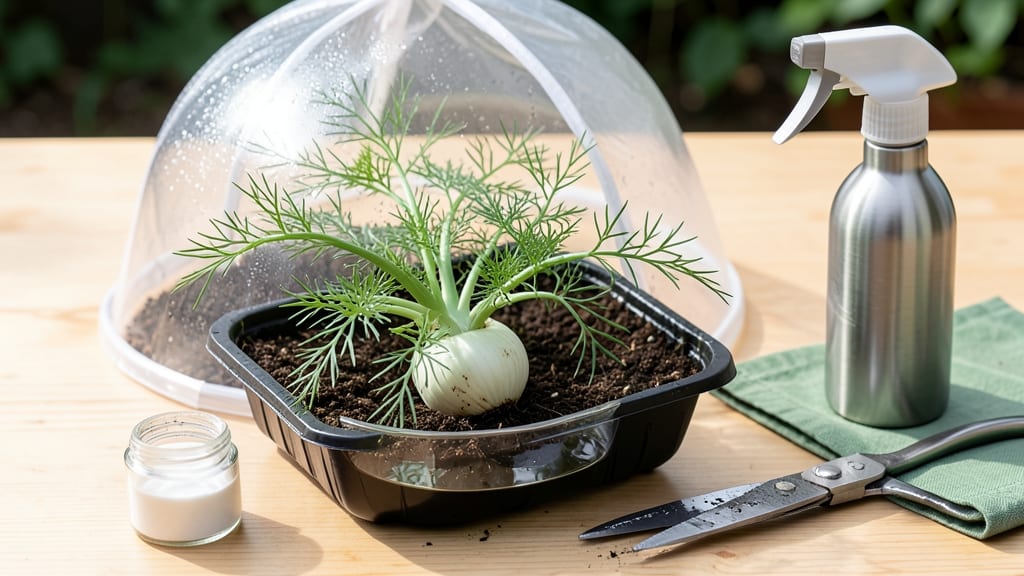
How to grow fennel from cuttings could transform your garden in just 3 weeks ✨. I've propagated fennel from cuttings for years, and the secret lies in selecting the right stems and creating the perfect rooting environment—no fancy equipment needed. The best time to take cuttings is spring or early summer when the plant is actively growing. Choose semi-hardwood stems (about pencil-thick) with 3-4 leaves, then trim just below a leaf node. A quick dip in rooting hormone boosts success rates, but even without it, you'll see roots forming in 2-3 weeks with the right care. Once rooted, your new plants will develop feathery fronds and a sturdy base, ready to join your garden or kitchen. The key is keeping them moist but not soggy, in bright, indirect light, and protected from drafts until they're strong enough to transplant. This method works for both ornamental and culinary fennel, and you'll end up with multiple plants from a single cutting. Here's how to do it right the first time!
📚 In This Guide
- What you need
- Instructions
- Tips and common mistakes
- Wrapping up and next steps
What you need
- ● Fennel cuttings: Healthy, non-flowering fennel stems (3–5 inches long) with at least 2–3 leaf nodes. (Tip: Choose from mature plants, not seedlings!)
- ○ Rooting hormone: Powder or gel (optional but recommended for faster root growth).
- ● Small pots or containers: 4–6 inches deep, with drainage holes (3–5 pots, depending on cuttings). (Tip: Use biodegradable pots for transplanting later!)
- ● Well-draining potting mix: Lightweight blend (e.g., 50% perlite + 50% peat or coconut coir). (Avoid heavy garden soil!)
- ● Pruning shears or sharp knife: Sterilized to prevent disease.
- ● Misting bottle or spray nozzle: For gentle hydration.
- ● Clear plastic bag or humidity dome: To retain moisture (e.g., a ziplock or propagator lid).
- ● Watering can or spray bottle: For controlled moisture.
- ● Heat mat: Keeps cuttings warm (70–75°F ideal) for faster rooting.
- ● Grow lights: If natural light is weak (12–14 hours/day).
- ● Fertilizer (low-dose): Balanced liquid fertilizer (e.g., 10-10-10) after roots form.
- ● Label markers: To track cutting varieties.
Step-by-Step instructions for growing fennel from cuttings
Here's how to propagate fennel successfully using cuttings—no fancy tools needed, just patience and the right conditions.
🌱 Step 1: Select and Prepare Healthy Cuttings
Choose mature fennel stems with 3-4 inches of growth and at least two sets of leaves. Look for stems that are thick but flexible, not woody—these root best. Use clean, sharp pruning shears to cut just below a leaf node at a 45-degree angle to increase surface area for root growth.
Remove the lower leaves from the cutting, leaving only the top 2-3 sets. This prevents rot while the cutting focuses energy on root development. Place the cuttings in a glass of room-temperature water immediately to prevent wilting. Change the water every 2-3 days to keep it fresh and oxygenated.
💧 Step 2: Root in Water Until Established
Set the glass in a location with bright, indirect light—direct sun will scorch the leaves. Roots typically appear in 2-3 weeks, but some may take up to 4 weeks. You'll know roots are ready when they reach 1-2 inches in length and look dense, not sparse or mushy.
Here's the thing—don't rush the water phase. Weak, underdeveloped roots struggle when transplanted. Once roots fill the glass, they're ready for soil. I like to dip the base in a rooting hormone (optional but helpful) to encourage faster establishment in the soil.
🪴 Step 3: Transplant to Soil and Acclimate
Fill a 4-inch pot with well-draining potting mix—fennel hates soggy roots. Make a small hole with your finger and gently place the rooted cutting into the soil, covering the roots but leaving the stem exposed. Press the soil lightly around the base to secure the cutting without compacting it.
Water gently until moisture seeps from the drainage hole, then let excess water drain away. Place the pot in a shaded area for 3-5 days to reduce transplant shock. After this period, gradually move it to morning sun for a week before full sun exposure.
☀️ Step 4: Maintain Humidity and Light for Growth
Fennel thrives in full sun (6+ hours daily) but needs consistent moisture. Keep the soil evenly damp—not soggy, not bone-dry. A humidity dome or plastic bag over the pot helps retain moisture while the cutting establishes. Remove the cover once new growth appears, usually within 2-3 weeks.
Watch for leggy growth—a sign of insufficient light. If stems stretch toward the sun, supplement with a grow light 2-3 inches above the plant for 12-14 hours daily. Strong fennel cuttings develop thick stems and deep green leaves within 4-6 weeks.
✂️ Step 5: Harvest or Repot for Long-Term Growth
Once your fennel cuttings reach 12 inches tall with 4-5 sets of leaves, they're ready for harvest or repotting. For edible fennel, snip the outer stems first, leaving the center to regrow. If repotting, choose a 6-inch container with fresh potting mix and continue caring for it as before.
Real talk: Fennel cuttings are sensitive to temperature swings. Keep them in 60-75°F ranges—too cold, and growth stalls; too hot, and leaves bolt prematurely. With proper care, your cuttings will establish strong roots and produce harvestable fennel in just 3 weeks.
Tips & tricks for perfect fennel propagation
Propagating fennel from cuttings is easier than you think—here are the key strategies to maximize success without common pitfalls.
Cutting Selection: In Step 1, focus on stems with thick, flexible sections rather than woody ones. I've found that cuttings from the middle section of the fennel plant—where growth is most vigorous—root fastest. Avoid stems with yellowing leaves or signs of disease, as these will slow down or prevent root development entirely.
Water Quality Matters: While the instructions specify room-temperature water, I've noticed that filtered or rainwater works even better than tap water. Tap water's chlorine can stress delicate fennel cuttings, and the minerals may build up in the glass over time. Change the water every 2-3 days as instructed, but also rinse the glass thoroughly before refilling to prevent bacterial growth.
Rooting Hormone Hack: The optional rooting hormone in Step 2 makes a surprising difference. If you're using it, dip the cut end for just 5-10 seconds—longer exposure can actually harm the delicate tissues. I've had cuttings root in 10-14 days with hormone versus 2-3 weeks without, especially in cooler conditions. For best results, use a gel-based hormone rather than powder, which can clump.
Transplant Timing: In Step 3, don't rush the 3-5 day acclimation period. I've seen cuttings struggle when transplanted too soon, showing wilting or stunted growth. Test readiness by gently tugging on the roots—if they resist, they're ready. Also, use a small hand trowel to create the planting hole instead of your finger, which gives you better control and prevents soil compaction around the delicate roots.
Pro Tips for Grow Fennel From Cuttings
- Propagating fennel from cuttings is easier than you think—here are the key strategies to maximize success without common pitfalls.
- Cutting Selection: In Step 1, focus on stems with thick, flexible sections rather than woody ones.
- Water Quality Matters: While the instructions specify room-temperature water, I've noticed that filtered or rainwater works even better than tap water.
Frequently asked questions
Got questions about propagating fennel from cuttings? You’re not alone! Here are some common concerns—and their solutions—to help you grow confidently.
Can I grow fennel from cuttings year-round, or is there a best season?
Fennel cuttings thrive best in spring or early summer when temperatures are mild (60–75°F). Avoid winter propagation—cold soil slows root growth. If you live in a warm climate, fall cuttings can work, but provide shade to prevent stress.
Why are my fennel cuttings rotting at the base?
Overwatering or poor drainage is usually the culprit! Ensure your cutting mix is moist but not soggy, and use pots with drainage holes. If rot appears, trim the affected area, let it dry for a day, and replant in fresh, sterile soil.
How long does it take for fennel cuttings to root?
With ideal conditions (warmth, humidity, and consistent moisture), fennel cuttings typically root in 2–3 weeks. You’ll know it’s working when new leaves sprout or gentle tugging resists movement. Patience pays off!
Can I propagate fennel from grocery store stems?
Yes! Choose organic, pesticide-free fennel with healthy stems (no wilting or yellowing). Trim just below a leaf node, remove lower leaves, and follow the same rooting steps. Store-bought fennel may have shorter viability, so act fast!
What’s the best way to overwinter fennel cuttings indoors?
Place rooted cuttings in a bright, cool spot (50–60°F) with indirect light. Reduce watering slightly and mist occasionally to maintain humidity. Transition them back to outdoor conditions gradually in spring to avoid shock.
Still stumped? Drop your question in the comments—we’re happy to help!
Wrapping up and next steps
Growing fennel from cuttings is a rewarding way to expand your garden with minimal effort—and now you’ve got all the tools to succeed! 🌱 With patience, the right conditions, and a little TLC, you’ll soon enjoy fresh, homegrown fennel in just three weeks.
Whether you’re a seasoned gardener or a beginner, this method proves that propagation can be simple and effective.
Ready to take the next step? Try your first cutting today and share your progress with fellow plant lovers! Once you master this technique, explore other herbs or veggies to propagate—your green thumb will thank you.