
Size
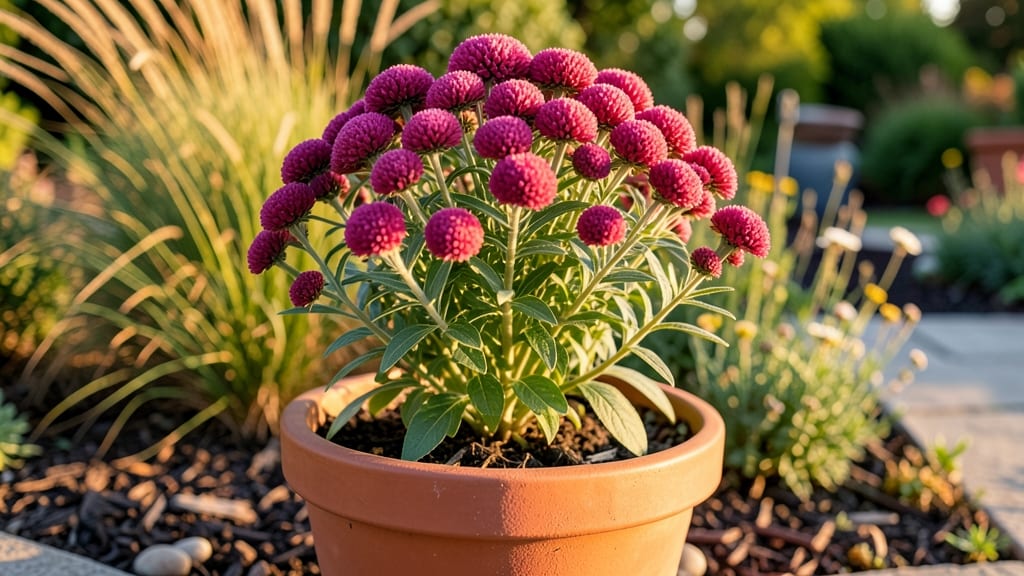
Growing gomphrena delivers vibrant, papery blooms that outlast summer heat and drought—no fuss required. 🌻 I’ve grown these drought-proof powerhouses for years, and they’ve never failed to deliver bold colors (pink, purple, red, or white) that stay fresh even when other flowers wilt.
The secret? Full sun, well-draining soil, and minimal watering—once established, they thrive on neglect. Start seeds indoors 6-8 weeks before your last frost, or sow directly after soil warms. These plants are beginner-friendly, pest-resistant, and perfect for cutting gardens or dried arrangements.
By midsummer, you’ll have compact, bushy plants packed with flowers that last weeks after cutting. They’re also pollinator magnets, attracting bees and butterflies without needing extra effort. Plus, their papery texture makes them stand out in bouquets or as long-lasting dried flowers.
Works in containers, borders, or wildflower meadows—just give them space (12-18 inches apart) and watch them flourish with almost no care. Here’s how to make them thrive in your garden!
📚 In This Guide
- What you need
- Instructions
- Tips and common mistakes
- Wrapping up and next steps
What you need
- ● Seeds: Gomphrena seeds (choose from varieties like Gomphrena globosa for pom-poms or Gomphrena haageana for unique "Oki" types). Start with 10–20 seeds for a small patch or 50+ for a full bed.
- ● Potting soil: Well-draining cactus/succulent mix or a blend of 50% potting soil + 50% perlite/sand (1–2 bags, depending on container size).
- ● Containers or garden bed: For seedlings: Biodegradable pots (2–3 inches deep) or seed trays with drainage holes.
- ● For transplanting: Individual pots (4–6 inches deep) or a sunny garden bed with at least 6–12 inches of spacing between plants.
- ● Watering can or spray bottle: With a gentle misting nozzle for seedlings.
- ○ Fertilizer (optional but helpful): Balanced 10-10-10 fertilizer (1 tbsp per gallon of water) for seedlings.
- ● Slow-release granular fertilizer (like 7-7-7) for mature plants (sprinkle lightly at planting).
- ● Sunlight: Full sun (6+ hours daily)—Gomphrena thrives in heat and won’t tolerate shade.
- ● Temperature: Warmth-loving! Ideal range: 70–90°F (21–32°C). Avoid frost (below 32°F/0°C kills plants).
- ● Water: Drought-tolerant once established! Water seedlings lightly to keep soil moist but not soggy. Mature plants need water only when soil is completely dry (about 1–2 times per week in extreme heat).
- ● Mulch (straw or gravel) to retain moisture and suppress weeds.
- ● Pruning shears for deadheading spent blooms (encourages more flowers!).
- ● Garden gloves to protect hands from tiny but sharp seed pods.
- ● Drought-resistant companion plants (like lantana or portulaca) for a colorful, low-maintenance garden.
Step-by-step instructions for growing gomphrena
Here's how to cultivate these heat-loving annuals with minimal fuss and maximum impact.
🌱 Step 1: Choose the Right Location and Prepare Soil
Gomphrena thrives in full sun—at least 6-8 hours daily—so select a spot with southern or western exposure. These plants tolerate poor soil, but they'll reward you with bigger blooms if you amend the bed with 1-2 inches of compost before planting. The key is drainage: Gomphrena hates soggy roots, so avoid low-lying areas where water pools.
Loosen the soil to a depth of 12 inches with a garden fork, breaking up any compacted layers. If your soil is heavy clay, mix in sand or perlite to improve aeration. Gomphrena’s native habitat is dry, rocky regions, so don’t overthink soil prep—just ensure it’s not waterlogged. A simple scratch into the soil with your finger should be enough to test consistency; it should crumble easily when dry.
🌱 Step 2: Plant Seeds or Transplants at the Right Time
Start seeds indoors 8-10 weeks before your last frost date if you want early blooms, or sow directly outdoors after all danger of frost has passed. Gomphrena seeds germinate best in warm soil (70-80°F), so wait until the ground temperature consistently stays above 60°F. You’ll know it’s time when nearby weeds start sprouting enthusiastically.
Plant seeds ¼ inch deep and 12 inches apart in rows spaced 18 inches apart. If using transplants, space them 10-12 inches apart to allow airflow and reduce disease risk. Press the soil gently around each seed or seedling to ensure good contact—this prevents air pockets that can delay germination or stunt growth. Water lightly after planting, but avoid soaking the soil, as this can wash seeds away or create a crust that blocks sprouts.
☀️ Step 3: Water Deeply but Infrequently
Gomphrena’s drought tolerance is legendary, but that doesn’t mean you should neglect it entirely. Water deeply once a week during dry spells, aiming for 1 inch of water per week. The best time to water is in the early morning, so the foliage has time to dry before evening—this prevents fungal issues like powdery mildew.
Check moisture by sticking your finger 1 inch into the soil. If it feels dry, it’s time to water. If it’s still damp, wait another day. Overwatering is the fastest way to kill gomphrena, as it causes root rot. Once established, these plants can go 2-3 weeks without water in hot, dry conditions, making them perfect for low-maintenance gardens.
✂️ Step 4: Deadhead and Prune for Longer Blooms
To encourage continuous flowering, pinch off spent blooms as soon as they fade. This redirects the plant’s energy from seed production to creating new buds. Use clean, sharp scissors or pinch with your fingers to avoid damaging the stems. You’ll notice a surge in new growth within 7-10 days—this is your reward for staying on top of deadheading.
If your gomphrena starts to look leggy or overcrowded, trim back the longest stems by ⅓ of their length. This promotes bushier growth and prevents the plant from becoming top-heavy. Avoid cutting into woody stems, as gomphrena is tender and won’t regenerate from old wood. The ideal shape is compact and rounded, with plenty of airflow between branches.
🪴 Step 5: Harvest and Preserve Flowers
Gomphrena’s papery blooms hold their color beautifully when dried, making them perfect for long-lasting arrangements. Harvest stems in the morning after the dew has dried but before the heat of the day sets in. Cut stems at a 45-degree angle just above a leaf node to encourage new growth.
To dry the flowers, bundle stems in small groups and hang them upside down in a dry, dark, and well-ventilated space. They’ll take 2-3 weeks to dry completely. Once fully dry, the blooms will retain their vibrant color and can be used in potpourri, wreaths, or dried flower arrangements. You’ll be amazed at how long they last—sometimes up to a year if stored properly in an airtight container.
Tips & tricks for perfect gomphrena cultivation
These simple yet game-changing insights will help you coax the most vibrant, resilient blooms from your gomphrena plants.
Sunlight Strategy: While gomphrena thrives in full sun (6-8 hours daily), I've found that morning sun paired with afternoon shade in extreme heat zones actually preserves bloom intensity. The key is avoiding the harshest afternoon rays when temperatures exceed 90°F—this prevents leaf scorch while still maintaining that signature color. Position your plants where they get morning sunlight and afternoon dappled shade if possible.
Soil Test Trick: Before amending your soil with the recommended 1-2 inches of compost, perform this quick test: Dig a small hole, fill it with water, and time how long it takes to drain completely. If it takes longer than 30 minutes, you need more sand or perlite to improve drainage. Gomphrena's roots will thank you by staying healthy rather than developing rot.
Germination Hack: When starting seeds indoors 8-10 weeks before your last frost, I've had the best success using a heat mat set to maintain soil temperatures between 75-80°F. This creates ideal conditions for germination within 7-14 days. If you don't have a heat mat, place your seed trays on top of your refrigerator—it generates just enough warmth to speed up the process without overdoing it.
Pruning Precision: That 7-10 day surge in new growth after deadheading is real, but timing matters. I recommend doing this maintenance in the morning when the stems are firm and hydrated. Use clean scissors to make precise cuts just above a leaf node—this encourages new growth from that point rather than leaving a stub that can rot. For bushier plants, trim back the longest stems by exactly ⅓ of their length, no more.
Pro Tips for Grow Gomphrena
- These simple yet game-changing insights will help you coax the most vibrant, resilient blooms from your gomphrena plants.
- Sunlight Strategy: While gomphrena thrives in full sun (6-8 hours daily), I've found that morning sun paired with afternoon shade in extreme heat zones actually preserves bloom intensity.
- Soil Test Trick: Before amending your soil with the recommended 1-2 inches of compost, perform this quick test: Dig a small hole, fill it with water, and time how long it takes to drain completely.
Frequently asked questions
Got questions about growing gomphrena?
You’re not alone—this vibrant plant has a few quirks! Here are answers to the most common queries to help you grow lush, colorful blooms with confidence.
How long does it take for gomphrena to bloom after planting seeds?
Gomphrena seeds typically sprout in 7–14 days and can produce flowers as early as 6–8 weeks after planting, depending on warmth and sunlight. For faster blooms, start seeds indoors 4–6 weeks before the last frost or opt for transplants from a nursery.
Can gomphrena survive drought once established?
Once rooted, gomphrena is drought-tolerant and thrives with minimal watering—about 1 inch per week in dry climates. Overwatering can cause root rot, so let soil dry out between waterings. Mulch lightly to retain moisture without soggy roots.
What pests or diseases commonly affect gomphrena, and how do I prevent them?
Gomphrena is generally pest-resistant, but watch for aphids, spider mites, or whiteflies in hot weather. To prevent issues:
- Spray plants with neem oil if pests appear.
- Avoid overhead watering to deter fungal diseases like powdery mildew.
- Ensure good airflow by spacing plants 8–12 inches apart.
Can I grow gomphrena in containers, and what’s the best pot size?
Yes! Gomphrena thrives in containers with drainage holes. Use pots at least 6–8 inches deep and wide for single plants or larger containers for clusters. Mix in well-draining potting soil with perlite or sand, and place pots in full sun for best results.
Why are my gomphrena flowers fading or dropping early?
Early fading often signals stress from overwatering, poor sunlight, or nutrient deficiencies. Try these fixes:
- Move plants to 6+ hours of direct sun daily.
- Water only when the top 1–2 inches of soil are dry.
- Fertilize lightly with a balanced, water-soluble fertilizer every 4–6 weeks.
Still stumped? Drop your question in the comments—we’re happy to help!
Wrapping up and next steps
Growing gomphrena is a rewarding way to add vibrant, drought-resistant color to your garden with minimal effort! With the right soil, sunlight, and a little care, these bold blooms will thrive even in hot, dry conditions.
Whether you’re a beginner or a seasoned gardener, your next step is simple: grab those seeds, follow the steps, and watch your garden transform into a stunning, low-maintenance masterpiece! 🌸