
Propagation
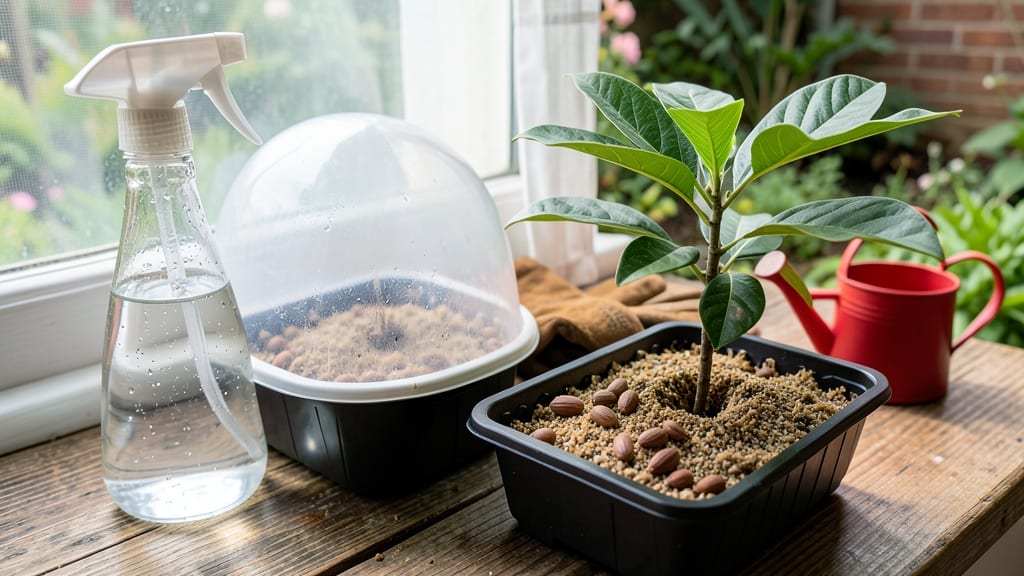
How to grow a guava tree from seed means tropical fruit in your backyard within six months. 🌱 I’ve started dozens—some thrived, some flopped—but the ones that made it produced fruit in just one growing season. The secret? Patience and the right conditions from day one.
You’ll need fresh guava seeds (from organic fruit, if possible), a small pot with drainage, and a sunny spot. Germination takes 2-4 weeks if you keep the soil warm and moist. Most beginners rush this step, but letting the seedling establish strong roots before transplanting makes all the difference.
By month 6, you’ll have a 2-3 foot sapling ready for its permanent home. The leaves will be glossy, the growth vigorous, and—if you’re lucky—the first tiny flowers might even appear. The key is consistent watering without drowning the roots and protecting young plants from strong winds.
This method works best in USDA zones 9-11, but container growing extends it to cooler climates. Even if your tree doesn’t fruit the first year, the lush foliage alone makes it worth the wait. Let’s get those seeds sprouting!
📚 In This Guide
- What you need
- Instructions
- Tips and common mistakes
- Wrapping up and next steps
What you need
- ● Guava seeds – 3–5 fresh, plump seeds (harvested from ripe guava fruit; avoid overripe or spoiled seeds).
- ● Seed-starting pots or small containers – 3–4 small pots (4–6 inches in diameter) with drainage holes, or a seed tray with individual cells.
- ● Well-draining potting mix – A lightweight blend of coco coir or peat moss (50%) + perlite or vermiculite (30%) + compost (20%). Avoid heavy garden soil.
- ● Plastic wrap or a humidity dome – To create a mini greenhouse effect for germination.
- ● Spray bottle – For gentle watering (avoid over-saturating seeds).
- ● Larger nursery pot (1–2 gallons) – For transplanting seedlings once they sprout 2–3 true leaves.
- ● Balanced fertilizer (5-5-5 or 10-10-10) – A ½ teaspoon per pot once seedlings are 3–4 inches tall.
- ● Pruning shears or scissors – For trimming seeds if needed (e.g., removing fibrous husks).
- ● pH testing kit – Ensure your soil pH is 6.0–7.0 (guavas prefer slightly acidic to neutral soil).
- ● Grow lights or sunny windowsill – Guava seeds need 6–8 hours of warm light daily for optimal growth.
- ○ Heat mat (optional) – Speeds up germination if your climate is cool (75–85°F is ideal).
- ● Mulch (straw or wood chips) – Protects young seedlings from temperature fluctuations.
Step-by-step instructions for growing guava trees from seed
Here’s how to nurture tropical guava trees from seed—with the right techniques, you’ll have sturdy young saplings in just a few months.
🌱 Step 1: Select and Prepare the Seeds
Start with fresh guava seeds—older seeds lose viability quickly. Remove them from ripe fruit, rinse off any pulp, and let them dry for 24 hours at room temperature. Guava seeds have a hard outer shell, so I soak them in warm water for 24-48 hours to soften it. This step is critical: it speeds up germination by breaking dormancy.
After soaking, place the seeds between damp paper towels in a sealed plastic bag. Store them in a warm, dark spot (75-85°F) for 3-5 days—check daily for sprouting. You’ll know it’s working when you see a tiny white root emerge. Handle seeds gently; they’re delicate at this stage.
🪴 Step 2: Plant Sprouted Seeds in Containers
Fill 4-inch pots with a well-draining mix of 50% potting soil and 50% perlite or coarse sand. This prevents root rot, which guava seedlings hate. Plant each seed ½ inch deep, leaving the sprout facing downward. Gently press the soil around it to secure the seed without compacting.
Place the pots under a grow light or in bright, indirect sunlight (no direct sun yet—it’ll scorch the tiny seedlings). Keep the soil evenly moist but never soggy. A spray bottle works best to avoid disturbing the seeds. You’ll see first true leaves in 2-4 weeks—that’s your cue to start hardening them.
☀️ Step 3: Transition to Stronger Light and Larger Pots
Once seedlings have 2-3 sets of leaves, move them to a larger 6-inch pot with fresh potting mix. Guava trees grow fast, so upgrading early prevents root-binding. Gradually introduce morning sun (2-3 hours daily) over 10 days to avoid leaf scorch. You’ll notice the stems thicken and leaves darken—this means they’re adapting.
By 3 months, your seedlings should be 12-18 inches tall. At this stage, they’re ready for full sun (6+ hours daily). If growing outdoors in a warm climate, transplant them into the ground or a 10-gallon container with drainage holes. Mulch the base to retain moisture and regulate soil temperature.
💧 Step 4: Establish Watering and Fertilizing Routines
Guava trees thrive on deep, infrequent watering—water when the top 2 inches of soil feel dry. Overwatering is the #1 killer of young guavas, so let the soil dry slightly between sessions. In containers, this usually means every 5-7 days in warm weather, less in cooler months.
Start fertilizing 2 months after transplanting with a balanced 10-10-10 fertilizer diluted to half-strength. Apply every 4-6 weeks during growing season (spring-fall). You’ll see new growth spurts after feeding—this is your signal the tree is thriving. Avoid heavy nitrogen; it promotes leafy growth at the expense of fruit production.
⏰ Step 5: Prune and Train for Strong Growth
When your guava reaches 3-4 feet tall, prune to encourage branching. Cut back the top 2-3 inches of the main stem to force side shoots. Remove any weak, leggy growth or crossing branches—this improves airflow and reduces disease risk. Prune in late winter or early spring before new growth begins.
Train the tree to a single strong trunk by staking if needed. Guava trees grow top-heavy, so support prevents snapping. By 6 months, you’ll have a sturdy sapling ready for fruiting—though it may take 2-3 more years for full harvests. Patience pays off with sweet, aromatic guavas!
Tips & tricks for growing guava trees from seed
These little-known tricks will help you skip the common pitfalls and grow a thriving guava tree from seed—without the frustration.
Seed Preparation Secret: Don't rush the 24-48 hour soak—this is where germination success begins. I've found that using warm water (around 85°F) speeds up the process, but never exceed 90°F or you risk damaging the delicate seed structure. Place a small plate under your soaking container to catch any seeds that might float to the surface. This prevents losing viable seeds that could have sprouted.
Container Strategy: The 50% potting soil to 50% perlite mix is non-negotiable for guava seedlings—it prevents that dreaded root rot. For the 4-inch pots, I recommend using pots with drainage holes AND a saucer underneath. This lets excess water drain while keeping the roots moist. Pro tip: Place a thin layer of pebbles in the saucer to prevent the roots from sitting in standing water.
Light Transition Technique: When you're ready to move seedlings to morning sun (2-3 hours daily) over 10 days, I suggest starting with just 30 minutes on the first day. Gradually increase by 30 minutes each subsequent day. Watch for leaves that look slightly pale or limp—they're telling you to slow down. Guava seedlings are particularly sensitive to sudden light exposure, which can cause irreversible damage.
Fertilizer Timing: The instructions mention starting fertilizer 2 months after transplanting, but here's what nobody tells you: Guava trees are sensitive to salt buildup from fertilizers. Always water thoroughly 24 hours before and 24 hours after applying fertilizer to help prevent salt accumulation. I also recommend using a rainwater collection system if possible—guava trees prefer the natural mineral balance of rainwater over tap water.
Pro Tips for Grow Guava Tree From Seed
- These little-known tricks will help you skip the common pitfalls and grow a thriving guava tree from seed—without the...
- Seed Preparation Secret: Don't rush the 24-48 hour soak—this is where germination success begins. I've found that usi...
- Container Strategy: The 50% potting soil to 50% perlite mix is non-negotiable for guava seedlings—it prevents that dr...
Frequently asked questions
Got questions about growing guava from seed? You’re not alone! Here are some of the most common concerns—plus quick, practical answers to help you succeed.
How long does it take for a guava seed to sprout?
A guava seed typically sprouts within 10 to 21 days if kept in warm, moist conditions (around 70–85°F). Patience is key—some seeds may take longer, especially if the soil is too dry or cold. Keep the soil consistently damp and place the pot in a sunny spot to speed things up!
Can I grow a guava tree indoors?
Yes, but with limitations. Guava trees thrive outdoors in tropical climates, but you can start them indoors in a bright, sunny window or under grow lights. Once seedlings are 6+ inches tall, transplant them outdoors (if your climate allows) or keep them in a large pot with drainage holes. Just know they’ll need plenty of sunlight—at least 6+ hours daily—to fruit well.
Will my homegrown guava tree produce fruit?
It’s possible, but not guaranteed! Guava trees grown from seed may take 3–5 years to bear fruit, and the quality can vary. For faster, more reliable fruit production, consider grafting a known variety onto your seedling later. If you’re patient, though, your tree might surprise you with sweet, aromatic guavas!
What should I do if my guava seedling gets pests?
Common pests like aphids, spider mites, or mealybugs can attack young guava seedlings. Start with neem oil or insecticidal soap (mix 1 tsp neem oil + 1 tsp mild soap in 1 quart water) and spray the leaves. For severe infestations, rinse the plant with water to dislodge pests. Prevention tip: Keep your seedlings in well-draining soil and avoid overwatering to deter pests.
Can I grow guava from seed in cold climates?
Guava trees are tropical and need warmth year-round (USDA zones 9–11). In colder areas, grow them in large containers and move them indoors during winter. If outdoor temps drop below 32°F, the tree will likely die. For a workaround, try growing guava in a greenhouse or as a houseplant (though fruiting is unlikely indoors).
Wrapping up and next steps
Growing a guava tree from seed is a rewarding journey that connects you to nature’s bounty—and yes, you can enjoy fresh, tropical fruit in as little as six months! 🌱 With the right patience, care, and a sunny spot, you’ll nurture a thriving plant that could one day bear sweet, fragrant guavas.
Start small, stay consistent, and soon you’ll be harvesting your own homegrown harvest.
Ready to take the next step? Plant your seeds today and watch your tropical dream grow—one leaf at a time! 🌿