
Size
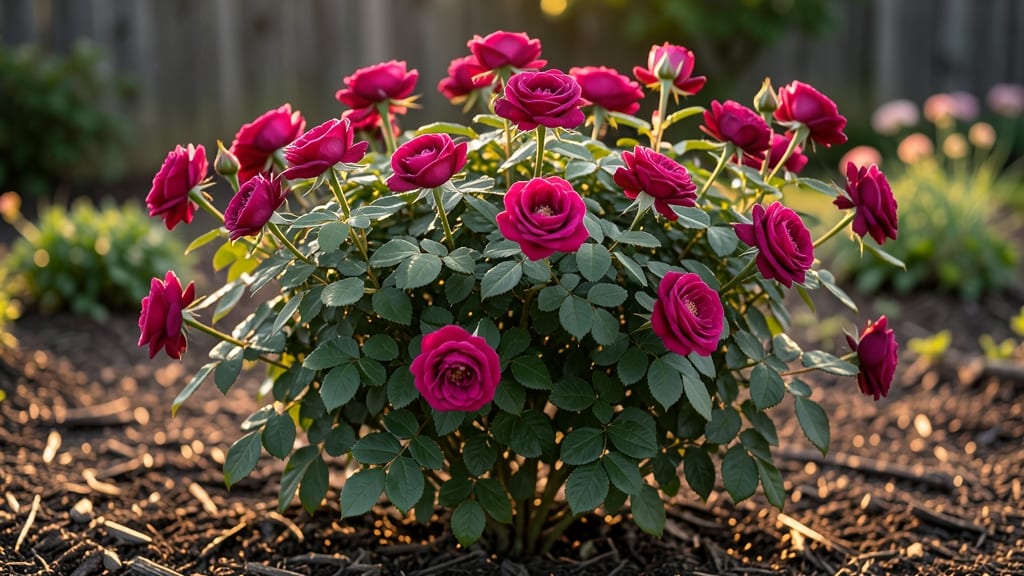
How to grow knockout rose bushes—they never quit blooming, offering year-round color with almost no fuss. 🌹 I’ve grown them for six seasons now, and they’ve outlasted every other rose in my yard, from my first overwatered disaster to these thriving bushes that bloom from spring until frost. The secret isn’t complicated: they’re bred for toughness, but they still need the right start.
Start with well-draining soil—amend heavy clay with compost—and plant in full sun (at least 6 hours daily). These roses handle heat and humidity better than most, but they’ll reward you with nonstop blooms if you keep them watered consistently (about 1 inch per week).
The pruning? Just light cleanup in early spring—no dramatic cuts needed like with traditional roses.
What you’ll end up with is a bush that looks like it belongs in a nursery, not your backyard. The blooms are disease-resistant, the growth is vigorous, and the color stays vibrant even in summer’s peak heat.
My neighbors still ask how I keep mine so lush—now I’ll share the real secret.
Works in containers or garden beds, thrives in zones 4-9, and even handles light shade better than most roses. Here’s how to make them perform like mine do—no green thumb required.
📚 In This Guide
- What you need
- Instructions
- Tips and common mistakes
- Wrapping up and next steps
What you need
- ● Knockout Rose Bushes: 1-3 plants (depending on desired coverage). Choose Rosa ‘Knock Out’ varieties like Double Knock Out or BloomStruck for extra vibrancy.
- ● High-quality potting soil or garden soil: 5-10 gallons (amend with compost for better drainage).
- ● Organic or slow-release fertilizer: 10-20-10 or rose-specific formula (follow package instructions).
- ● Mulch (pine bark or shredded leaves): 2-3 inches to retain moisture and suppress weeds.
- ● Watering can or hose with a gentle spray nozzle: 1-2 gallons per plant during dry spells.
- ● Pruning shears: Sharp, clean pair (sterilize with rubbing alcohol between cuts).
- ○ Gloves (optional but recommended): Heavy-duty gardening gloves to protect from thorns.
- ● Rose food or liquid fertilizer: For a mid-season nutrient boost (e.g., Miracle-Gro Rose & Flower Food).
- ● Plant supports or stakes: 4-6 ft tall (if your variety grows tall or needs shaping).
- ● Drip irrigation system: For automated, consistent watering (great for large gardens!).
- ● Epsom salt: 1 tablespoon per plant (occasional magnesium boost for greener foliage).
- ● Rose-specific fungicide: Preemptive treatment (e.g., Neem Oil) if your area is prone to disease.
Step-by-step instructions for growing Knockout rose bushes
Here's my foolproof method for lush, blooming Knockout roses that thrive with minimal fuss.
🌱 Step 1: Choose the Perfect Planting Location
Knockout roses demand full sun—at least 6-8 hours of direct sunlight daily. I always scout locations in late afternoon when shadows are longest to avoid overestimating light exposure. The spot should also have good air circulation to prevent fungal diseases, which Knockouts are surprisingly prone to despite their name.
Check soil drainage by digging a 12-inch hole and filling it with water. If it doesn't drain within 4-6 hours, amend the soil with 3-4 inches of compost and 1-2 inches of coarse sand mixed into the top 12 inches of soil. Knockouts tolerate a wide pH range (5.5-7.0), but 6.0-6.5 gives the best performance.
🪴 Step 2: Plant at the Right Depth and Spacing
Dig a hole twice as wide as the root ball but no deeper—Knockouts hate having their graft union buried. The top of the root ball should sit 1-2 inches above ground level after backfilling. Space 4-5 feet apart for single bushes or 3-4 feet apart for hedgerows, giving them room to mature without crowding.
Remove the plant from its container and loosen any circling roots gently with your fingers. Place it in the hole so the graft union (the swollen area near the base) is 2-3 inches above soil level. This prevents root rot and ensures strong regrowth. Backfill with native soil mixed with 1 cup of bone meal for phosphorus to encourage root development.
💧 Step 3: Water Deeply and Mulch Properly
Water deeply immediately after planting—soak the root zone until water runs out the bottom of the hole (10-15 gallons per bush). Knockouts establish roots quickly but need consistent moisture during their first 2-3 weeks to avoid transplant shock. After that, water 1-2 times per week, providing 1-2 gallons per bush depending on rainfall.
Apply 2-3 inches of mulch (wood chips or shredded bark) around the base, keeping it 3-4 inches away from the stem to prevent rot. Mulch conserves moisture, regulates soil temperature, and suppresses weeds—all critical for Knockouts, which bloom continuously. Replenish mulch annually in late winter to maintain its benefits.
✂️ Step 4: Prune Strategically for Year-Round Blooms
Knockouts are famous for their minimal pruning needs, but I still do light shaping in early spring (just as buds swell) to remove dead, crossing, or weak stems. Cut back to an outward-facing bud just above a 5-leaflet leaf to encourage strong growth. Avoid heavy pruning—Knockouts bloom on both old and new wood, so aggressive cuts reduce summer flowers.
Deadhead spent blooms regularly (every 2-3 weeks) to redirect energy into new flowers. Use clean, sharp pruners to make 45-degree cuts just above a leaf node. In late fall, trim back 1/3 of the oldest canes to rejuvenate the bush and improve airflow. Disinfect pruners with rubbing alcohol between cuts to prevent disease spread.
☀️ Step 5: Feed and Protect for Continuous Color
Apply a balanced rose fertilizer (10-10-10) in early spring and again in mid-summer, following package rates. Knockouts are forgiving but respond best to regular feeding—I use a slow-release granular fertilizer for convenience. Avoid high-nitrogen fertilizers, which promote leafy growth at the expense of blooms. Water thoroughly after feeding to prevent root burn.
Watch for black spot (dark spots on leaves) or powdery mildew (white powdery coating). At the first sign, spray with neem oil or a fungicide labeled for roses, and improve airflow by pruning interior branches. Knockouts are disease-resistant but not immune—prevention is key. In winter, protect young bushes with 4-6 inches of mulch and a burlap wrap if temperatures drop below 10°F.
Tips & tricks for perfect Knockout rose bushes
These simple yet powerful strategies will help you grow Knockout roses that thrive year after year with minimal fuss.
Sunlight Strategy: While the instructions call for 6-8 hours of direct sunlight daily, I’ve found that Knockout roses actually perform best when they receive sunlight from early morning until late afternoon. Morning sun helps dry dew quickly, reducing fungal risks, while afternoon sun provides the energy they need for continuous blooming. If you notice leaves yellowing or flowers wilting in midday heat, consider providing afternoon shade during extreme summer heatwaves.
Root Development Hack: The handful of bone meal mentioned in Step 2 is a game-changer for establishing strong roots. I like to mix in an extra tablespoon of mycorrhizal fungi (available at garden centers) with the bone meal—this beneficial soil fungus helps roots absorb nutrients more efficiently. This optional addition isn't necessary but can give your roses a head start, especially in poor or compacted soil.
Watering Wisdom: That 1 inch of water weekly guideline works perfectly in most climates, but I’ve learned to adjust based on seasonal needs. During the first growing season, water every 3-4 days to help establish roots, then taper to weekly as the plant matures. Always water at the base rather than overhead—this prevents fungal spores from splashing onto leaves. A soaker hose is ideal, but if you don’t have one, use a watering can with a long spout to direct water precisely where it’s needed.
Pruning Precision: When cutting back one-third of the oldest canes in early spring, I look for canes that are thinner than a pencil or show signs of woodiness. Make cuts just above an outward-facing bud at a 45-degree angle—this encourages better growth patterns. For the light pruning after blooms, I aim to remove about one-third of the spent flowers to maintain shape while leaving some blooms to set hips for winter interest.
Pro Tips for Grow Knockout Rose Bushes
- These simple yet powerful strategies will help you grow Knockout roses that thrive year after year with minimal fuss.
- Sunlight Strategy: While the instructions call for 6-8 hours of direct sunlight daily, I’ve found that Knockout roses actually perform best when they receive sunlight from early morning until late afternoon.
- Root Development Hack: The handful of bone meal mentioned in Step 2 is a game-changer for establishing strong roots.
Frequently asked questions
Growing Knockout roses is rewarding, but new gardeners often have questions about care, timing, and troubleshooting. Here are answers to the most common ones!
How often should I water my Knockout rose bushes?
Water deeply 1-2 times per week (more in extreme heat). Aim for 1-1.5 inches of water per week, ensuring the soil is moist but not soggy. Knockout roses are drought-tolerant once established, but consistent moisture encourages vibrant blooms. Learn more about watering techniques.
When is the best time to prune Knockout roses?
Prune in early spring (March-April) before new growth starts. Lightly trim dead or crossing branches in late winter to prevent disease. Avoid heavy pruning in fall—it can stimulate tender growth that may not survive winter. See a step-by-step pruning guide.
What pests or diseases should I watch for?
Knockout roses are disease-resistant, but watch for black spot (dark spots on leaves) or Japanese beetles. Treat black spot with fungicide; handpick beetles or use neem oil. Always remove fallen leaves to reduce fungal risks. Explore organic pest control tips.
Can Knockout roses survive winter in cold climates?
Yes! They’re hardy in USDA Zones 4-9. Mulch the base with 3-4 inches of organic mulch (like wood chips) after the first frost. In Zone 4, add extra mulch or a burlap wrap for severe winters. Discover winter prep tips.
Are Knockout roses good for containers?
Yes! Choose a 5-gallon container or larger with drainage holes. Use a well-draining potting mix and fertilize monthly with a balanced rose food. Containers dry out faster, so water every 2-3 days in hot weather. Find container gardening hacks.
Why aren’t my Knockout roses blooming as much as expected?
Check for over-fertilizing (too much nitrogen), poor sunlight (they need 6+ hours of sun), or underwatering. Deadhead spent blooms to encourage more flowers. If blooms are sparse, adjust care and monitor for pests/diseases. Troubleshoot blooming issues.
Wrapping up and next steps
Growing Knockout rose bushes is a rewarding way to add vibrant, low-maintenance color to your garden all year long! With the right soil, sunlight, and a little care, these hardy plants thrive with minimal fuss.
Remember, consistent watering, seasonal pruning, and a touch of fertilizer are your best friends for lush blooms.
Now that you’re armed with the know-how, roll up your sleeves and get planting! Start with just one bush, or go all out—either way, you’ll enjoy months of stunning flowers with less work than you’d expect. Happy gardening! 🌸✨