
Container Gardens
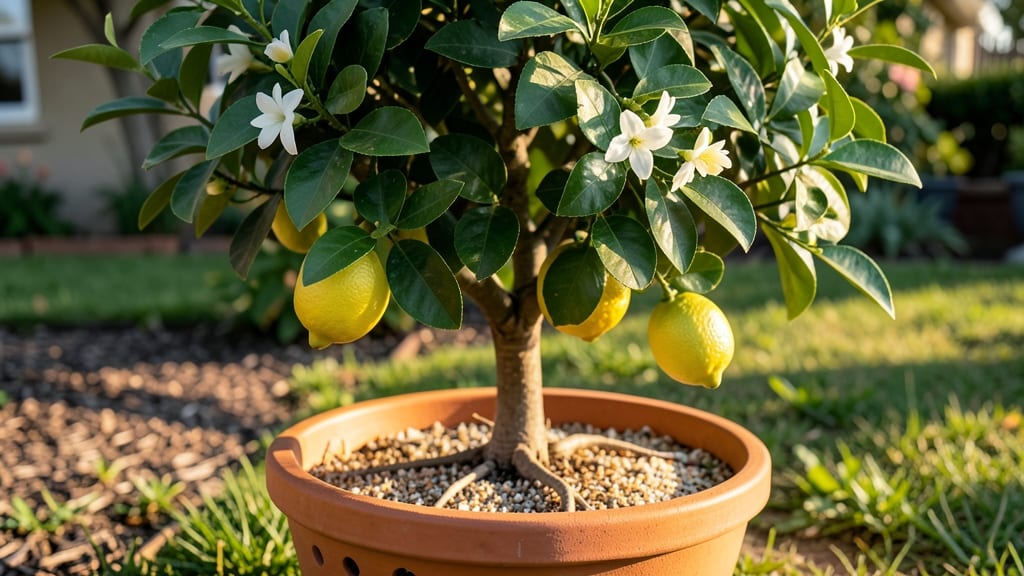
How to grow a Meyer lemon tree in a container means fresh citrus year-round, even on a tiny balcony. 🌿 The secret isn't complicated—it's about matching the tree's needs to your space with the right pot, soil, and sunlight. I've grown mine for three years now, and it's finally heavy enough to need a rolling stand, but the lemons? Those are the real reward. Start with a pot at least 18 inches wide (they need room to grow) and drainage holes—root rot is the silent killer of container citrus. Use a mix of potting soil, perlite, and compost to keep roots happy and water flowing right. Most people overwater, so let the top inch dry between drinks, and watch for that telltale droop when it's thirsty. By summer, you'll be harvesting lemons that smell like sunshine and taste sweeter than anything from the store. The tree stays compact, the fruit keeps coming, and you avoid the frost struggles that ground-planted citrus faces. Pruning in late winter keeps it shaped and productive—just snip back any leggy growth and you're golden. Works for patios, kitchens, or sunrooms—just keep it near a window that gets 6+ hours of light daily. Here's how to set it up right the first time.
📚 In This Guide
- What you need
- Instructions
- Tips and common mistakes
- Wrapping up and next steps
What you need
- ● Container: A 5-gallon or larger pot (minimum 12–18 inches deep) with drainage holes. Terracotta or fabric pots work best.
- ● Well-draining potting mix: A blend of cactus/succulent mix (60%) + perlite/pumice (20%) + compost (20%).
- ● Meyer lemon tree: A 1–2 year old nursery-grown sapling (check for pests/diseases before buying!).
- ● Slow-release fertilizer: A citrus-specific granular or liquid fertilizer (look for high nitrogen (N) + potassium (K)).
- ● Watering can or hose with gentle spray nozzle: Avoid overwatering—containers dry out fast!
- ● Pruning shears: Sharp, sterilized shears for shaping and harvesting.
- ○ Support stake or trellis (optional but helpful): If your tree grows tall, a bamboo stake or small trellis keeps it stable.
- ● Self-watering pot: Reduces maintenance if you travel often.
- ● Grow lights: For winter months if sunlight is scarce (LED full-spectrum bulbs work best).
- ● Citrus food supplements: Epsom salt (for magnesium) or seaweed extract for extra nutrients.
- ● Mulch (gravel or bark): Helps retain moisture and regulate soil temp.
- ● Humidity tray: A pebble tray with water boosts humidity—great for dry climates.
- ● Harvesting basket: A small mesh bag to collect lemons without bruising them.
Step-by-step instructions for growing a Meyer lemon tree in a container
Here’s how to grow a thriving Meyer lemon tree at home—even in small spaces.
🪴 Step 1: Choose the Right Container and Drainage
Start with a 5-gallon pot or larger (at least 12-18 inches deep) for your Meyer lemon tree. The root system needs room to spread, and shallow pots restrict growth. I like unglazed terra cotta because it breathes—preventing root rot—but plastic works too if you drill extra drainage holes.
Place 3-4 inches of gravel or broken pottery at the bottom before adding soil. This ensures water drains freely and doesn’t pool around roots. If you skip this, soggy soil will suffocate the roots within weeks. Test drainage by filling the pot with water—it should empty completely within 10-15 minutes.
🌱 Step 2: Plant in Well-Draining Soil and Position for Sun
Fill the pot with a mix of equal parts potting soil, perlite, and compost. Meyer lemons hate soggy roots, so avoid garden soil—it compacts and holds too much moisture. Gently remove the tree from its nursery pot and place it in the center, ensuring the root flare (where roots meet trunk) sits just above soil level.
Pack soil lightly around the roots, then water deeply until it drains from the bottom. Position the tree in a spot with 6-8 hours of direct sunlight daily. A south-facing window or patio works, but if you’re indoors, supplement with a grow light (12-14 hours/day). You’ll know it’s getting enough light when new leaves stay bright green, not yellow or pale.
💧 Step 3: Water and Fertilize for Healthy Growth
Water when the top 1-2 inches of soil feel dry—stick your finger in to check. Overwatering is the #1 killer of container citrus. In summer, this might mean every 2-3 days; in winter, once a week or less. Always water until it drains from the bottom, then empty the saucer to prevent root rot.
Feed every 4-6 weeks with a balanced citrus fertilizer (like 6-6-6 or 8-3-9). I dilute it to half-strength the first year to avoid burning tender roots. You’ll see faster growth and thicker foliage within a few months—just don’t overdo it. Yellow leaves often mean too much fertilizer, not enough.
✂️ Step 4: Prune for Shape and Fruit Production
Prune in late winter or early spring before new growth starts. Remove dead, crossing, or inward-growing branches first—these steal energy from fruit production. Use clean, sharp pruners to make cuts just above a leaf node (where new growth can sprout).
Shape the tree by trimming back leggy growth to encourage bushier growth. Never cut more than 1/3 of the tree at once, or it’ll go into shock. After pruning, give it a light fertilizer boost to recover. You’ll notice more branches with flowers (and eventually fruit) within 6-8 weeks.
⏰ Step 5: Overwinter and Protect from Cold
Meyer lemons thrive in USDA Zones 9-11, but if you live in colder areas, move the pot indoors before temperatures drop below 40°F. Place it near a sunny window or under grow lights. Reduce watering to every 2-3 weeks—the tree’s growth slows in winter, so it needs less moisture.
Watch for brown leaf tips—this usually means dry air from indoor heating. Mist the leaves occasionally or place the pot on a pebble tray with water to add humidity. With proper care, your tree can live for decades and produce fruit year-round.
Tips & tricks for growing a thriving Meyer lemon tree in containers
These simple strategies will help your Meyer lemon tree flourish and produce fruit for years to come.
Container Upgrade: If your tree outgrows its pot (after 2-3 years), move it up to a 7-10 gallon container—just make sure it has drainage holes. I’ve seen trees in 5-gallon pots for years, but they grow more vigorously with extra space. The key is to upgrade gradually, not suddenly, to avoid shocking the roots.
Lighting Hack: If you’re growing indoors, place your tree within 1-2 feet of the brightest window—south-facing is ideal. For grow lights, use a full-spectrum LED bulb (like those designed for seedlings) and keep it 6-12 inches above the tree. Rotate the pot weekly so all sides get even light exposure.
Fertilizer Timing: The 4-6 week feeding schedule works best when timed with new growth. In spring and summer, I fertilize every 4 weeks; in fall and winter, stretch it to 6 weeks. Always water thoroughly before applying fertilizer to prevent root burn. If you see yellow leaves, cut back to every 8 weeks until they return to green.
Pruning Pro Tip: When pruning, look for branches growing toward the center of the tree—these create shade and reduce fruit production. Cut them back to an outward-facing leaf node, and you’ll encourage more sunlight penetration. I also prune any suckers (small shoots at the base) to keep energy focused on the main structure.
Pro Tips for Grow Meyer Lemon Tree In Container
- These simple strategies will help your Meyer lemon tree flourish and produce fruit for years to come.
- Container Upgrade: If your tree outgrows its pot (after 2-3 years), move it up to a 7-10 gallon container—just make sure it has drainage holes.
- Lighting Hack: If you’re growing indoors, place your tree within 1-2 feet of the brightest window—south-facing is ideal.
Frequently asked questions
about growing a Meyer lemon tree in a container—because even citrus experts need a little help sometimes!How much sunlight does a Meyer lemon tree in a container really need?
A Meyer lemon tree thrives with 6–8 hours of direct sunlight daily. If you’re in a shadier climate, supplement with a grow light (12+ hours) to prevent weak growth. South-facing windows or balconies are ideal, but avoid harsh afternoon sun in hot zones—partial shade can help.
Can I keep my container lemon tree indoors year-round?
Yes, but with caveats! Meyer lemons tolerate indoor life, but they need bright light, humidity (try a pebble tray), and occasional outdoor time (like a sunny patio in spring/fall). If indoors, watch for leggy growth—this means it’s not getting enough light. A sunny windowsill isn’t enough; consider a grow light.
Why are my Meyer lemon tree’s leaves turning yellow?
Yellow leaves usually signal overwatering, underwatering, or nutrient deficiency. Check the soil—it should be slightly moist but not soggy. Yellowing edges? Likely low humidity or fluoride buildup (use filtered water). Brown spots? Too much sun or salt buildup (flush soil with water).
What’s the best container size for a Meyer lemon tree?
Start with a 5-gallon pot for young trees and upgrade to 15–20 gallons as it matures. Ensure it has drainage holes—root rot is a silent killer! Deeper pots (18"+) encourage stronger root growth. Terracotta pots wick away moisture, while plastic retains heat better in cold snaps.
When will my container-grown Meyer lemon tree bear fruit?
Patience, citrus lover! With proper care, expect first fruits in 2–3 years (sometimes sooner!). Trees need full sun, consistent water, and a few years to establish roots. For faster results, choose a grafted tree (they fruit earlier than seeds). Chill hours (below 50°F) in winter also trigger blooming—mimic this with a cool indoor spot if needed.
How do I overwinter my container lemon tree?
Meyer lemons hate frost—bring them indoors before temps drop below 40°F. Reduce watering, avoid fertilizing, and place near a bright window or grow light. If outdoors, wrap the pot in bubble wrap or a frost blanket and move to a sheltered spot. Resume normal care in spring!
Wrapping up and next steps
Growing a Meyer lemon tree in a container is a rewarding journey that brings fresh, fragrant citrus straight to your doorstep—literally! 🌿 With the right sunlight, well-draining soil, and a little patience, you’ll enjoy sweet lemons year-round, even in small spaces.
Whether you’re a beginner or a seasoned gardener, your container-grown tree is just a few prunings and harvests away from becoming your kitchen’s star.
Ready to take the next step? Start small—choose your pot, plant your seedling, and watch it thrive! Soon, you’ll be savoring homegrown lemons in teas, desserts, or zesty marinades. Your citrus adventure begins today—happy growing! 🍋✨