
Size
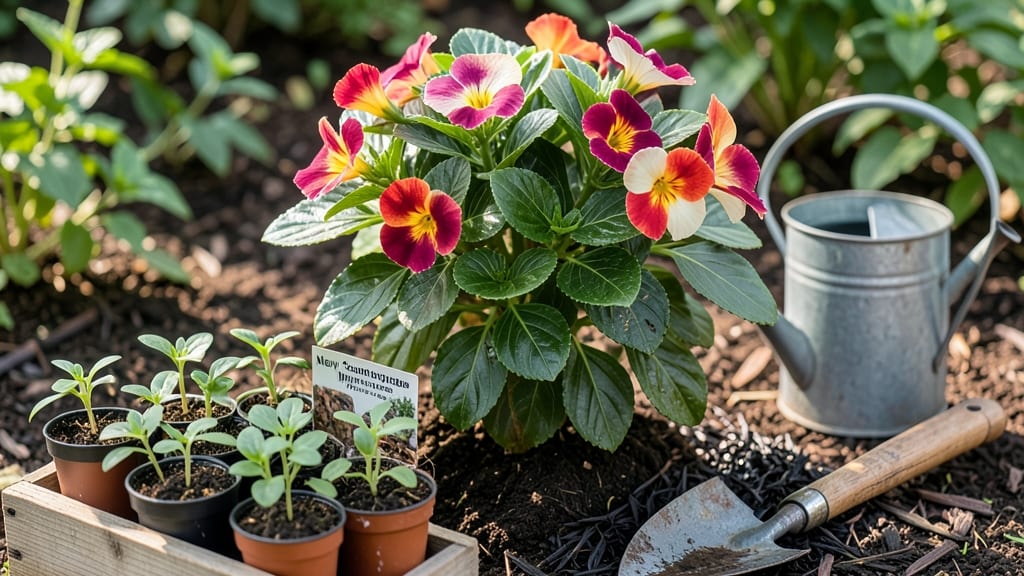
How to grow New Guinea impatiens means unlocking bold, tropical blooms even in shady spots. 🌿 I’ve battled leggy, sparse-flowering impatiens before—until I learned their secret: they’re not your grandma’s impatiens. These thrive where others fail, but only if you nail their three key needs: bright indirect light, rich soil, and consistent moisture. Skip any of those, and you’ll end up with sad, spindly plants instead of those showstopping blooms.
The good news? They’re beginner-friendly once you know the rules. Start with well-draining potting mix (no soggy roots here), plant in containers or garden beds with morning sun and afternoon shade, and keep soil moist like a damp sponge.
Fertilize lightly every 4-6 weeks with a balanced formula—these plants gobble nutrients but hate heavy feeding. Within 6-8 weeks, you’ll see those glossy leaves and vibrant blooms take over, outshining even sun-loving annuals.
What makes them worth the fuss? Year-round color in zones 10-11, and heat tolerance that surprises most gardeners. Mine still bloom in 90°F heat as long as they’re protected from harsh afternoon sun.
The secret’s in their thick, waxy leaves—nature’s built-in sunscreen. Plus, they’re deer-proof and resistant to most pests, so you won’t waste time fighting off critters.
Fair warning: they’re not drought-tolerant. Let the soil dry out even slightly, and you’ll see wilting faster than you can say “underwatered.” But get their care right, and you’ll have nonstop blooms from spring to frost—without the fuss of deadheading. Here’s how to keep them thriving all season long.
📚 In This Guide
- What you need
- Instructions
- Tips and common mistakes
- Wrapping up and next steps
What you need
- ● New Guinea Impatiens seeds or seedlings: Choose disease-resistant varieties like 'Super Elfin' or 'Accent' for best results. Quantity: 1-2 plants per 12-inch space (or follow seed packet instructions).
- ● Well-draining potting mix: A blend of peat moss, perlite, and compost (ratio: 2:1:1). Avoid heavy garden soil.
- ● Containers or garden bed: Containers: 12-16 inch pots with drainage holes (1 per plant).
- ● Garden beds: Partial to full shade with moist, fertile soil (pH 6.0-6.5).
- ● Slow-release fertilizer: Balanced 10-10-10 or fish emulsion (follow label for application rates).
- ● Mulch: Organic mulch (e.g., shredded bark) to retain moisture and suppress weeds.
- ● Watering can or hose with a gentle spray nozzle: New Guinea Impatiens love consistent moisture.
- ● Hand trowel or small shovel for transplanting.
- ● Pruning shears (for trimming leggy stems).
- ● pH testing kit (to monitor soil acidity).
- ● Grow lights (if starting seeds indoors).
- ● Support stakes or cages (for taller varieties).
Step-by-step instructions for growing new Guinea impatiens
Here’s how to coax vibrant, shade-loving blooms from these tropical favorites—no greenhouse needed.
🌱 Step 1: Choose the Right Location and Prepare the Soil
New Guinea impatiens thrive in partial to full shade, with 4-6 hours of dappled sunlight at most. I always plant mine under tall trees or on north-facing porches where leaves filter harsh afternoon rays. The soil should be moist, well-draining, and rich in organic matter—think of it as a cross between a rainforest understory and a lush woodland floor.
Work in 2-3 inches of compost or aged manure into the top 6-8 inches of soil before planting. These plants are heavy feeders, so don’t skimp on nutrients. If your soil drains poorly, amend it with perlite or coarse sand to prevent root rot. A quick soil test for pH (aim for 6.0-6.5) ensures your plants can uptake nutrients efficiently.
🌿 Step 2: Plant Transplants at the Correct Depth and Spacing
New Guinea impatiens come as 4-inch pots from nurseries, and I never rush transplanting them. Handle the roots gently—these plants are tender and bruise easily. Dig a hole twice as wide as the root ball but only as deep as the pot’s original soil line. Pressing the soil too firmly around the roots can suffocate them.
Space plants 12-18 inches apart—closer spacing works in containers, but in garden beds, give them room to breathe. Water deeply right after planting to settle the soil and eliminate air pockets. Mulch with 2-3 inches of shredded bark or pine needles to retain moisture and suppress weeds. Avoid fresh mulch, which can draw nitrogen away from your plants.
💧 Step 3: Water Consistently and Fertilize for Continuous Blooms
These impatiens hate drying out, so I water them every 2-3 days in hot weather, checking that the top 1-2 inches of soil stay moist (but not soggy). Overhead watering can cause fungal issues, so I use a soaker hose or drip irrigation to deliver water at the base. In containers, water when the soil feels light and dry to the touch—they dry out faster in pots.
Feed them every 2 weeks with a balanced liquid fertilizer (10-10-10 or 20-20-20) diluted to half strength. I swear by a slow-release granular fertilizer applied in early spring to kickstart growth. Stop fertilizing in late summer to encourage blooming over leafy growth. Deadhead spent flowers regularly—this isn’t just for looks, it redirects the plant’s energy into producing bold new blooms instead of seed pods.
✂️ Step 4: Prune and Maintain for Bushier Growth
Pinching back the top set of leaves when plants are 6-8 inches tall encourages branching and a fuller habit. I do this every 2-3 weeks during the growing season to keep the plant compact and flowering heavily. Avoid shearing—it can stress the plant—opt for selective pruning of leggy stems instead.
Watch for aphids or spider mites, which love the tender new growth. A strong spray of water usually knocks them off, but for stubborn infestations, I treat with neem oil in the evening when bees aren’t active. If leaves yellow between veins, it’s likely iron deficiency—apply a chelated iron supplement to the soil and water deeply.
☀️ Step 5: Protect and Prepare for Seasonal Changes
New Guinea impatiens are tender perennials and won’t survive frost. In fall, when temperatures dip below 50°F at night, I either dig up containers and overwinter them indoors under grow lights or cut back garden plants to 4 inches tall and mulch heavily. They’ll go dormant but can be replanted in spring.
For a second flush of blooms in late summer, give them a light trim and a monthly feeding of phosphorus-heavy fertilizer (like 5-10-5). This tricks them into thinking it’s spring again. If you’re in a warm climate, they’ll bloom nearly year-round with consistent care—just keep the soil moist and the shade dappled.
Tips & tricks for thriving new Guinea impatiens
Real talk: These tropical beauties demand attention to detail, but the payoff—bold blooms all season—is worth every effort. Here's how to avoid the rookie mistakes that turn vibrant potential into sad, leggy stems.
Light Balance: That "4-6 hours of dappled sunlight" isn't just a suggestion—it's a non-negotiable range. Too much direct sun causes leaf scorch, while too little shade makes them stretch pitifully. I test my spots by placing a white sheet over potential locations during peak afternoon sun. If the sheet stays cool to the touch, it's perfect. For containers, rotate them weekly so all sides get even light exposure.
Soil Science: The "moist, well-draining" part is critical—these plants wilt faster than a wilting houseplant if their roots suffocate. I always mix in perlite or coarse sand when amending heavy clay soil, creating pockets for air while maintaining that tropical moisture. Pro tip: Add a handful of worm castings to your compost mix—they're packed with nutrients these heavy feeders crave. The pH test isn't optional either; I've seen impatiens struggle in soil that tested 5.5 when they needed 6.0-6.5.
Watering Wisdom: The "every 2-3 days" guideline shifts with seasons and containers. In summer heat, I check soil moisture twice daily—stick your finger in the top 1-2 inches. If it's dry, water deeply until it runs out the drainage holes. For containers, I weigh them first: when a 5-gallon pot feels noticeably lighter than when full, it's time to water. The soaker hose isn't just about delivery—it prevents fungal issues by keeping foliage dry, which is especially important after fertilizing.
Pruning Payoff: That pinch-back at 6-8 inches isn't just about shape—it's about triggering lateral buds to wake up. I use clean, sharp scissors (disinfected with rubbing alcohol) and make cuts just above a leaf node. For stubborn leggy stems, I do a "third cut" technique: remove about one-third of the stem length, which often triggers bushier regrowth. And here's what nobody tells you: the spent blooms you deadhead? Save them in a paper bag in the freezer for 24 hours, then compost them—they'll break down faster than fresh clippings.
Pro Tips for Grow New Guinea Impatiens
- Real talk: These tropical beauties demand attention to detail, but the payoff—bold blooms all season—is worth every e...
- Light Balance: That "4-6 hours of dappled sunlight" isn't just a suggestion—it's a non-negotiable range. Too much dir...
- Soil Science: The "moist, well-draining" part is critical—these plants wilt faster than a wilting houseplant if their...
Frequently asked questions
about growing New Guinea Impatiens—because even shade-loving superstars need a little extra care!Can New Guinea Impatiens grow in full shade?
Yes! These plants thrive in partial to full shade (2–6 hours of sunlight daily). Too much direct sun can scorch their leaves, while deep shade may reduce blooms. Aim for bright, indirect light—like under trees with dappled sunlight.
How long does it take for New Guinea Impatiens to bloom?
With proper care, you’ll see colorful blooms in 8–12 weeks after planting. Pinch back leggy stems early to encourage bushier growth and more flowers. Pro tip: Use a slow-release fertilizer to speed up the process!
What pests commonly attack New Guinea Impatiens?
Watch for aphids, spider mites, and whiteflies—they love these tender plants! Blast off pests with a hose spray or use neem oil. For severe infestations, insecticidal soap works well. Prevention tip: Keep plants healthy with consistent watering and airflow.
Can I grow New Guinea Impatiens in containers?
They’re perfect for pots (choose containers with drainage holes). Use a well-draining potting mix and fertilize every 2–4 weeks. Just ensure they get enough shade—containers dry out faster, so water frequently in hot weather.
Why are my New Guinea Impatiens wilting or drooping?
Wilting usually means overwatering or underwatering. Let the top inch of soil dry out between waterings, but avoid soggy roots. Check for root rot if leaves turn yellow. Adjust watering and ensure pots have drainage—happy roots = happy blooms!
Wrapping up and next steps
Growing New Guinea Impatiens is a rewarding way to bring vibrant, shade-loving blooms to your garden—just follow the right steps! With the right soil, sunlight, and care, these bold beauties will thrive and keep your space lively all season. 🌿✨
Now that you’re armed with the knowledge, take the first step and pick your spot—whether it’s a shady patio, balcony, or garden bed. Plant your impatiens, and soon, you’ll be enjoying a burst of color that even the sun can’t dim. Happy gardening!