
Propagation
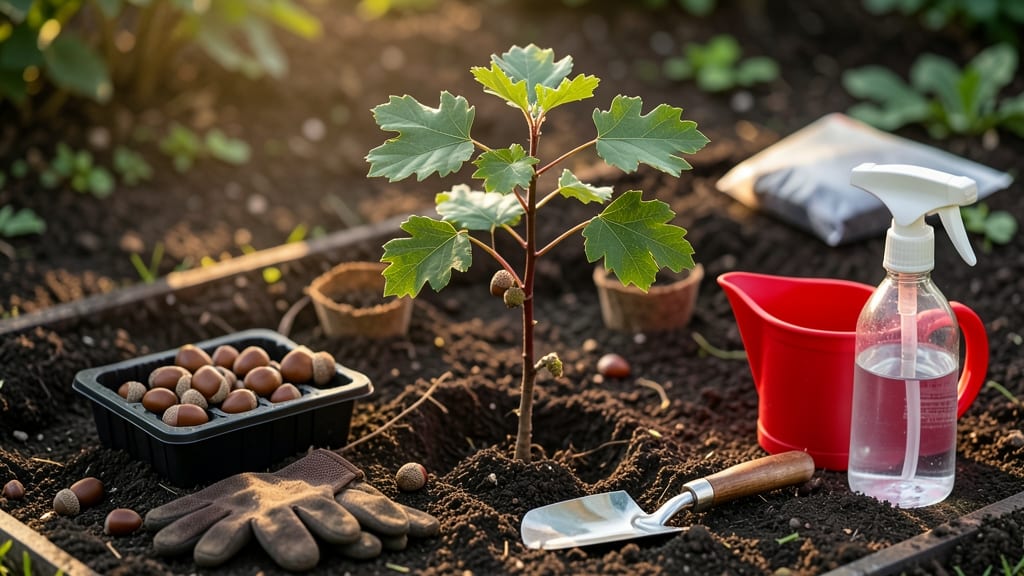
How to grow an oak from seed starts with that first acorn in your palm—tiny, but packed with centuries of growth potential. 🌱 Growing oak trees from seed is a long game—think decades—not years. The real magic happens in the waiting: proper stratification, the right soil, and a patient approach that rewards you with towering shade trees or future timber.
You'll need acorns from mature, healthy oaks (preferably white or red), a cold stratification period to break dormancy, and a sunny planting site with well-draining soil. The process isn't quick—germination can take months—but each step builds toward that first true leaf, then sturdy sapling.
My first oakling took three months just to crack through the soil.
Once you see those first leaves, growth slows to a crawl. But that's the point—oaks develop deep roots and strong trunks over time. With proper care, your seedling could become a 100-foot giant in 50 years. The key is consistency: watering, mulching, and protecting young trees from deer and frost.
This isn't a project for impatient gardeners, but for those who love watching nature unfold. Start now, and your great-grandchildren might enjoy the shade you planted. The real reward? Knowing you grew something that will outlive you—and then some.
📚 In This Guide
- What you need
- Instructions
- Tips and common mistakes
- Wrapping up and next steps
What you need
- ● Fresh oak acorns: Collect 10–20 healthy, mature acorns (avoid shriveled or worm-eaten ones). Harvest them in fall (September–October) when they’re fully ripe but still firm.
- ● Containers: 4–6 small pots (3–4 inches deep) with drainage holes, or a shallow tray lined with paper towels for stratification.
- ● Potting mix: A well-draining blend (e.g., 50% peat moss or coconut coir + 50% perlite/sand). Avoid heavy garden soil.
- ● Stratification supplies: Plastic bag or airtight container (for cold-moist stratification), or
- ● A refrigerator (set to 35–40°F for 6–12 weeks).
- ● Watering can or spray bottle: For gentle hydration (avoid soaking!).
- ● Clear plastic wrap or humidity dome: To retain moisture during germination.
- ● Sunlight access: A bright, indirect light spot (e.g., south-facing window or grow light).
- ● Pruning shears: For trimming acorn caps (if needed).
- ● pH testing kit: To check soil pH (ideal: 6.0–7.0 for oaks).
- ● Fertilizer: A balanced, slow-release fertilizer (10-10-10) for seedlings (use sparingly!).
- ● Thermometer: To monitor stratification temps (if not using a fridge).
- ● Transplanting tools: Small trowel for moving seedlings outdoors.
Step-by-step instructions for growing oak trees from acorns
Oak trees take decades to mature, but these steps ensure you start with the strongest possible seedlings.
🌱 Step 1: Collect and Stratify Acorns for Germination
Gather acorns in late fall from healthy, mature oak trees—look for plump, intact nuts with no cracks or insect holes. I store them in a breathable container like a mesh bag in the refrigerator for 90-120 days to complete cold stratification. This mimics winter conditions and breaks dormancy. Check acorns monthly to remove any that sprout early—they need that full cold period.
After stratification, soak the acorns in lukewarm water for 24 hours to rehydrate. The outer cap should soften slightly, making it easier for the radicle to emerge. Plant them within 24 hours of soaking, as they dry out quickly once exposed to air.
🪴 Step 2: Plant Acorns in Containers with Well-Draining Soil
Fill 4-inch pots with a mix of 50% potting soil and 50% coarse sand or perlite to prevent root rot. Plant two acorns per pot at a depth of about 1 inch, leaving the pointed end up. I use clear plastic containers so I can monitor root development without disturbing the seedlings.
Keep the soil consistently moist but never soggy—oaks hate waterlogged roots. A spray bottle works best for gentle watering. Place the pots in a shady, humid location (like a greenhouse or under a tree) where temperatures stay between 60-75°F. Germination can take 4-12 weeks, so patience is key.
☀️ Step 3: Transplant Seedlings to Larger Pots for Root Development
Once seedlings reach 6-8 inches tall with two sets of true leaves, transplant them to 1-gallon containers using the same soil mix. Handle the roots carefully—oaks develop deep taproots early, so avoid bending or breaking them. I add a slow-release fertilizer (like 10-10-10) at this stage to support early growth.
Move the pots to partial shade (morning sun only) for the first year. Oak seedlings are sensitive to intense sunlight, which can scorch their delicate leaves. Water deeply once a week, letting the top 2 inches of soil dry out between waterings. This teaches them drought tolerance early.
⏰ Step 4: Acclimate Seedlings to Outdoor Conditions
After 12-18 months, when seedlings are 2-3 feet tall, begin hardening them off. Place them outside in a sheltered spot for 2 hours daily, gradually increasing exposure over 2 weeks. Choose a location with dappled sunlight—young oaks still need protection from harsh afternoon rays.
Plant them in the ground in early spring or fall, spacing them 10-15 feet apart to allow for future growth. Dig a hole twice as wide as the root ball but no deeper. Backfill with native soil, tamp gently, and water deeply to settle the roots. Mulch around the base with 2-3 inches of wood chips to retain moisture and suppress weeds.
🌿 Step 5: Maintain Young Oak Trees for Long-Term Growth
Water newly planted oaks once a week for the first year, then taper to every 2-3 weeks once established. Overwatering is the biggest killer—oaks prefer dry conditions once mature. Fertilize lightly in early spring with a balanced, slow-release fertilizer to avoid encouraging weak, fast growth.
Prune only to remove dead or crossing branches in late winter. Oak trees grow slowly but steadily—expect 1-2 feet of growth per year in ideal conditions. With proper care, your seedlings will develop into majestic giants in 50-100 years, providing shade, wildlife habitat, and timber for generations.
Tips & tricks for growing oak trees from acorns
Took me years to perfect these oak-growing lessons—here's how to avoid the pitfalls that sink most beginners.
Stratification Precision: The 90-120 day cold stratification period is non-negotiable for breaking dormancy. I store acorns in a sealed mesh bag with a damp paper towel inside the fridge—this maintains consistent moisture without creating anaerobic conditions. Mark your calendar when you start, as some varieties need the full 120 days while others may sprout at 90. Remove any acorns that show signs of sprouting early, as they won't develop strong roots without complete cold treatment.
Soil Mix Secrets: That 50/50 potting soil to coarse sand ratio is critical for preventing root rot while allowing proper drainage. I sift the sand through a fine mesh screen to remove any fine particles that could compact. For the 4-inch pots, I add a handful of perlite to the bottom third first—this creates a drainage layer that prevents water from pooling at the roots. Clear plastic containers let you monitor root development without disturbing the seedlings, but if using opaque pots, gently press on the sides to feel for root expansion.
Germination Timing: The 24-hour soaking period should be in lukewarm water (around 75°F)—too hot and you'll damage the embryo, too cold and it won't rehydrate properly. I use a kitchen thermometer to check the water temperature. After soaking, plant immediately as acorns dry out rapidly once exposed to air. Germination can take 4-12 weeks, but if nothing emerges after 16 weeks, those acorns may have been non-viable or improperly stratified. Don't give up—oaks are patient trees!
Transplanting Technique: When moving seedlings to 1-gallon containers at 6-8 inches tall, I use the "root lift" method: water the pot thoroughly first, then gently slide the seedling out rather than pulling it. Oak taproots develop quickly—handle them like you would a fragile glass rod. The first year's partial shade requirement is crucial; I place my seedlings under a 50% shade cloth or beneath a mature tree that provides dappled sunlight. This prevents leaf scorch while still allowing photosynthesis.
Pro Tips for Grow Oak From Seed
- Took me years to perfect these oak-growing lessons—here's how to avoid the pitfalls that sink most beginners.
- Stratification Precision: The 90-120 day cold stratification period is non-negotiable for breaking dormancy.
- Soil Mix Secrets: That 50/50 potting soil to coarse sand ratio is critical for preventing root rot while allowing proper drainage.
Frequently asked questions
Got questions about growing oak trees from seed?
You’re not alone—this process takes time, care, and a little know-how. Below, we tackle the most common concerns to set you up for success.
How long does it take for an oak seed to germinate?
Oak acorns can take anywhere from 3 to 12 months to germinate, depending on the species and stratification method. Some even sprout in 2–3 months if cold-moistured properly. Patience is key—don’t rush it! If no sprouts appear after a year, the seed may not be viable.
Do I need to refrigerate oak seeds before planting?
Yes! Oak seeds require cold stratification to break dormancy. Place them in a moist medium (like peat moss) in a sealed bag and refrigerate for 2–4 months before sowing. This mimics winter conditions and boosts germination rates significantly.
Can I grow an oak tree from an acorn I found in my yard?
Wild acorns are perfect for propagation, but choose plump, healthy ones without cracks or mold. Avoid acorns from diseased trees or areas treated with pesticides. If you’re unsure about the species, research local oaks—some (like red oaks) grow faster than others (like white oaks).
How big should my oak seedling be before transplanting outdoors?
Wait until your seedling has 2–3 sets of true leaves and is at least 6–12 inches tall before moving it outside. Harden it off gradually (expose to sunlight for short periods) to avoid shock. Transplant in early spring for the best survival rate.
Why aren’t my acorns sprouting? Troubleshooting tips.
If germination fails, check these common issues:
- Improper stratification: Ensure seeds stayed moist and cold (not frozen).
- Old or damaged acorns: Test viability by scratching the shell—if it’s hard and intact, it’s likely good.
- Fungal rot: Use sterile soil and avoid overwatering.
- Species-specific needs: Some oaks (like bur oaks) germinate more slowly.
If all else fails, try a fresh batch of acorns!
Wrapping up and next steps
Growing an oak tree from seed is a rewarding journey that demands patience, care, and a touch of green-thumb magic! 🌱 From gathering acorns to nurturing saplings, each step builds toward a future forest giant.
Remember, consistency is key—whether it’s stratification, sunlight, or watering—your efforts will pay off in decades of towering shade and wildlife haven.
Ready to take the next step? Start small today:
- Collect acorns this fall and store them properly.
- Set up your germination station now (even if it’s just a fridge!).
- Dream big—your future oak is already on its way! 🌳