
Propagation
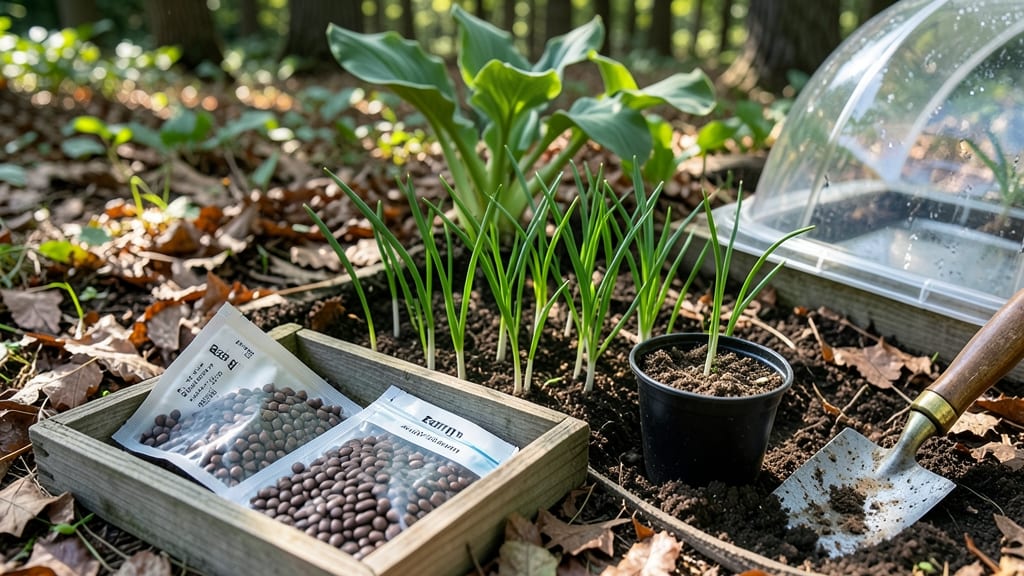
How to grow ramps from seed is a lesson in patience—six months of waiting feels long until you pull your first ramp. 🌱 Growing ramps from seed is a test of patience, but the payoff is worth it: those delicate, onion-like greens and prized bulbs that fetch top dollar at farmers' markets. I've grown them three seasons now, and the key isn't just soil or sunlight—it's understanding their stubborn germination habits.
You'll need rich, well-draining soil (think leaf mold mixed with compost), a shady spot under trees, and a lot of it—ramps spread slowly but reliably. Plant seeds just ¼ inch deep in early spring, keep the soil moist, and prepare for a 60-90% failure rate—that's normal.
The ones that do sprout will take 3-5 years to mature, but each year brings more harvestable bulbs.
By year two, you'll start seeing small clusters of grass-like leaves, and by year three, you can carefully dig up a few bulbs without harming the plant.
The real magic happens in year four or five, when you can harvest a meaningful amount—enough to share with friends or freeze for winter. It's slow gardening, but there's something deeply satisfying about growing something so rare and valuable.
Fair warning: if you're impatient, division is faster—just dig up established clumps and replant sections. But for the seed-growing challenge, it's worth it. Here's how to give those tiny seeds their best shot at life.
📚 In This Guide
- What you need
- Instructions
- Tips and common mistakes
- Wrapping up and next steps
What you need
- ● Ramp seeds: 1–2 packets (50–100 seeds per packet). Choose Allium tricoccum or Allium tricoccum hybrids. Pro tip: 💡 Buy from a reputable seed supplier—ramps are slow to germinate, so fresh seeds matter!
- ● Seed-starting mix: 1–2 quarts of high-quality, sterile potting soil (look for "seed-starting" blends). Avoid garden soil—it’s too dense!
- ● Containers: 4–6 small pots (3–4 inches deep) or a seed tray with individual cells. Ensure they have drainage holes!
- ● Grow lights or sunny windowsill: A grow light (full-spectrum LED) or a south-facing window with 6+ hours of sunlight daily.
- ● Plastic wrap or humidity dome: To keep soil moist while seeds germinate.
- ● Spray bottle: For gentle watering (avoid drowning those tiny seeds!).
- ○ Heat mat (optional): Germinates seeds faster (70–75°F is ideal).
- ● Fine-mesh screen or cheesecloth: For covering pots to deter pests while allowing airflow.
- ● pH test kit: Aim for soil pH 6.0–7.0 (ramps prefer slightly acidic to neutral soil).
- ● Transplanting tweezers: Helps handle delicate seedlings without damaging roots.
- ● Mulch (straw or shredded leaves): For outdoor planting—keeps soil moist and suppresses weeds.
- ● Time: Ramps take 6–12 months to mature from seed. Plan ahead!
- ● Space: A shady to partially shaded garden spot (woodland edges or under trees are ideal). Ramps hate full sun!
- ● Patience: Germination can take 3–6 weeks—don’t give up if nothing sprouts immediately! ✨
- ● Legal check: Verify ramp harvesting laws in your area (some states regulate wild foraging).
Step-by-step instructions for growing ramps from seed
Here's how to cultivate these prized alliums from seed—it takes time, but the flavor is worth every month.
🌱 Step 1: Start Seeds Indoors in Late Winter
Plant ramp seeds indoors 8-10 weeks before your last frost date, typically in February or early March. Use a shallow tray with well-draining seed-starting mix—ramps despise soggy soil. Press seeds ¼ inch deep, spacing them ½ inch apart in rows. A humidity dome or plastic wrap keeps moisture steady while they germinate.
Keep the tray in a warm spot (65-75°F) with bright, indirect light. Germination takes 2-4 weeks, sometimes longer if your home runs cooler. You'll know they're ready when tiny green shoots break through the soil—don't rush to remove the cover yet. Wait until 50% of seeds sprout before uncovering gradually over 3-4 days to avoid shocking the seedlings.
☀️ Step 2: Harden Off and Transplant in Early Spring
Once seedlings have 4-6 true leaves (about 6-8 weeks after sowing), they're ready for hardening. Move them outdoors to a shaded, sheltered spot for 1-2 hours the first day, increasing time daily. After 10-14 days, transplant into the garden when soil reaches 50°F—ramps won't tolerate frost.
Choose a location with full sun to partial shade and rich, well-draining soil. Dig trenches 6 inches deep and 12 inches apart—ramps grow slowly and need space. Gently loosen roots before placing seedlings in rows, covering them with 2 inches of soil. Water deeply but avoid overwatering; ramps prefer consistent moisture but hate soggy conditions.
💧 Step 3: Maintain Soil and Light for Slow Growth
Ramps thrive in fertile, slightly acidic soil (pH 6.0-7.0). Mulch heavily with 2-3 inches of organic matter (like compost or straw) to retain moisture and suppress weeds. They grow slowly—expect 1-2 inches of new growth per month—so patience is key. Fertilize lightly in early spring with a balanced, low-nitrogen fertilizer (10-10-10) to encourage root development without promoting leafy growth at the expense of bulbs.
Keep the soil evenly moist but not waterlogged. You'll know moisture is right when the top 1 inch feels slightly damp but not wet. Ramps are drought-tolerant once established, but consistent watering in their first year ensures strong bulb formation. Avoid overhead watering to prevent fungal diseases like white rot, which can devastate alliums.
⏰ Step 4: Harvest After Two Full Growing Seasons
Ramps take 2 years to mature—don't harvest before then. In their second spring, you'll see broader leaves and thicker stems, signaling maturity. Dig up a few bulbs in early spring (March-April) to check size; mature ramps have 3-4 inches of edible stalk and bulb. Leave most plants in the ground to regrow for future harvests.
To harvest, use a fork or trowel to gently loosen the soil around the plant, then pull the entire bulb and stalk from the ground. Shake off excess dirt and store in a cool, dark place for up to 2 weeks. For a continuous harvest, dig up one-third of the plants each year, allowing the rest to regrow. Ramps multiply naturally, so your patch will expand over time.
🌿 Step 5: Overwinter for Future Harvests
After harvest, leave the soil undisturbed and mulch heavily to protect remaining plants. Ramps are hardy perennials that return year after year in USDA zones 3-8. In colder climates, add an extra 4-6 inches of straw mulch before winter to insulate the soil. They'll re-emerge in early spring, ready for another growing season.
Here's the thing—ramps spread slowly, so don't rush. Each year, you'll get a slightly larger harvest, and the flavor only deepens with age. If you're impatient, you can divide mature clumps in early spring to expand your patch faster, but the real reward is that first harvest after two years of waiting—worth every moment.
Tips & tricks for perfect ramp cultivation
Between us, these alliums demand patience—but these tricks will help you avoid the most common pitfalls while maximizing your harvest.
Germination Strategy: Ramp seeds are notoriously slow to sprout, so don't be discouraged if you don't see progress within the 2-4 week window. I've found that pre-soaking seeds in warm water for 12 hours before planting can shave off 3-5 days of germination time. Place them in a sealed container with a damp paper towel, then transfer to the soil once they've softened slightly. Just remember to maintain that 65-75°F warmth—they're picky about temperature.
Lighting Hack: While ramps prefer bright, indirect light, they can actually tolerate lower light conditions better than most seedlings. If your home has limited natural light, supplement with a grow light placed 6-8 inches above the tray for 12-14 hours daily. I've successfully grown ramps under LED grow lights in apartments with south-facing windows, though the growth will be slightly slower than in full sun. The key is consistency—ramps hate sudden light changes.
Transplanting Timing: The 10-14 day hardening period is where most beginners rush the process. I recommend starting with just 1 hour outdoors on day one, then increasing by 30 minutes daily until you reach the full sun exposure. Watch for signs of stress like wilting or yellowing leaves—these indicate you're moving too quickly. Also, time your transplant to coincide with a cloudy day to reduce shock from direct sunlight.
Soil pH Test: While ramps tolerate a pH range of 6.0-7.0, they truly shine in soil that's slightly more acidic (closer to 6.0-6.5). Test your garden soil before planting—many home gardeners assume their soil is neutral when it's actually alkaline. If needed, amend with elemental sulfur or peat moss to adjust the pH. I've seen ramps grow twice as fast in properly acidified soil compared to neutral conditions.
Pro Tips for Grow Ramps From Seed
- Between us, these alliums demand patience—but these tricks will help you avoid the most common pitfalls while maximizing your harvest.
- Germination Strategy: Ramp seeds are notoriously slow to sprout, so don't be discouraged if you don't see progress within the 2-4 week window.
- Lighting Hack: While ramps prefer bright, indirect light, they can actually tolerate lower light conditions better than most seedlings.
Frequently asked questions
How long does it take for ramp seeds to germinate?
Ramp seeds are notoriously slow—expect 6 to 12 months for germination! Plant them in early fall (Zone 5-8) for best results, and keep soil consistently moist. Patience is key—some seeds may take up to 2 years to sprout. Don’t give up!
Can I grow ramps from seed faster than 6 months?
Nope! Ramps are biennials, meaning they need at least 6 months to establish roots and produce edible shoots. Some gardeners harvest tiny greens after the first year, but full-sized bulbs take 2–3 years. For faster harvests, consider buying small ramp starts from specialty nurseries.
What’s the best alternative if my ramp seeds won’t sprout?
Try these ramp-friendly swaps:
- Garlic chives (milder, faster-growing)
- Wild leeks (Allium tricoccum) (similar flavor, slower but hardy)
- Green onions (quick harvest, similar texture)
Why are my ramp seedlings dying or turning yellow?
Common culprits:
- Overwatering (ramps hate soggy soil—drainage is critical!)
- Pests (slugs/snails love young shoots—use diatomaceous earth)
- Poor soil (amend with compost; ramps prefer loamy, slightly acidic dirt)
- Too much sun (young plants may scorch; provide partial shade)
Do ramps survive winter? How cold is too cold?
Ramps are hardy to Zone 3 but need mulch (4–6 inches) to protect them in extreme cold. In Zone 5–8, they’ll overwinter fine with a thick layer of leaves or straw. Avoid disturbing them in winter—they’re dormant but alive! Spring is when they’ll really take off.
Wrapping up and next steps
Growing ramps from seed is a rewarding journey that demands patience—but the payoff is worth every effort! 🌱 With the right soil, timing, and care, you’ll soon enjoy fresh, flavorful greens straight from your garden.
Start small, track your progress, and soon you’ll be sharing your harvest with friends or savoring them in your favorite dishes.
Ready to take the next step? Plant those seeds today and watch your ramp patch thrive—your taste buds (and dinner guests) will thank you!