
Size
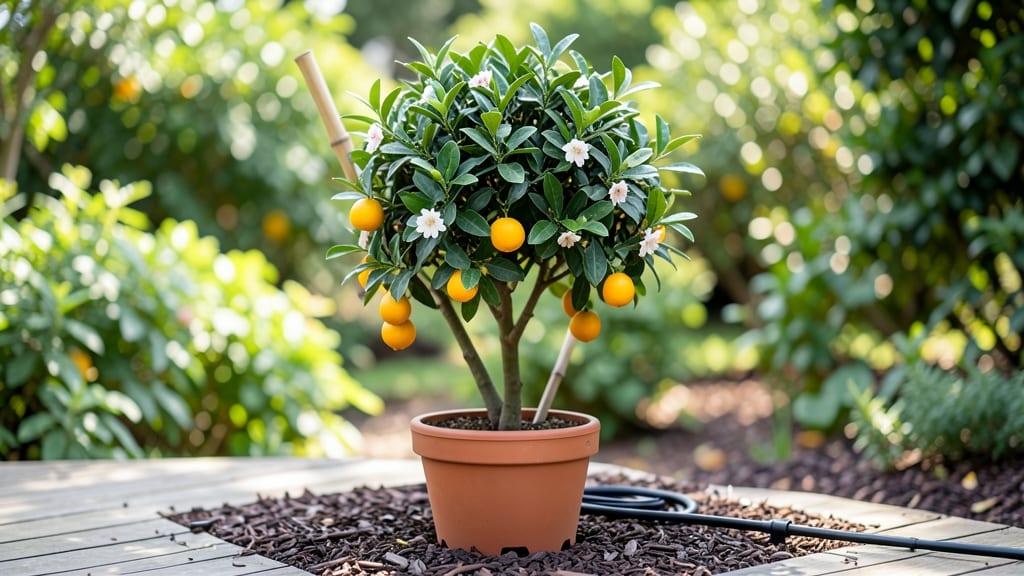
How to grow Satsuma trees in containers means fresh citrus even in winter. 🌱 These cold-hardy beauties thrive where other citrus would freeze, and their sweet, seedless fruit tastes like sunshine in a rind. My first Satsuma tree in a 15-gallon pot produced fruit by its second year—proof that container citrus is totally doable, even for small spaces. The secret starts with the right setup: a 5-gallon minimum pot (bigger for mature trees), well-draining soil mix, and a sunny spot getting 6-8 hours of light daily. Satsumas love warmth but can handle brief dips to 20°F—unlike most citrus. Just move them indoors or wrap the pot when frost threatens. Overwatering kills them faster than cold does, so let the top inch dry between waterings. By summer, you’ll see glossy new leaves and tiny white flowers that smell like heaven. Those flowers turn into fruit by fall, and with proper care, your tree will keep bearing year after year. The first harvest is the sweetest reward—imagine plucking your own Satsumas in December! This method works for patios, balconies, or even sunny windowsills. The key is patience: it takes 2-3 years for full production, but once established, your tree becomes a low-maintenance citrus powerhouse. Ready to grow yours?
📚 In This Guide
- What you need
- Instructions
- Tips and common mistakes
- Wrapping up and next steps
What you need
- ● Satsuma tree sapling: Choose a Citrus unshiu variety (dwarf or semi-dwarf for containers). Look for healthy, disease-free plants (1–3 years old).
- ● Container (if growing in pots): Minimum 15–20 gallons (18–24" diameter) for dwarf varieties.
- ● Material: Fabric grow bags (best for drainage) or plastic/terra cotta with drainage holes.
- ● Well-draining potting mix: 50% citrus-specific soil + 30% perlite/pumice + 20% compost (avoid garden soil—it compacts!).
- ● Slow-release citrus fertilizer: 10-10-10 or 8-3-9 NPK ratio (organic options like fish emulsion work too).
- ● Mulch: 2–3 inches of organic mulch (straw, pine bark, or wood chips) to retain moisture and regulate temperature.
- ● Drip irrigation or watering can: Satsumas need 1–1.5 inches of water weekly (more in heat).
- ● Pruning shears: Sharp, sterilized shears (for shaping and removing dead branches).
- ○ Support stakes (optional for containers): 3–4 ft bamboo stakes + soft ties if your tree grows tall.
- ● Citrus-specific micronutrients: Magnesium (Epsom salt) or iron supplements to prevent deficiency (yellow leaves = red flag!).
- ● Frost protection: Frost cloth or row covers for winter (satsumas hate cold below 20°F/-7°C).
- ● Pollination aid: A small paintbrush to hand-pollinate flowers if bees are scarce.
- ● Soil moisture meter: To check root-zone hydration without overwatering.
- ● Container saucers: Drip trays to catch runoff and prevent mess.
Step-by-step instructions for growing satsuma trees in containers
Here's how to nurture these cold-hardy citrus trees for abundant fruit year after year.
🌱 Step 1: Select the Right Container and Drainage
Start with a 5-gallon container for each tree—satsumas need room to develop strong roots. Choose a pot with drainage holes at the bottom and add a 2-inch layer of gravel or broken pottery to prevent root rot. I like to use unglazed terra cotta because it breathes and helps regulate moisture levels naturally.
If your pot doesn't have drainage, drill holes yourself—satsumas hate soggy roots. The container should be at least 18 inches deep to accommodate the tree's root system as it grows. Place the pot on a saucer or tray to catch any excess water that drains out.
☀️ Step 2: Prepare Well-Draining Soil Mix
Fill the container with a blend of 60% potting soil, 30% perlite, and 10% compost. This mix ensures proper drainage while providing essential nutrients. Avoid garden soil—it compacts too easily and can suffocate the roots.
Moisten the soil before planting by adding water gradually until it feels like a damp sponge. You want it to hold moisture but not feel soggy. Satsumas prefer slightly acidic soil with a pH between 6.0 and 7.0. You can test your soil's pH with a simple kit from the garden center.
🌿 Step 3: Plant Your Satsuma Tree Properly
Gently remove your satsuma tree from its nursery pot and loosen the roots if they appear tangled. Place the tree in the center of your container, ensuring the top of the root ball sits 1 inch below the rim of the pot. This gives you room to water without overflowing.
Fill the remaining space with your prepared soil mix, pressing lightly around the base of the tree to eliminate air pockets. Water thoroughly until water runs out the drainage holes. The soil should be evenly moist but not waterlogged. After planting, place your satsuma in a location with full sun exposure for at least 6-8 hours daily.
💧 Step 4: Establish a Watering Routine
Water your satsuma when the top 2 inches of soil feel dry to the touch. During the growing season (spring and summer), this usually means watering every 2-3 days. In cooler months, reduce watering to once a week or when the soil feels dry.
Always water deeply, allowing water to soak through the soil until it drains from the bottom. Avoid getting water on the leaves to prevent fungal diseases. In winter, reduce watering significantly—satsumas enter a dormant period and need much less moisture. Watch for yellowing leaves, which can indicate overwatering.
✂️ Step 5: Prune and Fertilize for Healthy Growth
Prune your satsuma in late winter or early spring before new growth begins. Remove any dead, diseased, or crossing branches to improve air circulation and sunlight penetration. You can also shape the tree by cutting back some of the longer branches to encourage a fuller form. Use clean, sharp pruning shears to make cuts just above a leaf node.
Fertilize your satsuma every 4-6 weeks during the growing season with a balanced citrus fertilizer. Follow the package instructions for application rates. In fall and winter, reduce fertilization to once every 8-12 weeks as the tree enters its dormant phase. Keep an eye out for pests like aphids or scale insects, and treat them promptly with an appropriate insecticide if they appear.
🌡️ Step 6: Protect from Cold Temperatures
Satsumas are cold-hardy, but they still need protection when temperatures drop below 15°F. Move your containers to a sheltered location, such as a garage or against the south side of your house, where they can benefit from some sunlight but are protected from harsh winds and freezing temperatures.
Wrap the container and tree with burlap or frost cloth to provide additional insulation. You can also use a heat lamp or space heater to maintain a minimum temperature of 25°F around the tree. With proper protection, your satsuma can survive winter and produce fruit again the following year.
Tips & tricks for growing satsuma trees in containers
Between us, growing satsuma trees in containers is one of the most rewarding gardening projects you can take on—especially when you know these little secrets. Here's what nobody tells you about keeping your citrus thriving year after year.
Container Size Matters: That 5-gallon minimum isn't just a suggestion—it's non-negotiable for the first two years. Satsumas grow surprisingly fast, and roots need room to expand. I've seen people use smaller pots and end up with stunted trees that never produce fruit. If you're tempted to go smaller, don't make my mistake: upgrade to at least a 7-gallon container if you can. The deeper the better, especially for those 18 inches we're targeting.
Soil Mix is Everything: The 60-30-10 ratio of potting soil, perlite, and compost is perfect, but here's the thing—don't skimp on the perlite. This isn't just about drainage; it's about aeration. Compacted soil leads to root suffocation, and you'll know it's happening when your tree's leaves start yellowing between the veins. I like to add a handful of coarse sand to the mix too—it helps break up any clumps that form over time. And yes, that pH test is worth it—satsumas really do prefer that 6.0-7.0 range.
Watering Wisdom: Those 2-3 days between waterings in summer? That's a guideline, not a rule. The real test is the soil—stick your finger in those top 2 inches. If it feels like a damp sponge, wait another day. Overwatering is the #1 killer of container-grown citrus, and it's sneaky—you won't see the damage until it's too late. Pro move: Use a moisture meter for your containers. It's a small investment that pays off with healthy roots and happy trees.
Winter Protection Hacks: When temps drop below 15°F, think of your satsuma like a citrus baby—it needs extra care. I've found that moving containers against a south-facing wall works better than garages because they still get some sunlight. And that 25°F minimum? Use a simple thermometer near the tree to monitor. If you're using frost cloth, secure it tightly—wind can tear it and leave your tree vulnerable. For extra insurance, I've even used Christmas lights wrapped around the pot as a secondary heat source in extreme cold snaps.
Pro Tips for Grow Satsuma Trees
- Between us, growing satsuma trees in containers is one of the most rewarding gardening projects you can take on—espec...
- Container Size Matters: That 5-gallon minimum isn't just a suggestion—it's non-negotiable for the first two years. Sa...
- Soil Mix is Everything: The 60-30-10 ratio of potting soil, perlite, and compost is perfect, but here's the thing—don...
Frequently asked questions
Got questions about growing your own satsuma trees? You’re not alone! Here are answers to the most common concerns—from timing to troubleshooting—so you can grow confidently and enjoy those sweet, seedless citrus fruits year after year.
Can satsuma trees survive winter in containers?
Yes! Satsumas are cold-hardy citrus and can tolerate brief freezes (down to 15°F for short periods). To protect potted trees, move them to a sheltered spot (like a garage or under eaves) before temperatures drop. Use frost cloth or blankets for extra insulation. Pro tip: Avoid fertilizing in late fall to encourage dormancy.
How long does it take for a satsuma tree to bear fruit?
Patience is key! Satsuma trees grown from seed may take 5–10 years to produce fruit, while grafted trees (like those from nurseries) can bear fruit in as little as 3–5 years. Consistently warm days, proper sunlight, and regular care speed up the process. Fun fact: Female flowers are needed for fruit—plant two trees for cross-pollination!
What if my satsuma tree isn’t fruiting?
Several factors could be at play: lack of sunlight (they need 6+ hours daily), inconsistent watering, or improper pollination. Check for pests (like aphids) or diseases (e.g., root rot). If your tree is young, give it time—sometimes it’s just waiting for maturity. Try this: Gently shake branches during bloom to encourage pollination.
Can I grow satsumas in a small yard or balcony?
Satsumas thrive in containers and adapt well to small spaces. Choose a 15–25 gallon pot with drainage holes and use well-draining soil. Dwarf varieties (like ‘Owari’) are ideal for balconies. Just ensure they get full sun and rotate the pot occasionally for even growth. Bonus: Their compact size makes them perfect for urban growers!
Are satsuma oranges easy to peel and eat?
Yes! One of their biggest perks is their seedless, easy-to-peel skin—no knife needed! They’re sweeter than most citrus and perfect for snacking, juicing, or adding to salads. Pro tip: Let them ripen fully on the tree for the best flavor. Store unripe fruit indoors to finish ripening at room temperature.
Wrapping up and next steps
Growing satsuma trees in containers is a rewarding journey that brings year-round citrus to your doorstep—even in cooler climates! 🌱 With the right soil, sunlight, and care, you’ll enjoy sweet, seedless fruit and lush greenery. Start small, stay patient, and soon you’ll be harvesting delicious, easy-to-peel satsumas with pride.
Ready to take the next step? Plant your first tree today! Whether you’re a beginner or a seasoned gardener, your citrus adventure starts now. Happy growing! 🍊✨