
Propagation
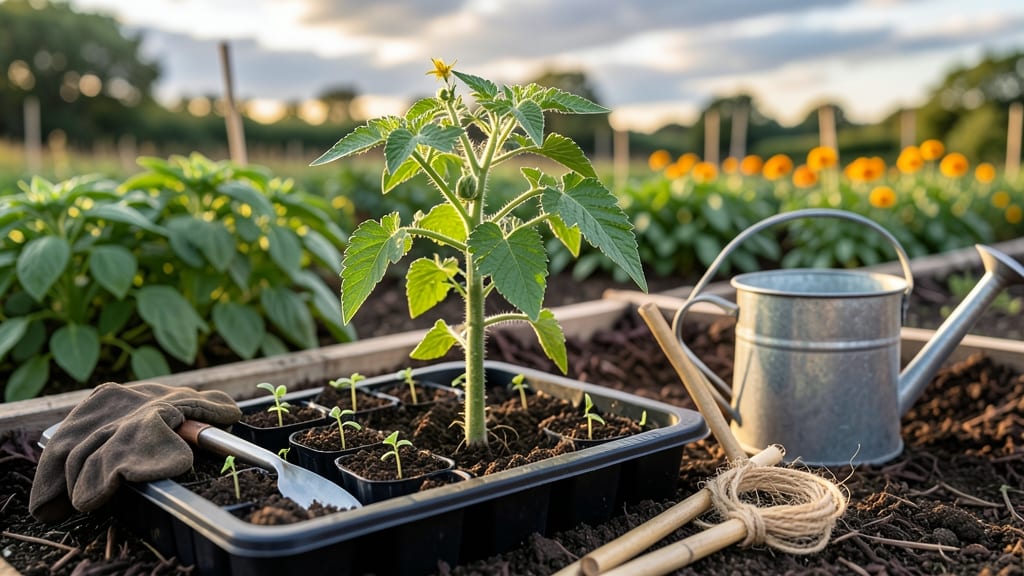
How to grow tomatoes from seeds outside means unlocking fresh, homegrown flavor by summer. 🌱 I've started tomatoes outdoors for years, and the key is timing—plant seeds 6-8 weeks before your last frost date. That window gives seedlings time to grow strong before facing real-world challenges like pests and heat. You'll need a sunny spot with well-draining soil, sturdy seedling trays, and patience for slow early growth. Most beginners rush this step, but taking it slow means healthier plants that produce more fruit. The payoff comes when you're harvesting tomatoes that taste nothing like store-bought. Once your seedlings hit 4-6 inches tall, they'll be ready for transplanting outside. Harden them off first by moving them to outdoor conditions gradually—this toughens them up for real garden life. With proper care, you'll see flowers by late spring and your first tomatoes by midsummer. This method works perfectly for gardeners with any space, from small backyards to container setups. The secret is consistency: water regularly, fertilize lightly, and watch for pests early. Here's how to make it simple and successful!
📚 In This Guide
- What you need
- Instructions
- Tips and common mistakes
- Wrapping up and next steps
What you need
- ● Tomato seeds: Purchase heirloom or hybrid seeds (e.g., Beefsteak, Cherry, Roma) from a trusted supplier. Aim for 5–10 seeds per variety to account for germination variability.
- ● Seed-starting soil: Use a sterile, seed-starting mix (avoid garden soil—it’s too dense). A 10–20 lb bag is ideal for small batches.
- ● Containers: Choose biodegradable pots (2–3 inches deep) or seed trays with drainage. You’ll need 1 pot per seed or 1 tray with 12+ cells.
- ● Grow lights or sunny windowsill: If starting indoors, a LED grow light (12–16 hrs/day) or a south-facing window is critical for seedlings.
- ● Watering can or spray bottle: A fine-mist sprayer keeps seeds moist without disturbing them.
- ○ Plastic wrap or humidity dome: Helps retain moisture during germination (optional but helpful for first 7–10 days).
- ● Labels & marker: Label seeds by variety and date planted (use toothpicks + masking tape or plant tags).
- ○ Fertilizer (optional): A balanced, water-soluble fertilizer (5-10-5 ratio) for seedlings after 2–3 weeks.
- ○ Heat mat (optional): Speeds up germination (70–80°F ideal). A 10x20-inch mat works for small setups.
- ○ Hardening-off tray (optional): A shallow tray with pebbles or mesh for acclimating seedlings to outdoor conditions.
- ● Garden stakes or cages: Prepare 5–6 ft tall stakes or cages for transplanting (1 per plant).
Step-by-step instructions for growing tomatoes from seeds outside
Here’s my foolproof method for starting tomatoes from seeds in your garden—no fancy equipment needed.
🌱 Step 1: Start Seeds Indoors 6-8 Weeks Before Last Frost
Fill small seed starter cells with the seed-starting mix (not garden soil) and moisten it until damp but not soggy. Plant 2-3 seeds per cell just below the surface—about ¼ inch deep—since tomatoes need light to germinate. Cover lightly with more mix and mist gently with water.
Place the tray in a warm spot (70-80°F) like on top of the fridge or under a heat mat. Keep the soil consistently moist (not wet) and expect sprouts in 5-10 days. Once they appear, remove the weakest seedling to leave the strongest one per cell.
☀️ Step 2: Provide Strong Light for Healthy Seedlings
The moment those first true leaves appear (not the initial seed leaves), move seedlings to a sunny windowsill or under grow lights for 14-16 hours daily. A south-facing window works, but if seedlings stretch toward the light (getting "leggy"), they’re not getting enough intensity.
Rotate the tray a quarter turn daily so plants grow straight, not lopsided. If using grow lights, keep them 2-4 inches above the plants and raise them as seedlings grow. You’ll know they’re happy when leaves are dark green and compact.
🪴 Step 3: Harden Off Seedlings Before Transplanting
About 2 weeks before your last frost date, start hardening off seedlings by placing them outside in a sheltered spot for 1-2 hours the first day. Gradually increase time outside by 1 hour daily, moving them to sunnier spots each time. This toughens them up for garden life.
Watch for wilting or leaf scorch—if it happens, they’re not ready yet. By the time they can handle a full day outside, they’re ready for the garden. Transplant on an overcast day or in the late afternoon to reduce shock.
🌿 Step 4: Plant Seedlings in the Garden After Frost
Dig holes twice as wide as the root ball but no deeper than the pot. Space plants 18-24 inches apart (check your variety’s needs—some grow bigger). Gently remove seedlings from their containers, loosen roots if they’re circling, and place them in holes.
Fill in with soil, firm lightly, and water deeply. Mulch around the base with 2-3 inches of straw or grass clippings to keep soil cool and retain moisture. Tomatoes love warmth, but their roots need to stay moist—don’t let the soil dry out now.
✂️ Step 5: Support and Prune for Bigger Harvests
As plants grow, install cages or stakes (if you didn’t use them at planting) to support heavy fruit. Prune suckers—those little shoots in the joint between the stem and a branch—weekly to encourage more fruit production. You’ll see them as small offshoots growing outward.
Pinch off the first few flowers if your plant is small—this redirects energy to root and stem growth. Once established, let it flower freely. Water at the base early in the morning to avoid fungal issues, and watch for pests like hornworms (they love tomatoes too!).
🍅 Step 6: Harvest and Enjoy Your Homegrown Tomatoes
Harvest when tomatoes are fully colored and slightly soft to the touch. For heirlooms, wait until they’re ripe on the vine. Slice open a few to check for seeds—if they’re jelly-like, they’re ready! Cut stems with scissors or pruners to avoid damaging the plant.
Store ripe tomatoes at room temperature (they’ll last longer than in the fridge). If you have excess, slice and freeze them for later use. You’ll know you’ve succeeded when neighbors ask where you got your tomatoes—now you can brag about growing them from seeds!
Tips & tricks for growing tomatoes from seeds outside
Here's what I wish I knew when first growing tomatoes from seeds—these simple tricks make all the difference between healthy plants and struggling seedlings.
Seed-Planting Precision: When planting those 2-3 seeds per cell, use a toothpick to make small holes—this keeps them exactly ¼ inch deep without crushing the seeds. I learned the hard way that pressing seeds too deep delays germination. Also, label your cells immediately with the variety and date so you don't mix them up later!
Heat Mat Hack: That 70-80°F range is crucial for germination, but not everyone has a heat mat. Place your seed tray on top of your fridge during the day (it stays warm) or wrap it in a warm towel. Just don't let the soil get soggy—it should feel like a damp sponge, not a wet washcloth.
Lighting Strategy: For those 14-16 hours of light, I use a simple LED shop light on a timer—it's cheap and gives consistent results. If using a windowsill, rotate your tray daily so plants don't grow lopsided. You'll know they're getting enough light when leaves are dark green and compact, not stretched out and pale.
Transplanting Timing: The 2-week hardening off period is your best friend. Start with just 1-2 hours in a sheltered spot, then gradually increase. I always check leaves for wilting or scorch—if they look stressed, they're not ready. The goal is to toughen them up, not shock them!
Pro Tips for Grow Tomatoes From Seeds Outside
- Here's what I wish I knew when first growing tomatoes from seeds—these simple tricks make all the difference between ...
- Seed-Planting Precision: When planting those 2-3 seeds per cell, use a toothpick to make small holes—this keeps them ...
- Heat Mat Hack: That 70-80°F range is crucial for germination, but not everyone has a heat mat. Place your seed tray o...
Frequently asked questions
Got questions about growing tomatoes from seeds outdoors? You’re not alone! Here are some of the most common queries—and their straightforward answers—to help you grow like a pro.
How long does it take for tomato seeds to germinate outdoors?
Tomato seeds typically germinate in 5–14 days when planted in warm soil (at least 60°F/15°C). If your climate is cool, consider starting seeds indoors 6–8 weeks before the last frost, then transplanting seedlings outside after the soil warms up. Patience is key—consistent moisture and warmth speed up the process!
Can I plant tomato seeds directly in the ground, or should I start them indoors first?
Both methods work, but starting indoors is ideal for cooler climates or shorter growing seasons. Direct sowing is best in warm regions with a long frost-free period. If you choose outdoor planting, wait until soil temps are at least 60°F/15°C and sow seeds ½ inch deep. Thin seedlings to 18–24 inches apart for optimal growth.
What should I do if my tomato seedlings get leggy or weak?
Leggy seedlings happen when they don’t get enough light. To fix it:
- Move them to a sunnier spot (or under grow lights if indoors).
- Hardening off seedlings gradually before transplanting to toughen stems.
- Avoid overcrowding—thin seedlings to prevent competition for nutrients.
How do I protect my tomato plants from late frosts or cold snaps?
Tomatoes are frost-sensitive! Use these tricks to shield them:
- Cover plants with frost cloth or row covers when temps drop below 50°F/10°C.
- Plant in low-lying areas where cold air pools less.
- Mulch heavily to insulate roots and retain warmth.
- Choose cold-hardy varieties like ‘Stupice’ or ‘Mountain Merit’ if you’re in a short-season zone.
Why aren’t my tomato plants flowering or fruiting?
Common culprits include:
- Insufficient sunlight (tomatoes need 6–8+ hours daily).
- Over- or underwatering—keep soil consistently moist but not soggy.
- Nutrient deficiencies (especially nitrogen, phosphorus, or potassium). Fertilize with a balanced tomato feed.
- Temperature stress—tomatoes thrive in 70–85°F/21–29°C; extreme heat can stop flowering.
Wrapping up and next steps
Growing tomatoes from seeds outside is a rewarding journey that connects you to nature while yielding delicious, homegrown fruit.
With patience, the right tools, and a little sunshine, you’ll soon be harvesting vibrant, flavorful tomatoes straight from your garden. Now that you’re armed with the know-how, why not take the next step? Share your progress with fellow gardeners, experiment with different varieties, or even gift seedlings to friends—spreading the joy of homegrown goodness!