
Trees
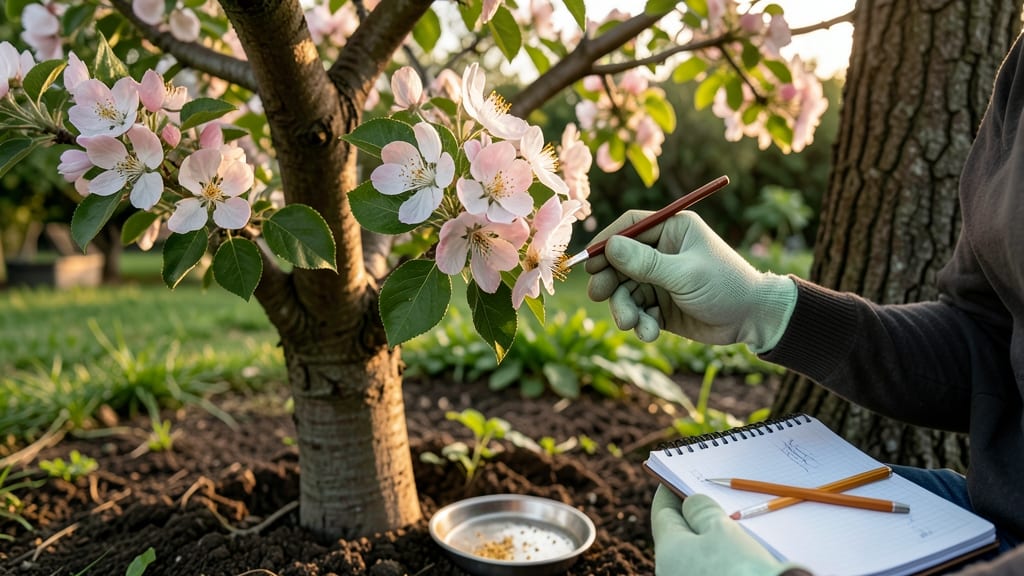
How to hand pollinate apple trees and turn those stunning blossoms into a bountiful harvest—here’s the foolproof method that’s saved my trees (and my neighbors’) from fruitless seasons. 🌸 I’ve transformed floral displays into heavy branches of apples using this approach, and it’s simpler than you’d expect, even for beginners who’ve never held a paintbrush before.
The right timing and tools make all the difference: a soft-bristle brush, a sunny morning (when pollen’s fresh), and knowing which flowers need cross-pollination. I’ve even done it in my neighbor’s yard—no bees required.
The key is moving pollen between trees of compatible varieties, and I’ll walk you through spotting the signs of successful transfer.
By midseason, you’ll be picking apples instead of admiring empty branches. The trees I’ve hand-pollinated produce 2-3x more fruit than their neglected neighbors, and the process takes less than 15 minutes per tree. Even if you only have one apple tree, this trick works—no orchard needed.
Rainy days or late frosts? Hand pollination gives you control. I’ll cover how to store pollen, adjust for weather, and troubleshoot when things go wrong (spoiler: it’s rare if you follow the steps). Let’s get those flowers working for you.
Pollination Pitfalls Explained
Pollination failure in apple trees isn’t just a matter of luck—it’s often tied to specific environmental, biological, or human factors. Understanding these causes helps you troubleshoot and intervene effectively.
Below, we break down the most common reasons why apple trees might struggle to set fruit naturally, even when bees are buzzing around.
Apple trees rely on cross-pollination, meaning pollen from one tree must fertilize the flowers of another (or a compatible cultivar). If pollinators like bees, butterflies, or even wind (for some varieties) are scarce, fertilization fails.
- Why it happens: - Pesticide overuse: Neonicotinoids and broad-spectrum insecticides can kill or repel pollinators.
Even "bee-safe" sprays may weaken bee populations over time. - Poor timing: If flowers bloom when pollinators are dormant (e.g., early spring frosts or late-season blooms), they won’t visit. - Isolation: A single apple tree in a yard with no compatible varieties nearby (e.g., a Granny Smith alone) won’t self-pollinate effectively.
- Actionable fix:
- Plant two compatible apple varieties within 50–100 feet of each other (check your tree’s pollination group).
- Avoid spraying pesticides during bloom. Use row covers or organic alternatives like neem oil after pollination.
- Attract pollinators with native flowers (e.g., lavender, clover) near your tree.
Apple trees are sensitive to extreme weather, which can disrupt pollination by affecting flower health or pollinator activity.
- Why it happens:
- Late frosts: A sudden cold snap (below 28°F) after buds open can kill pollen or damage stamens before bees arrive.
- Heatwaves or drought: High temperatures (>90°F) can reduce pollen viability or cause flowers to drop prematurely.
- Heavy rain: Prolonged wet conditions wash away pollen or deter bees from flying.
- Actionable fix:
- Monitor frost forecasts and cover young trees with frost blankets if frost is predicted during bloom.
- Water deeply 1–2 weeks before flowering to ensure trees are hydrated but avoid soggy soil during bloom.
- Choose late-blooming varieties (e.g., ‘Honeycrisp’) if your area has early spring frosts.
Not all apple blossoms are created equal—some may look perfect but are biologically unable to produce or receive pollen.
- Why it happens:
- Blossom blast: Fungal diseases like fire blight or bloom rot can deform or kill flowers before pollination.
- Nutrient deficiencies: Low boron or zinc levels can lead to poor pollen development or weak stigmas (the pollen-receiving part).
- Over-fertilization: Too much nitrogen promotes leafy growth over flowers, reducing the number of viable blossoms.
- Actionable fix:
- Test your soil and amend with boron-rich compost or a balanced fertilizer (10-10-10) before buds swell.
- Prune for airflow to reduce humidity and fungal spread. Remove infected branches immediately.
- Avoid high-nitrogen fertilizers (like lawn fertilizer) during bloom—opt for potassium-rich options instead.
Sometimes, well-meaning gardeners accidentally sabotage pollination without realizing it.
- Why it happens:
- Over-pruning: Removing too many branches can reduce flower density or disrupt the tree’s energy balance.
- Root damage: Compaction or construction near roots stresses the tree, diverting energy away from fruit production.
- Improper thinning: While thinning fruit after pollination helps larger apples grow, removing too many blossoms early can signal the tree to produce fewer flowers next year.
- Actionable fix:
- Prune in late winter/early spring (before bloom) to shape the tree without overdoing it—aim to remove no more than 25% of branches per year.
- Mulch properly (2–4 inches of organic mulch) to protect roots and retain moisture.
- **Thin fruit after petal fall (when apples are marble-sized) to ensure the tree isn’t overwhelmed.
Not all apple varieties are compatible pollinators. Even if bees visit, pollen may not "take."
- Why it happens:
- Sterile pollen: Older trees or certain varieties may produce non-viable pollen due to age or disease.
Pollination problems often stem from a combination of factors, not just one.
By addressing pollinator presence, environmental conditions, tree health, and genetic compatibility, you can dramatically improve your apple tree’s fruit set—even without relying solely on bees. Hand pollination** (covered in the next section) becomes a powerful backup when nature falls short!
Fixing Pollination Challenges
Hand pollinating apple trees can feel like solving a puzzle—especially when you’re dealing with stubborn blooms or environmental hurdles. But don’t worry! With the right approach, you can turn obstacles into opportunities for a bountiful harvest.
Below, we’ll tackle common issues and provide practical, step-by-step solutions to ensure your apple tree gets the pollination it needs.
Cause: Apple trees rely on bees (or you!) to transfer pollen when flowers are fully open. If blooms open too late, rain washes away pollen, or cold snaps delay pollinators, fertilization fails.
How to Fix It: ✅ 📅 Time Your Pollination Perfectly
- Monitor your tree’s blooms daily. Pollinate when at least 50% of flowers are fully open (petals unfurling, stamens visible).
- Use a handheld magnifying glass to check for pollen on stamens—it should look like fine yellow dust.
✅ 🌧️ Work Around Rainy Weather - If rain is forecasted, pollinate in the morning before droplets form.
Use a soft-bristle paintbrush to gently transfer pollen indoors (see next step). - For heavy rain, cover the tree with a breathable pollination tent (lightweight fabric secured loosely at the top) to shield flowers.
✅ 🐝 Boost Bee Activity (If Using Natural Pollinators)
- Plant bee-friendly flowers (like lavender, clover, or dill) near your apple tree to attract pollinators.
- Avoid pesticides during bloom—even "bee-safe" sprays can harm beneficial insects.
💡 Pro Tip: Keep a pollination journal noting bloom stages and weather. This helps you predict the best days to intervene.
Cause: Some apple varieties have poor pollen producers (stamens), or pollen may not stick well to pistils. Wind or humidity can also scatter pollen ineffectively.
How to Fix It: ✅ 🎨 Use the Right Tools for Precision
- Paintbrush method: Dip a soft, clean paintbrush into pollen from one flower, then gently stroke the pistil (center of another flower). Repeat for 10–15 flowers per branch.
- Cotton swab alternative: Roll a cotton swab over stamens, then dab it onto pistils for a controlled transfer.
✅ 🔄 Cross-Pollinate Different Varieties
- If your tree has self-unfruitful flowers (common in many commercial apples), plant a compatible pollinator variety (e.g., ‘Honeycrisp’ pairs well with ‘Golden Delicious’).
- Hand-pollinate between trees if space is limited—collect pollen from one and transfer it to another.
✅ 🌡️ Optimize Humidity Levels
- Pollen sticks best in moderate humidity (40–60%). If air is too dry, lightly mist flowers before pollinating to help adhesion.
- Avoid pollinating in high heat (above 85°F)—pollen can degrade quickly.
⚠️ Warning: Don’t over-pollinate! Focus on 10–20 flowers per branch to avoid overloading the tree.
Cause: Urban areas, early springs, or late frosts may leave flowers unpollinated. Some apple varieties are wind-pollinated but struggle in still air.
How to Fix It: ✅ 👨🍳 Take Over the Job
- DIY pollination kit: Grab a paintbrush, small bowl, and magnifying glass. Work in short bursts (10–15 minutes) to avoid fatigue.
- Team up: Recruit family or neighbors to pollinate different branches for efficiency.
✅ 💨 Simulate Wind Pollination
- If your variety relies on wind, gently shake branches during bloom (early morning is best). This releases pollen into the air.
- Place a small fan near the tree on calm days to aid pollen dispersal.
✅ 🐝 Attract Emergency Pollinators
- Set up a bee water station (shallow dish with pebbles and water) near blooms.
- Plant early-blooming flowers (like crocus or cherry blossoms) to lure bees before apple trees open.
🎯 Pro Tip: Pollinate early in the morning when humidity is high—pollen sticks better and lasts longer.
Cause: Even if pollination succeeds, poor fertilization, nutrient deficiency, or environmental stress can cause flowers/fruit to drop prematurely.
How to Fix It: ✅ 🍽️ Support the Tree’s Energy Needs
- Fertilize lightly with a balanced 10-10-10 formula (or compost) after pollination to support fruit development.
- Avoid high-nitrogen fertilizers—they promote leaf growth over fruit.
✅ 💧 Hydrate Deeply
- Water slowly and deeply (1–2 inches per week) to prevent stress. Use drip irrigation to keep foliage dry and reduce disease risk.
✅ 🌿 Thin Early Fruit
- If the tree sets too many fruits, thin to 6–8 inches apart to prevent overburdening. This ensures larger, healthier apples.
💡 Prevention Tip: Mulch around the base with wood chips to retain moisture and regulate soil temperature.
To avoid future pollination struggles, follow these simple habits:
- 📆 Plant compatible varieties within 50–100 feet of each other.
- 🌿 Prune in late winter to improve airflow and sunlight exposure.
- 🚫 Avoid late sprays—pesticides can harm pollinators.
- 🌡️ Monitor weather forecasts and pollinate 2–3 days before rain.
- 📊 Track bloom stages yearly to refine your timing.
By addressing these common challenges with targeted solutions, you’ll maximize your apple tree’s fruit set and enjoy a homegrown harvest that’s the talk of the neighborhood! 🍏✨
Frequently asked questions
Do I need two apple trees to hand pollinate?
Not always! While most commercial varieties need cross-pollination from a different tree, some self-pollinating types like ‘Liberty’ or ‘Enterprise’ can produce fruit alone. For others, you’ll need a compatible partner within 50–100 feet. If you only have one tree, hand pollination becomes essential—just collect pollen from one flower and transfer it to others on the same tree.
What’s the best time of day to hand pollinate?
Early morning (between 7–10 AM) is ideal when humidity is high and pollen is fresh. Avoid midday heat (above 85°F) as it reduces pollen viability. If you must pollinate later, work in the shade and keep tools clean to prevent pollen degradation.
Can I store pollen for later use?
Yes! Collect excess pollen by gently tapping flower clusters over parchment paper, then store it in a dry, airtight container in the fridge for up to 3 days. For longer storage, freeze pollen in small portions (lasts 1–2 months). Just ensure flowers are fully open when collecting—pollen from closed buds may not be viable.
How do I know if hand pollination worked?
Successful pollination shows as tiny green “king” cells forming at the base of petals 7–10 days later. These will grow into apples. If no king cells appear after 2 weeks, try pollinating again or check for pollen viability issues (e.g., old pollen or poor flower health).
What’s the easiest tool for hand pollination?
A soft-bristle paintbrush (like an artist’s size 2) is perfect—gentle enough to avoid damaging flowers yet effective for pollen transfer. For larger trees, a cotton swab works too. Just avoid stiff tools that might bruise delicate blossoms. Sterilize tools with rubbing alcohol between trees to prevent disease spread.