
How To
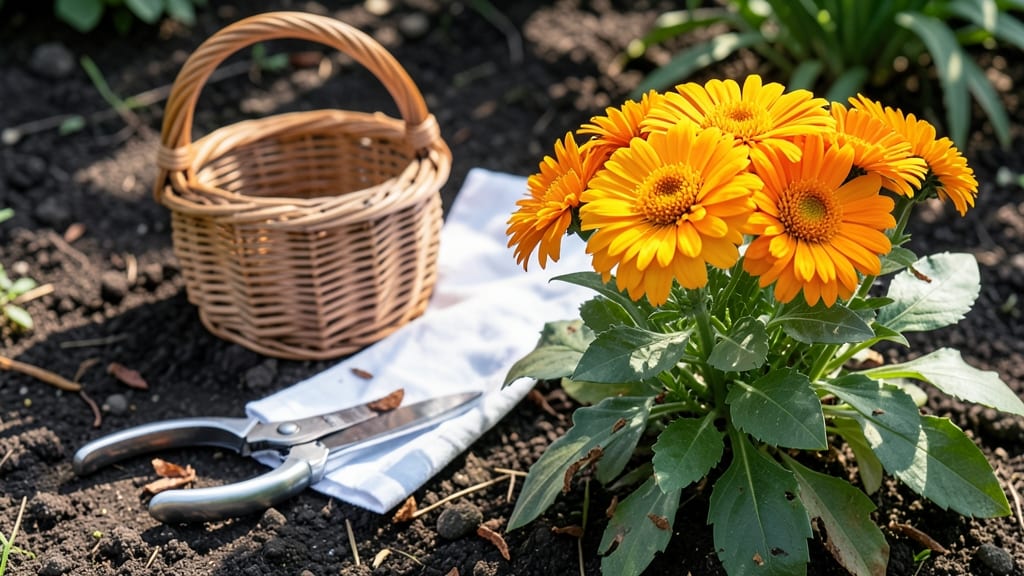
Harvesting calendula for tea might seem simple, but timing and technique make all the difference between a soothing cup and one that falls flat. The key lies in picking flowers at the perfect stage—fully open but before they wilt—when their medicinal properties and vibrant flavors peak.
If you're growing calendula in Zone 6a, you’ll want to start harvesting as early as June, when those bright 🌼 petals are at their most potent. But don’t rush—waiting until morning ensures dew-free petals, which dry faster and retain more flavor.
Whether you’re brewing a calming tea or a culinary infusion, these small details transform your harvest.
Once you’ve picked the right flowers, the next challenge is drying them properly. Skipping this step or doing it wrong can ruin the delicate petals, leaving you with weak tea.
I’ll walk you through the best methods—from air-drying to using a dehydrator—so you can store your calendula for months without losing its golden hue or healing benefits.
Ready to turn your garden into a pharmacy? By the end of this guide, you’ll know exactly when to harvest, how to dry, and even how to store your calendula for the best tea every time. Let’s get started!


When and how to harvest calendula flowers for maximum tea flavor
Harvesting calendula at the perfect stage ensures your herbal tea has the best flavor and medicinal properties. The optimal time is when flowers are fully open but haven’t yet wilted—typically mid-morning after dew has evaporated. This timing preserves volatile oils and vibrant colors in your petals.
Look for bright orange or yellow petals with centers just beginning to brown. Avoid harvesting when flowers are damp or after heavy rain, as moisture can reduce drying efficiency and encourage mold. Always use clean, sharp scissors or pruners to avoid damaging stems or spreading disease.
🌼 Calendula Harvesting Summary
| Stage | Key Features | Best Time to Harvest |
|---|---|---|
| Bud Stage | Petals tightly closed | Not ready |
| Early Bloom | Petals unfurling, bright color | Ideal for tea |
| Full Bloom | Petals fully open, center browning | Best quality |
| Late Bloom | Petals wilted, brown edges | Avoid |
💡 Pro Tip: Harvest on dry mornings after dew evaporates for cleaner petals.
For continuous harvests, pinch off spent blooms regularly to encourage new growth. Never remove more than one-third of flowers at once, as this can stress the plant. Seasonal timing matters too—peak harvest occurs from June to October in most climates, aligning with calendula’s natural blooming cycle.
Always harvest above a leaf node to promote bushier growth. Use your fingers to gently strip petals from the flower head, leaving the base intact. This method preserves the plant’s energy for future blooms while giving you clean petals free of green stems.
Weather plays a crucial role in harvesting. Avoid picking after rain or dew, as moisture can lead to moldy petals during drying. Aim for sunny days with low humidity—ideal conditions for preserving calendula’s antioxidant-rich properties. Morning harvests yield the freshest petals for your tea blends.
If you’re harvesting for large batches, consider using a bucket with a lid to collect petals. Label your containers with the harvest date to track freshness. For small-scale tea makers, a simple bowl works perfectly—just ensure it’s clean to avoid contamination.
After harvesting, remove all green stems and leaves from the petals, as these can make your tea bitter. Spread petals in a single layer on a drying surface to ensure even exposure to air. This step is critical for retaining color and potency in your final tea infusion.
For best results, harvest calendula every 2-3 days during peak bloom. This frequent picking encourages prolonged flowering and a steady supply of fresh petals. Just be mindful not to over-harvest—your plant needs time to recover between sessions.
Once you’ve mastered the harvesting technique, experiment with different tea blends using calendula. Pair it with chamomile for a soothing evening tea or mix with peppermint for a refreshing daytime brew. The key to a flavorful cup lies in starting with perfectly harvested petals.
When and how to harvest calendula flowers for maximum tea flavor
Timing is everything when harvesting calendula for tea—picking flowers at the wrong stage can turn your herbal infusion bitter or weak. Aim for fully open blooms with vibrant petals and just a hint of brown in the center. This peak ripeness ensures maximum flavonoids and antioxidants for your tea.
Morning harvests yield the brightest petals and highest essential oils, as dew has evaporated but heat hasn’t yet stressed the flowers. Avoid harvesting after rain or when humidity is high, as damp petals dry poorly and may develop mold during storage.
| Stage | Petal Appearance | Best For Tea? | Harvest Tip |
|---|---|---|---|
| Bud Stage | Tightly closed petals | ❌ Too mild | Wait for full bloom |
| Early Bloom | Partially open, pale | ⚠️ Weak flavor | Harvest when fully unfurled |
| Peak Bloom | Fully open, vibrant | ✅ Best flavor | Harvest before center browns |
| Late Bloom | Wilted, brown center | ❌ Bitter taste | Avoid for tea |
Use a pair of clean pruning shears to snip stems about 2-3 inches below the flower head. This encourages new growth and prevents disease transmission between cuts. Always harvest dry, sunny days to reduce moisture in the petals, which speeds up drying time and preserves color.
For continuous harvests, focus on outer flowers first to maintain plant health. Calendula blooms profusely when given 6+ hours of sunlight and well-draining soil, so prioritize healthy plants by avoiding over-harvesting from a single stem.
Store freshly harvested flowers in a paper bag (not plastic) in a cool, dark place for up to 24 hours before drying. This brief rest period helps preserve essential oils that give your tea its signature earthy-sweet flavor.
During the peak harvest season (June-October), expect 2-3 harvests per week from a single plant if given proper care. Early morning is ideal for harvesting, as this is when essential oil content peaks and petals are at their freshest.