
Picking
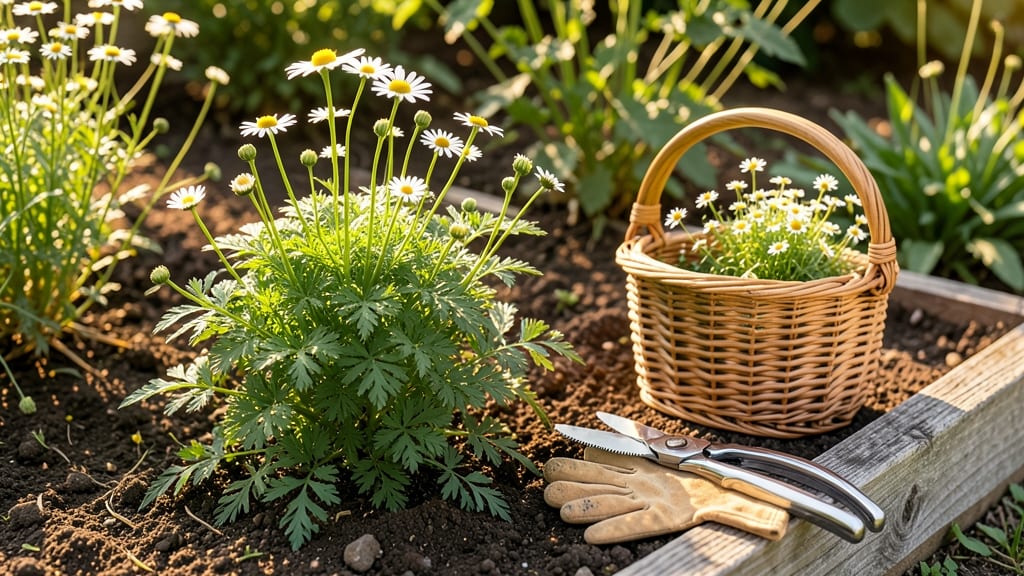
Harvesting chamomile at the right moment transforms a handful of flowers into golden tea or fragrant bouquets. ✨ The secret lies in timing—picking when the petals are fully open but before they brown, usually between 9 AM and 11 AM when dew has dried but heat hasn’t stressed the blooms.
I learned this the hard way after harvesting too late one summer, only to find bitter, wilted petals that ruined my tea.
You’ll need sharp scissors or pruners to avoid damaging the stems, and a basket or breathable bag to collect your harvest. Chamomile thrives in late spring to early fall, but the best flavor comes from flowers picked in June and July when the plants are at their peak.
For tea, harvest the entire flower head, while bouquets benefit from leaving a few lower blooms to add volume.
Once picked, lay the flowers in a single layer on a tray to dry in a dark, well-ventilated spot for 1-2 weeks. The dried petals should crumble easily between your fingers—if they don’t, they’re not ready.
Proper drying preserves their soothing aroma and medicinal properties, whether you’re making tea, sachets, or potpourri.
Over-harvesting weakens the plant, so never take more than one-third of the blooms at a time. If you miss the perfect window, chamomile is forgiving—just wait for the next flush of flowers. The key is consistency: a little effort now means a steady supply of fragrant blooms all season long.
📚 In This Guide
- What you need
- Instructions
- Tips and common mistakes
- Wrapping up and next steps
What you need
- ● Pruning shears or sharp scissors: A pair of clean, sharp pruning shears (or even garden scissors) will make cutting chamomile stems effortless. Opt for bypass-style shears (not anvil-type) to avoid crushing delicate stems. Quantity: 1 pair.
- ○ Glove: A lightweight gardening glove to protect your hands from prickly stems or dirt. Optional but recommended: Nitrile gloves if you’re sensitive to plant sap.
- ● Harvesting basket or breathable cloth bag: A shallow basket with holes (to allow airflow) or a soft, breathable fabric bag (like muslin) to collect flowers. Avoid plastic bags—they trap moisture and cause flowers to spoil faster. Size: Large enough to hold at least 1-2 cups of flowers.
- ○ Bucket of water (optional but handy): A small bucket or bowl of cool water to rinse harvested flowers if they’re dirty or dusty. Tip: Use filtered or distilled water to avoid chlorine exposure.
- ● Timing: Harvest on a dry, sunny morning after the dew has evaporated but before the heat of the day. Chamomile flowers should be fully open (white petals spread wide) and dry to the touch.
- ● Healthy plants: Only harvest from organic, pesticide-free chamomile plants. If your garden has been treated with chemicals, wait at least 30 days after the last application.
- ● Weather check: Avoid harvesting after rain or if humidity is high—moisture speeds up spoilage and mold growth.
- ● A small fan or drying rack to speed up the drying process if you’re processing flowers indoors.
- ● Food-grade silica gel packets (for long-term storage) to absorb excess moisture in dried flowers.
- ● Labeling tags to mark harvest dates if you’re drying flowers for later use.
Step-by-Step instructions for harvesting chamomile flowers
Timing and technique make all the difference—here’s how to harvest chamomile at its absolute best.
☀️ Step 1: Wait for the Right Weather and Flower Stage
Chamomile flowers reach peak potency when fully open but before the petals start curling back. The ideal moment is on a dry, sunny morning after dew has evaporated—this preserves the delicate oils. Look for buds where the white petals form a perfect, flat disk around the yellow center.
If you harvest too early, the flowers won’t have developed their full medicinal properties. Too late, and the petals lose their gentle, apple-like scent. I always check a few flowers first—if the center is still tightly closed, wait another day or two. This is where patience pays off.
✂️ Step 2: Cut Flowers at the Perfect Time of Day
Harvest early morning when the flowers are fully hydrated and the essential oils are most concentrated. Use clean, sharp scissors or pruning shears—dull blades crush stems and invite rot. Cut just above the first set of leaves where the stem meets the plant, leaving about ½ inch of growth to encourage bushier regrowth.
Don’t pull flowers by hand unless you’re harvesting just a few for immediate use. Tugging can uproot the plant or damage the delicate stems. I like to work in batches: harvest one section at a time, then move to the next area of the plant. This keeps the process efficient and prevents overharvesting in one spot.
🌿 Step 3: Dry Flowers Properly for Maximum Potency
Lay harvested chamomile flowers in a single layer on a clean, dry surface like a wire rack or paper towel. Choose a dark, well-ventilated area with temperatures between 70-80°F—avoid direct sunlight, which can degrade the delicate compounds. Turn the flowers gently every 2-3 hours to ensure even drying.
They’re ready when the petals crumble easily between your fingers (about 3-5 days). Store dried chamomile in an airtight glass jar away from light and moisture. Proper drying preserves the calming properties—if you rush it, the flowers may retain too much moisture and spoil faster.
💧 Step 4: Store for Long-Term Use (or Use Fresh)
Fresh chamomile flowers can be used immediately in teas, tinctures, or infused oils. For long-term storage, place dried flowers in a dark glass jar and keep them in a cool, dry place. Label with the date—properly stored chamomile retains its potency for up to 1 year, though it’s best used within 6 months for peak flavor and therapeutic benefits.
Here’s the thing—if you harvest too aggressively, you’ll stunt the plant’s growth. Always leave at least ⅓ of the plant’s flowers to ensure continuous blooming. I like to harvest chamomile in small batches weekly rather than taking everything at once. This keeps the plant productive and your supply steady.
Tips & tricks for perfect chamomile harvesting
Timing and technique transform ordinary chamomile into a powerhouse of soothing benefits—here's how to get it right every time.
The Weather Factor: I can't stress this enough—harvesting on a dry morning after dew has evaporated is non-negotiable. That morning dew contains moisture that can dilute the delicate essential oils you're trying to preserve. If you must harvest later in the day, wait until the flowers are completely dry to the touch, but the early morning is truly when the oils are most concentrated. The difference in potency is noticeable when you brew it later!
Harvesting Technique: Using clean, sharp scissors is absolutely critical in Step 2—dull blades crush stems and can introduce rot. I've ruined batches by using garden shears that weren't clean enough. Always sanitize your tools with rubbing alcohol before harvesting. And that ½-inch rule? It's not just about regrowth—it's about encouraging the plant to produce more flowers. You'll get a second flush of blooms in about 3 weeks if you follow this exactly.
Drying Secrets: The 2-3 hour turning schedule in Step 3 is where most people fail. Set a timer! Uneven drying leads to mold or flowers that crumble too quickly. I use a small fan on low to circulate air gently—this cuts drying time to about 2-3 days instead of 4-5. Just avoid direct airflow that could scatter your precious petals. And that 70-80°F range? Your kitchen might be perfect for this—just avoid that sunny windowsill!
Storage Wisdom: The 6-month window for peak potency is real, but here's what nobody tells you: store your chamomile with a tiny piece of dried apple peel in the jar. The natural pectin helps preserve the delicate compounds longer. And when you're ready to use it, crush the dried flowers just before steeping—this releases all those calming properties you worked so hard to preserve.
Pro Tips for Harvest Chamomile Flowers
- Timing and technique transform ordinary chamomile into a powerhouse of soothing benefits—here's how to get it right every time.
- The Weather Factor: I can't stress this enough—harvesting on a dry morning after dew has evaporated is non-negotiable.
- Harvesting Technique: Using clean, sharp scissors is absolutely critical in Step 2—dull blades crush stems and can introduce rot.
Frequently asked questions
Got questions about harvesting chamomile? You’re not alone! Here are answers to the most common queries—so you can pick like a pro and avoid rookie mistakes.
When is the best time of day to harvest chamomile flowers?
The golden rule: harvest in the morning after the dew dries but before the sun peaks (around 10 AM). This ensures the highest concentration of essential oils and prevents wilting. Avoid harvesting after rain—wet flowers attract pests and mold. Pro tip: German chamomile (the most common type) blooms best in full sun, so time your harvest with its daily rhythm!
How long does it take for chamomile flowers to regrow after harvesting?
Chamomile is resilient! With proper care, new blooms typically appear 7–14 days after harvesting. To encourage regrowth, trim stems just above a set of leaves (about 1–2 inches from the base) and water thoroughly. Avoid over-harvesting—leave at least 1/3 of the plant intact to sustain energy. If your plant struggles, it might need more sunlight or nutrients (like compost).
Can I harvest chamomile flowers if it’s raining or humid?
Nope!
Wet flowers are a no-go—they’re prone to mold, mildew, and bacterial growth, which ruins their flavor and medicinal properties. Wait for dry, sunny conditions (even if it’s slightly overcast). If you must harvest in damp weather, use a fan or dehydrator immediately to dry the flowers. Safety first! Wet chamomile can also attract slugs or pests to your garden.
What if my chamomile plant isn’t flowering? How can I fix it?
No flowers? Don’t panic—it’s usually a care issue! Chamomile thrives in full sun (6+ hours/day) and well-draining soil. Try these fixes:
- More sunlight: Move pots to a sunnier spot or thin nearby plants blocking light.
- Water wisely: Keep soil moist but not soggy (overwatering stresses roots).
- Fertilize lightly: Use a balanced, low-nitrogen fertilizer (like 5-5-5) in early spring.
- Prune aggressively: Cut back leggy growth to encourage bushier, flower-heavy regrowth.
Can I use chamomile flowers from my garden for tea immediately after harvesting?
Freshly picked chamomile is technically usable for tea, but dried flowers pack more flavor and potency. For the best brew, dry your harvest first (hang upside-down in a dark, airy spot for 1–2 weeks or use a dehydrator at 95°F). If you’re in a hurry, use fresh flowers sparingly—steep them for 5–10 minutes (longer = bitter taste). Store dried chamomile in an airtight container away from light to preserve its magic!
Wrapping up and next steps
Harvesting chamomile at its peak—when those delicate white-and-yellow blooms are fully open but still fresh—is all about timing, patience, and gentle care. 🌼 Whether you’re drying them for tea, crafts, or remedies, mastering these steps ensures you’ll always get the best flavor and potency.
Now that you’re armed with the know-how, why not try it out this weekend? Grab your shears, head to your garden (or a local meadow with permission!), and enjoy the soothing process—your future chamomile tea (or dream pillow!) will thank you!