
How To
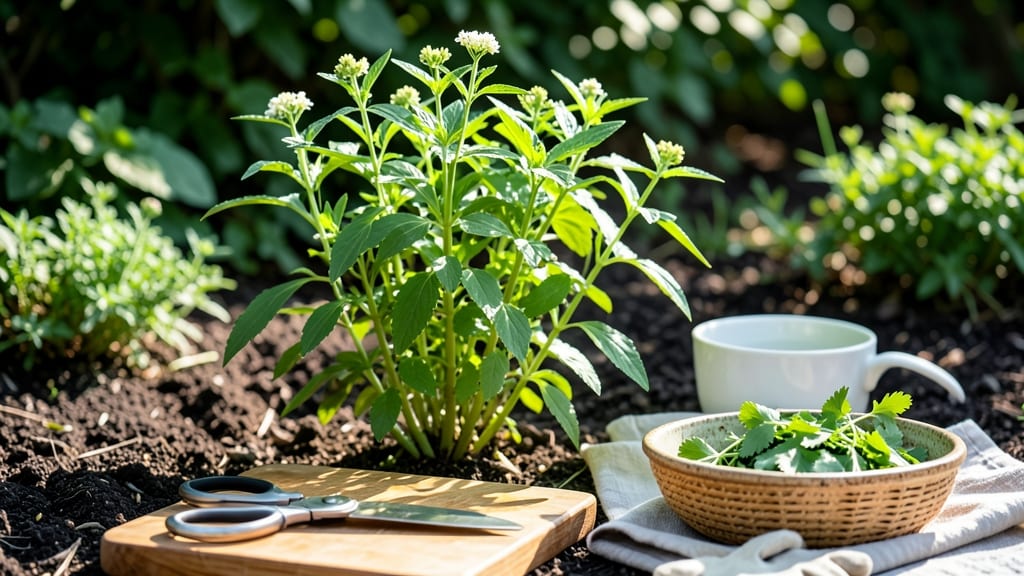
If you’ve ever wondered how to harvest culantro without turning your kitchen herb into a sad, woody relic, you’re in the right place. This vibrant 🌿 herb—with its bright, citrusy kick—is a game-changer in salsas, soups, and stir-fries, but only if you know the perfect timing and technique.
Most gardeners make the mistake of yanking leaves or cutting stems too short, which stunts growth and dulls flavor. The secret? A gentle, leaf-by-leaf approach that keeps your plant happy and your harvest abundant.
Whether you’re growing culantro in USDA Zone 6a or on your windowsill, these simple steps will ensure you’re always snipping at peak freshness.
You’ll learn exactly when to harvest—June through September is prime time—how to tell if your leaves are ready (hint: they should be 4-6 inches tall and vibrant), and the best cutting methods to encourage regrowth. No more wilted, bitter herbs—just a steady supply of flavor-packed greens.
Ready to transform your culantro from a struggling plant to a kitchen staple? Let’s dive into the easiest, most effective way to harvest it like a pro, so you can enjoy its bold taste all season long.


When and how to harvest culantro for maximum flavor and growth
Harvesting culantro at the right time ensures peak flavor and encourages vigorous regrowth. Unlike cilantro, which bolts quickly, culantro stays productive for months if harvested correctly. The key is to pick leaves when they're 4-6 inches tall—this is when their citrusy-anise flavor is strongest.
Wait too long, and the leaves become bitter or woody, ruining both your plant and your dishes.
For indoor plants, check leaves every 2-3 days—they grow faster in containers. Outdoor plants need monitoring every 3-5 days, especially in warm climates where growth accelerates.
Always harvest in the morning when leaves are hydrated and flavors are most concentrated. This simple habit makes all the difference in taste and plant health.
🌿
Look for leaves that are fully expanded (4-6 inches long) with vibrant green color. Avoid harvesting leaves near the base—these are younger and more tender.
Pinch or cut individual leaves just above a leaf node (the point where leaves meet the stem). This encourages new growth from that spot while preserving the plant's structure.
Never trim stems shorter than 2 inches from the base. This prevents woody growth and ensures the plant can regenerate leaves efficiently.
For culantro seeds, wait until seed pods turn brown and dry. Cut entire stems and hang them upside down to dry. Seeds are best used whole in spice blends or ground for cooking.
Rinse harvested leaves in cool water and pat dry with a paper towel. Store in a sealed container with a damp paper towel to maintain freshness for up to 5-7 days.
Seasonal timing matters too. In spring and fall, culantro grows slower, so harvest every 5-7 days. During summer's heat, growth speeds up—check your plant every 2-3 days to avoid over-maturity.
If you notice flower stalks forming, it's a sign your plant is stressed; trim them immediately to redirect energy to leaf production.
Pro tip: Rotate your harvest around the plant. For example, pick leaves from the south side one day and the north side the next. This ensures even growth and prevents one side from becoming overcrowded. Think of it like giving your culantro a balanced haircut—everywhere gets attention!
If your culantro starts looking leggy or sparse, it’s time to prune aggressively. Cut back one-third of the plant to encourage bushier growth. Just avoid trimming more than 30% at once, or you’ll shock the roots.
After pruning, give your plant a light fertilizer (like a 5-10-10 blend) to support recovery.
For container-grown culantro, harvest even more frequently—every 2 days if possible. The confined space speeds up growth, and regular harvesting prevents the plant from becoming root-bound.
Always use clean, sharp scissors or pruners to avoid damaging stems. A dull blade crushes tissues, inviting pests and diseases to move in.
🌱
Remember, the golden rule of harvesting culantro is consistency. A well-maintained plant will reward you with lush, flavorful leaves for months. Skip harvesting for a week, and you’ll notice a difference in both taste and plant vigor.
Stay on top of it, and your culantro will thrive—ready to elevate every dish with its bright, citrusy punch.
When and how to harvest culantro for maximum flavor and growth
Harvesting culantro at the right time ensures maximum flavor and encourages continuous regrowth. Unlike its cousin cilantro, culantro thrives when you harvest its leaves regularly, but timing is everything.
The best time to harvest is when the leaves reach 4-6 inches—this is when their citrusy, anise-like flavor peaks.
For indoor plants, you can harvest year-round as long as they receive 4-6 hours of sunlight daily. Outdoor plants, however, should be harvested during their peak growing season, typically from June to September in most climates.
If you wait too long, the leaves become woody and bitter, ruining their culinary potential.
Step-by-Step Harvesting Guide
If you’re growing culantro for seeds, wait until the plant bolts (sends up a tall flower stalk). The seeds form in small white flowers and can be harvested once they turn brown and dry.
However, seed production means the plant is nearing the end of its life, so save seeds for future planting if you want to keep harvesting leaves.
For outdoor culantro, harvest on dry, sunny mornings to avoid fungal issues from damp leaves. If you’re growing in containers, rotate the pot every few weeks to ensure even sunlight exposure and prevent lopsided growth.
With the right technique, your culantro can keep producing fresh, flavorful leaves for months! 🌿