
How To
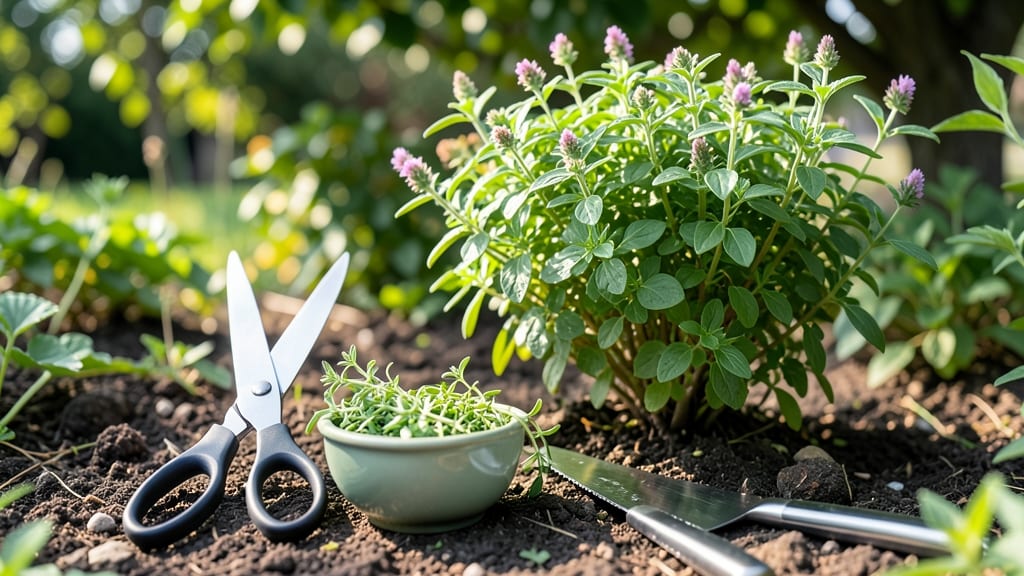
There’s nothing like the burst of flavor from how to harvest fresh oregano at its peak—freshly harvested leaves pack a punch of vibrant, earthy aroma. But timing your harvest wrong can turn that bold taste into something bitter and weak.
If you’ve ever wondered when to snip those fragrant leaves for the best flavor, you’re in the right place.
Harvesting oregano at the right stage isn’t just about getting leaves—it’s about preserving that bold, earthy flavor that makes dishes sing. From June to September, your oregano is at its peak, but there’s a sweet spot where the leaves are lush, aromatic, and ready for the kitchen.
I’ll walk you through the exact moments to harvest, how to trim without harming your plant, and even how to store your bounty so it stays fresh for months. No more guessing—just flavor-packed oregano, every time.
Whether you’re a seasoned gardener or just starting, these tips will turn your oregano patch into a year-round flavor factory. Let’s get those scissors sharp and those leaves vibrant!


The best time and method to harvest oregano for maximum flavor
Timing your oregano harvest is everything—pick at the wrong moment, and you’ll sacrifice flavor and encourage woody stems. The ideal harvest window spans from late spring to early fall, specifically June through September in most climates.
This aligns perfectly with oregano’s growth cycle, when leaves are fully developed and aromatic but before the plant puts energy into flowering.
Look for these key visual cues to know your oregano is ready: leaves should be dark green and vibrant, stems slightly woody but not hard, and the plant should emit a strong, pleasant fragrance when crushed.
If you see buds forming, you’ve missed the boat—harvesting after flowering reduces potency and can stress the plant.
Never harvest when leaves are small and sparse or when the plant lacks aroma—this usually happens in early spring or after a hard frost. Patience pays off; wait until your oregano reaches 6-12 inches tall for the best flavor profile.
- ✅ Best Time: June–September (before flowering)
- ✅ Plant Height: 6–12 inches (woody stems, tender leaves)
- ✅ Leaf Color: Dark green and vibrant (avoid pale or yellowing leaves)
- ✅ Aroma Test: Strong, pungent scent when crushed
- ✅ Avoid: Harvesting after buds form (reduces flavor)
- ✅ Prune Rule: Never remove more than 1/3 of the plant at once
- ✅ Tools: Sharp pruners or clean scissors (sterilize with rubbing alcohol)
- ✅ Post-Harvest: Revive by trimming just above a leaf node
When harvesting, always use clean, sharp pruners or scissors to avoid damaging stems. Cut just above a leaf node (where leaves meet the stem) to encourage new growth. This technique promotes a bushier plant and prevents woody stems from dominating.
For larger harvests, trim stems back by 1/3—this maintains the plant’s shape while stimulating fresh foliage.
Pro tip: Harvest in the morning after dew dries for the freshest leaves. Avoid harvesting at night or after rain, as moisture can promote fungal growth. If your oregano looks stressed after a heavy harvest, give it a week to recover before pruning again.
Oregano is a perennial herb, meaning it regrows year after year with proper care. To keep your plant thriving, harvest regularly (every 4–6 weeks) during its active growing season. This prevents overgrowth and ensures a steady supply of flavorful leaves throughout the summer and into early fall.
If you’re growing oregano in containers, the same rules apply—but be extra cautious not to over-harvest, as potted plants have limited root space. Container-grown oregano may need more frequent watering after harvesting to compensate for lost foliage.
For drought-prone areas, reduce harvest frequency during heatwaves. Oregano is naturally drought-tolerant, but excessive pruning can stress the plant. Always check soil moisture before harvesting—dry soil means the plant needs water first.
Finally, don’t forget to sterilize your tools between harvests to prevent disease. A quick wipe with rubbing alcohol keeps your oregano healthy and productive for years to come. With the right timing and technique, you’ll enjoy a bountiful, aromatic harvest every season.
The best time and method to harvest oregano for maximum flavor
Harvesting your fresh oregano at the right time ensures bold flavor and encourages lush regrowth. The peak harvest window spans from late spring to early fall, ideally between June and September, when leaves are fully developed and fragrant.
If you wait until flowers appear, the flavor weakens and the plant shifts energy to seed production instead of leaf growth.
Look for dark green, vibrant leaves with a strong aroma—these are your cues. The plant should be at least 6-12 inches tall with woody stems but still tender leaves.
Sniff the foliage: if it smells intensely herbal, it’s ready for harvest. Ignoring these signs means missing the flavor peak and risking a bitter taste.
Cut stems when leaves are fully developed but before buds form. Flowering signals the end of peak flavor.
Prune with bypass pruners or clean scissors to avoid crushing stems. Disinfect tools with rubbing alcohol to prevent disease.
Never remove more than one-third of the plant at once. This prevents stress and ensures bushier regrowth.
Pick leaves when dew has dried (after 9 AM) for maximum oil content and flavor.
After trimming, water the base and add compost to replenish nutrients. This helps the plant recover faster.
After harvesting, your oregano may look slightly leggy, but don’t worry—it’s normal. Within 2-3 weeks, new growth will sprout from the base, and the plant will regain its compact shape.
For year-round harvests, space cuts 4-6 weeks apart during the growing season. If you live in USDA Zone 8+, you can even harvest lightly in winter when the plant isn’t dormant.
Pro tip: If your oregano starts looking woody or sparse, it’s time to renew the plant. Dig up the root ball, trim back half the stems, and replant.
This rejuvenation pruning often brings back vigorous growth in 4-6 weeks. With the right timing and care, your oregano will keep delivering aromatic, flavorful leaves for years.
🌿