
How To
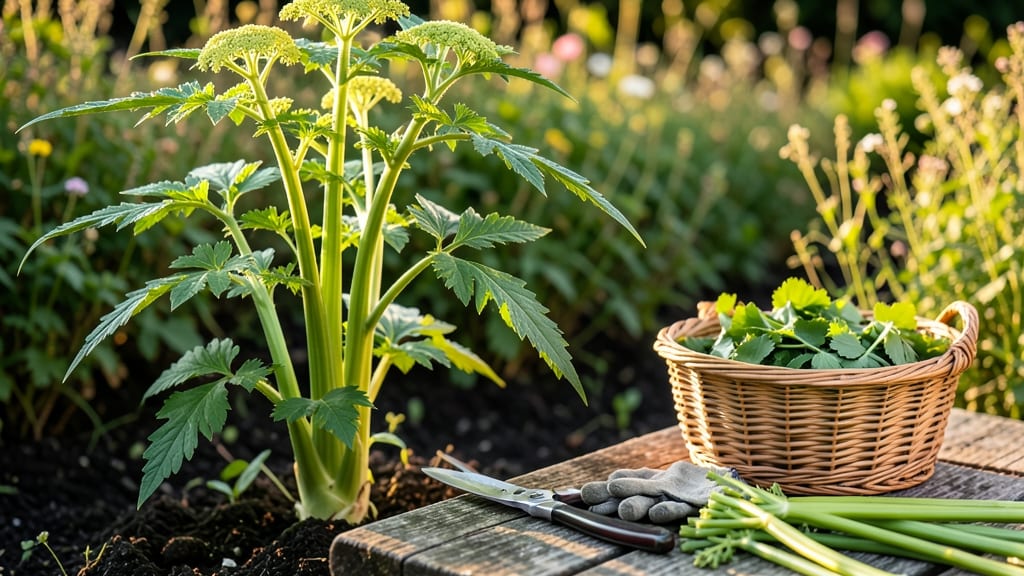
Harvesting lovage at the right time can transform your garden into a flavor powerhouse—those towering 18-inch stems packed with anise-like aroma are worth the wait. But if you snip too early or too late, you’ll miss out on that bold, sweet taste that makes lovage a kitchen game-changer.
I’ve learned the hard way that timing is everything—harvesting before flowering ensures the most potent leaves, while waiting too long turns them bitter.
Whether you’re growing lovage in USDA Zone 6a or just experimenting in your backyard, knowing when and how to cut stems will keep your plant thriving for years. Let’s dive into the exact steps to maximize yield without sacrificing future growth.
From recognizing the perfect June-October harvest window to preserving your bounty through drying or freezing, this guide covers everything. You’ll discover how to cut stems cleanly, avoid common mistakes, and even repurpose leftover stalks for culinary or medicinal uses. Ready to turn your lovage into a year-round resource?
The key to sustainable harvesting lies in balance—taking just enough to enjoy fresh flavor while leaving your 🌿 lovage plant strong for next season. By the end, you’ll know exactly when to reach for those stems and how to store them for months of delicious cooking.


When and how to harvest lovage stems for maximum flavor
Harvesting lovage at the right time transforms its bold, anise-like flavor from good to extraordinary. The key moment arrives when stems reach 18 inches tall—this is when the plant’s essential oils peak, delivering that signature celery-celery hybrid taste we all love.
Waiting too long risks bitterness, while harvesting too early means missing out on full potency.
For leaf harvests, focus on the plant’s outer stems first. These mature faster and regrow more reliably than the central stems. Use clean, sharp pruning shears to cut just above a leaf node, leaving at least 6 inches of growth to encourage bushier regrowth.
This method keeps your lovage productive for years.
Seasonal timing matters too. In spring, harvest leaves as soon as they reach 12-18 inches—this is when the flavor is most delicate. By late summer, focus on the flowering stems for seed heads, but prioritize leaf harvests before the plant bolts. Fall harvests can continue until the first frost, though flavor intensity naturally declines as temperatures drop.
Here’s the science: Lovage’s essential oils (the compounds that give it that signature taste) concentrate in the stems and leaves during active growth. When stems hit 18 inches, oil production peaks—this is your flavor sweet spot.
Cutting at this stage ensures you’re harvesting at maximum potency without letting the plant divert energy to seed production, which reduces flavor quality.
Harvest at 18 inches
Stems must be firm and sturdy with deep green leaves—this is peak flavor.
Use pruning shears
Clean cuts above leaf nodes prevent disease and encourage bushier regrowth.
Prioritize outer stems
Leave central stems for later to maintain plant structure and future harvests.
Harvest before flowering
Flowering shifts energy to seeds, reducing leaf flavor—cut back flower stalks to redirect growth.
Pro tip: If you’re growing lovage for its roots (which store well for winter), wait until fall of the second or third year after planting. Dig carefully with a fork or spade, shaking off excess soil before storing in a cool, dark place.
Roots can keep for months this way, making them a gardener’s winter stash.
For continuous harvests, space out your cuts every 2-3 weeks during the growing season. This prevents over-stressing the plant and ensures a steady supply of fresh lovage. Just avoid taking more than one-third of the plant’s foliage at once—this rule keeps your lovage healthy and productive for years.
One common mistake is harvesting lovage after it bolts. Once the plant flowers, its energy shifts from leaves to seeds, and the flavor becomes bitter and woody.
If you miss the window, you can still use the stems, but they’re best for stocks or teas rather than fresh cooking. Always check for vibrant green leaves and firm stems before cutting.
After harvesting, rinse the stems under cool water to remove dirt and debris. Pat dry gently with a clean towel or let air-dry for a few hours before storing.
For immediate use, store in the fridge in a sealed container with a paper towel to absorb moisture—this keeps lovage fresh for up to 10 days. For long-term storage, drying or freezing is your best bet.
Remember, lovage is a perennial, meaning it comes back year after year with proper care. By harvesting smartly—cutting at 18 inches, leaving regrowth, and avoiding over-harvesting—you’ll enjoy a bountiful supply of this versatile herb for seasons to come. Happy harvesting! 🌿
When and how to harvest lovage stems for maximum flavor
Lovage’s bold, anise-like flavor peaks when stems reach 18 inches tall, but timing matters—harvest too early and you’ll miss potency, too late and the taste turns bitter. The key is watching for vibrant green foliage and thick, woody stems before flowering begins.
This is when lovage’s essential oils are at their highest concentration, making your harvest worth the wait.
For leaf harvests, focus on the outer stems first—this encourages regrowth while preserving the plant’s center. Use clean, sharp pruners to cut just above a leaf node, leaving at least 6 inches of growth to sustain the plant.
Avoid tearing leaves, as this damages the plant and reduces future yields.
Spring and early summer are the ideal harvest windows for lovage, but you can also harvest in fall before frost. If you miss the spring harvest, don’t worry—lovage is a perennial herb that regrows each year.
Just avoid cutting back more than one-third of the plant in a single season to prevent stress. For root harvests, wait until fall of the second or third year when the roots are fully developed.
Pro tip: Morning harvests yield the freshest lovage, as the plant’s essential oils are most concentrated after a night’s rest. Store harvested stems in a perforated bag in the fridge for up to 5 days, or process them immediately for drying or freezing.
This preserves that distinctive celery-parsley flavor that makes lovage so special in soups, teas, and pest-control remedies.
If your lovage starts to bolt (flower), it’s a sign to harvest immediately—even if the stems aren’t at 18 inches. Bolting means the plant is shifting energy from leaves to seeds, and the flavor will turn woody and bitter.
Cut the entire stem at the base and use it right away in cooking or preservation to salvage what you can.
For sustainable harvesting, rotate which stems you cut each time. This encourages even growth and prevents the plant from becoming lopsided. Mulch around the base with compost or straw after harvesting to retain moisture and protect roots during hot or cold spells.
With the right care, your lovage plant can produce harvests for decades—making it a true garden workhorse.