
How To
Harvesting magnolia seeds 🌸 at the wrong time could mean losing your chance to grow a stunning tree for years—yet most gardeners miss the perfect window. You don’t want to wait too long and risk dried-out seeds, but harvesting too early guarantees poor germination.
The key is knowing exactly when those seed pods are ready to pick, and how to handle them once they’re in your hands.
If you’ve ever watched a magnolia’s seed pods turn from green to brown and wondered, "Is this the right moment?"—you’re not alone. The ideal harvest window for most magnolias falls between late fall and winter, but timing varies by species.
I’ll show you how to spot the signs of readiness, like dry, papery pods that split open easily, so you never miss the moment when seeds are at their peak viability.
Beyond just picking the right time, there’s an art to extracting and storing magnolia seeds to keep them viable for planting. One wrong move—like improper drying or skipping stratification—can tank your germination rates.
Don’t worry, though; I’ll walk you through the step-by-step process, from collecting pods to preparing seeds for planting, so you can maximize your chances of growing a thriving magnolia from scratch.
Whether you’re a seasoned gardener or just starting with magnolias, this guide will help you avoid common pitfalls and set yourself up for success. Ready to turn those seeds into a future shade tree? Let’s get started.


When and how to identify ripe magnolia seeds for harvesting
Harvesting magnolia seeds at the right moment is critical for viable germination. Most magnolia varieties—like Southern, Sweet, or Saucer magnolias—produce seeds 6-12 months after flowering. Timing varies by species, but all share key visual cues to watch for.
Start by monitoring the seed pods after your magnolia blooms. Initially, they’ll be green and firm, but as they mature, they’ll transition to a dry, papery brown. This color shift signals the seeds inside are nearing readiness.
For Southern magnolias, pods typically ripen in late fall to winter (October–December), while Sweet magnolias may take until early winter. Regional climate affects timing—warmer zones like USDA Zone 8 may see earlier harvests than colder Zone 6 areas.
Key visual cues include pods that split open naturally along seams, exposing dark brown/black seeds inside. Shake a ripe pod—if seeds rattle, they’re ready. Avoid harvesting when pods are still green or tightly closed.
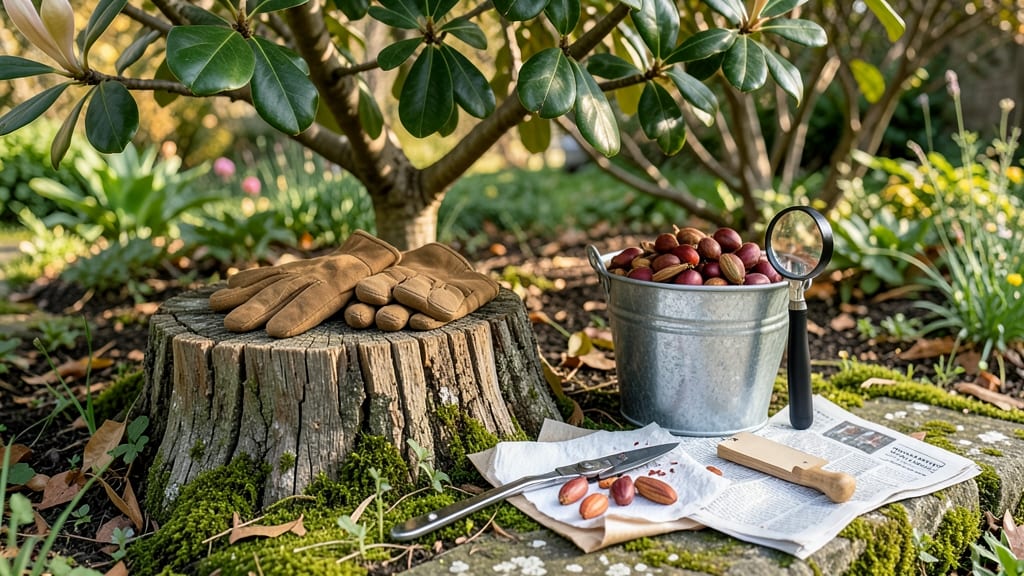
Pro tip: Use a magnifying glass to inspect seed color. Viable seeds should be plump and firm, not shriveled or hollow. Light-colored or wrinkled seeds won’t germinate.
If you miss the natural split, pods may burst open in winter storms, scattering seeds. To prevent loss, harvest pods before they open—even if slightly underripe. Store them in a paper bag in a cool, dry place to finish drying.
For regional adjustments, note that cooler climates (e.g., Zone 6) may delay ripening until January, while warmer zones (e.g., Zone 9) could see harvests as early as October. Always prioritize dry, mature pods over rushing the process.
Once pods are ripe, act quickly—seeds lose viability within 2–4 weeks if left exposed to moisture. Use a pruning saw or sharp scissors to cut stems, leaving 1–2 inches attached to pods for easier handling.
🌸
Step-by-step harvesting process to preserve seed viability
Harvesting magnolia seeds requires precision to ensure high viability and germination success. Start by collecting fully mature pods—those that are brown, dry, and split open—typically between October and December in most US regions.
Use clean, sharp pruning shears to cut pods from the tree, leaving the stem attached to prevent damage.
Once collected, place pods in a well-ventilated area like a shady, dry spot (e.g., a garage or covered porch) to fully dry for 1-2 weeks. Avoid direct sunlight, which can overheat and crack seeds.
Gently shake pods daily to accelerate drying and check for seed readiness—they should rattle when shaken and open easily with light pressure.
Premature Harvesting: Picking green pods reduces viability by 70%. Wait until pods are fully brown and dry.
Improper Drying: Seeds dried too quickly (e.g., in direct heat) can shrink and lose germination. Use indirect airflow only.
Contaminated Seeds: Dirty pods may harbor fungus or pests. Clean seeds with a soft brush before storage.
Extract seeds by splitting open pods with your fingers or a clean knife. Remove any shriveled or discolored seeds, as these won’t germinate. Store viable seeds in a paper envelope or breathable bag with a silica gel packet to absorb moisture.
Label the bag with the harvest date and magnolia variety (e.g., "Southern Magnolia, 2024").
For long-term storage, place sealed bags in the refrigerator (35–40°F) for up to 6 months. Avoid freezing, which can damage seed membranes. Test a small batch for germination readiness before full-scale planting—this ensures you’re not wasting viable seeds on poorly prepared soil.
Timing is critical: Fresh seeds germinate best when sown within 3 months of harvest. If storing longer, stratify seeds (simulate winter) by mixing them with moist sand in a sealed container for 3 months in the fridge.
This mimics natural cold stratification and breaks dormancy for higher success rates.
Pro tip: Harvest on a dry day to prevent mold growth during drying. If pods are heavy with rain, spread them on a screen or mesh tray to improve airflow. Patience pays off—properly dried seeds can achieve 80%+ germination when planted correctly.