
Picking
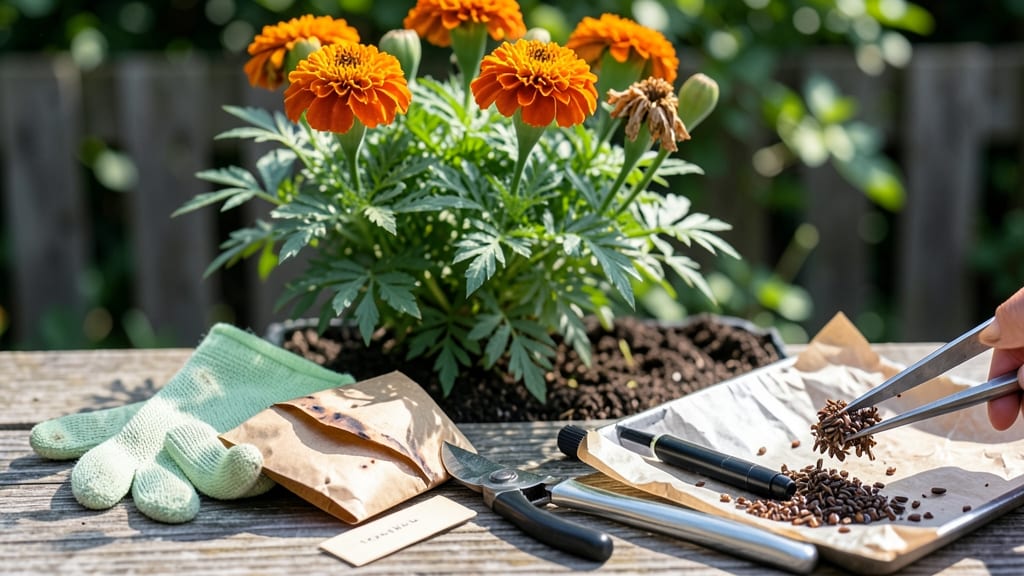
How to harvest marigold seeds for next year—your blooms are ready to become next year’s garden stars. 🌻 The secret to saving seeds lies in timing—wait until the blooms fade and those papery seed pods turn brown and crispy, usually by late summer or early fall. All you need is a pair of scissors, a paper bag, and patience. Snip open the dried seed pods and let the tiny black seeds rain into your bag. These little powerhouses stay viable for years if stored properly, giving you free, fragrant marigolds season after season. By storing them in a cool, dry place, you’ll preserve their potential to grow into those same vibrant orange and gold blooms that deter pests and brighten borders. The payoff? A garden that starts with seeds you nurtured from last year’s plants. Works for French, African, or signet marigolds—just follow the same simple steps. Here’s how to make it happen without a single store-bought seed packet next spring.
📚 In This Guide
- What you need
- Instructions
- Tips and common mistakes
- Wrapping up and next steps
What you need
- ● Mature marigold plants – Choose healthy, disease-free plants with fully developed seed heads (brown and papery). Aim for at least 3-5 plants for a good seed yield.
- ● Sharp pruning shears or scissors – A clean, sterilized pair (7-inch to 10-inch blades) to snip seed heads cleanly without damaging the plant.
- ● Paper bags or breathable seed-saving envelopes – 4-6 brown paper lunch bags (or labeled envelopes) to collect and dry seeds. Avoid plastic—it traps moisture!
- ● Newspaper or cardboard – A flat, dry surface (about 12”x18”) for spreading seeds to dry indoors.
- ● Pencil or marker – For labeling bags/envelopes with variety names and harvest dates.
- ○ Small mesh bags or breathable fabric sacks – Optional but helpful for long-term storage (prevents mold and pests).
- ● A dehydrator (set to 95°F) for faster drying if you’re short on time.
- ● Fine-mesh sieve – To remove debris from dried seeds before storage.
- ● Humidity pack (silica gel) – For extra-long storage in airtight containers.
- ● Labeling tape or tags – If you’re storing seeds in jars or containers.
Step-by-Step instructions for harvesting marigold seeds
Here's how I save seeds from my marigolds each fall—it takes just minutes and ensures next year's flowers bloom just as brightly.
🌱 Step 1: Pick the Right Seed Heads
Wait until the flower petals have completely fallen off and the seed pod turns a dry, papery brown color. These pods are ready for harvest when they feel crisp to the touch and split open easily with a gentle squeeze. I like to check plants in late summer or early fall, as soon as the first pods dry out.
Look for the largest, healthiest seed heads—these produce the strongest plants. Avoid any pods that appear shriveled or discolored, as they may not store well. Use clean, sharp scissors or fingers to snip the pods from the stem, leaving about ½ inch of stem attached. This helps prevent the seeds from scattering as you work.
💧 Step 2: Dry the Seed Pods Thoroughly
Spread the harvested pods on a clean, dry surface in a single layer. I use a baking sheet lined with paper towels or a mesh screen to allow airflow on all sides. Place this in a warm, dry spot—70-75°F works perfectly—out of direct sunlight. Direct sun can overheat the pods and cause them to crack prematurely.
Let the pods dry for 7-10 days, turning them occasionally to ensure even drying. You'll know they're ready when the pods rattle when shaken—the sound means the seeds inside are completely dry. If any pods remain slightly damp, leave them out a few more days. Patience here prevents mold and ensures seed viability.
✂️ Step 3: Extract and Clean the Seeds
Once the pods are fully dry, gently crush them with your fingers or roll them between your palms to release the seeds. I do this over a clean sheet of paper or a shallow tray to catch any stray seeds. Marigold seeds are small and dark, so they may blend into the debris—use a fine-mesh strainer or your fingers to separate them from chaff and pod fragments.
For extra cleanliness, I spread the seeds on a fresh sheet of paper and blow or brush away any remaining debris. Store the seeds in a small envelope or airtight container only after they're completely free of moisture and debris. Wet seeds won't store well and may spoil.
🪴 Step 4: Store Seeds Properly for Next Year
Place the dried seeds in a labeled paper envelope or small glass jar with a tight-sealing lid. I always write the variety and harvest date on the outside—this helps me keep track of what I've saved. Store the container in a cool, dark, and dry place, like a pantry or seed storage box. The ideal temperature is 40-50°F, but room temperature works if it's consistently dry.
Seeds stored this way remain viable for 2-3 years, though they often germinate best if used within the first year. Check the seeds annually—if they look dry and unchanged, they're still good to plant. If you notice any signs of moisture or mold, discard them immediately to avoid spoiling your entire stash.
Tips & tricks for perfect marigold seed harvesting
These simple tricks help you save the best seeds for next year's brightest blooms.
Selection Tip: Harvest seed heads on a dry morning after any evening dew has evaporated. The pods will be at their crispest then, making them easier to handle and less likely to scatter seeds as you work. I've found that harvesting just after sunrise gives me the cleanest, most intact pods for processing.
Drying Strategy: The 7-10 day drying time in Step 2 is crucial—don't rush it! I've learned the hard way that slightly damp pods can develop mold during storage. Place a small fan nearby to gently circulate air without creating drafts that could scatter seeds. If you're short on time, a dehydrator set to 95°F works beautifully for 4-6 hours, but monitor closely to avoid overheating.
Storage Wisdom: For long-term storage beyond 2-3 years, consider adding a packet of silica gel to your seed container. The gel absorbs any remaining moisture that could compromise viability. I also like to include a small piece of unbleached cotton in the container—it acts as a natural moisture absorber while being completely safe for seeds. Just make sure to label it clearly so you don't accidentally plant the cotton next spring!
Pro Tips for Harvest Marigold Seeds For Next Year
- These simple tricks help you save the best seeds for next year's brightest blooms.
- Selection Tip: Harvest seed heads on a dry morning after any evening dew has evaporated. The pods will be at their cr...
- Drying Strategy: The 7-10 day drying time in Step 2 is crucial—don't rush it! I've learned the hard way that slightly...
Frequently asked questions
Got questions about saving marigold seeds? You’re not alone! Here are answers to the most common concerns—so you can harvest with confidence and grow next year’s brightest blooms.
When is the best time to harvest marigold seeds?
Harvest seeds when the papery seed pods turn brown and dry but just before they split open. This usually happens 4–6 weeks after flowering, often in late summer or early fall. If you wait too long, seeds scatter, and you lose your harvest!
How long does it take for marigold seeds to dry indoors?
Seeds need 1–2 weeks to fully dry indoors. Spread them in a single layer on newspaper or a paper towel in a warm, dry spot (like a sunny windowsill). Stir them gently every few days to speed up drying. Patience pays off!
What if my seeds won’t dry, even after weeks?
Humidity is the sneaky culprit! Try these fixes:
- Increase airflow: Use a fan on low or place seeds near an open window.
- Lower moisture: Place a dehumidifier nearby or swap out damp paper towels.
- Alternative method: Store pods in a paper bag with a silica gel packet to absorb moisture.
Can I save marigold seeds from store-bought flowers?
Yes, but with a catch! Store-bought seeds may be hybrids (like ‘Bonanza’ or ‘French Marigolds’) and won’t grow true to type. For consistent results, save seeds from heirloom or open-pollinated varieties (like ‘African Marigolds’). If you’re experimenting, try it—worst case, you’ll grow something new!
How do I know if my saved seeds are still good?
Test viability by filling a glass of water with seeds and waiting 15 minutes. Floaters = bad (discard them); sinkers = good (plant these!). Store seeds in a cool, dark place (like a sealed jar in the fridge) for up to 3 years—though they’re best used within 1–2 years for highest germination rates.
Wrapping up and next steps
Harvesting marigold seeds is a simple yet rewarding process that ensures a burst of vibrant blooms next season!
By following these steps—selecting healthy seed heads, drying them properly, and storing them in a cool, dry place—you’ll be well on your way to growing a thriving garden. Don’t let those seeds go to waste! 🌻
Now that you’re equipped with the know-how, grab those dried seed pods and start planning your next planting schedule. Whether you’re a seasoned gardener or just beginning, every seed you save is a step toward a more sustainable and beautiful garden. Happy gardening! 🌱