
Picking
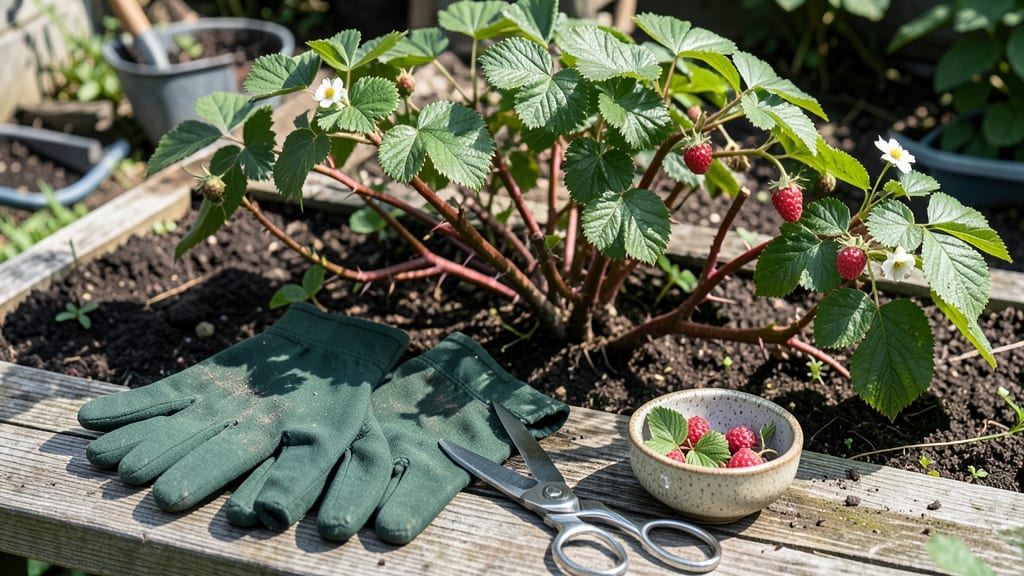
How to harvest raspberry leaves for tea reveals a sunlit secret—spring’s tender raspberry foliage holds an earthy, slightly tart flavor that tastes like liquid sunshine. 🌿 I’ve sipped mine straight from the plant, but the real magic happens when you dry them properly. The key? Harvesting at the right moment, before the flowers even think about blooming.
Look for the third or fourth set of leaves from the tip—these are mature enough for flavor but still tender. Avoid leaves near the ground (they’re tougher) or those dusted with pesticide residue. A quick rinse under cold water removes dirt without leaching flavor, and that’s it—no fancy equipment needed.
Once harvested, lay the leaves in a single layer on a tray or mesh screen. Two weeks of slow drying in a dark, well-ventilated spot (like a closet with a fan) preserves their vibrant green color and delicate aroma.
The result? A cup of tea that’s bright, herbal, and subtly sweet—like a forest in a mug.
Pro tip: Blend dried raspberry leaves with peppermint or chamomile for a caffeine-free evening sip. Just avoid overharvesting—never take more than one-third of the leaves from any branch to keep your plants thriving for next season’s brew.
📚 In This Guide
- What you need
- Instructions
- Tips and common mistakes
- Wrapping up and next steps
What you need
- ● Raspberry leaves: Fresh, young, and healthy leaves (avoid wilted or diseased ones). Aim for at least 1 cup (about 10-15 leaves) for a single serving of tea.
- ● Pruning shears or sharp scissors: A pair with clean, sterilized blades to avoid damaging the plant or spreading bacteria.
- ○ Gloves (optional but recommended): Lightweight gardening gloves to protect your hands from thorns and dirt.
- ● Clean containers: A stainless steel or glass bowl (avoid plastic) to collect the leaves, plus a paper bag or breathable cloth for drying.
- ● Water: For rinsing leaves (use filtered or rainwater if possible).
- ● Drying rack or tray: A screened drying rack, mesh bag, or even a clean wire rack to air-dry the leaves.
- ● Air-dry space: A well-ventilated, shaded area with temperatures between 70–90°F (21–32°C) for optimal drying.
- ● Food dehydrator: Speeds up drying time if you’re short on patience!
- ● Labeling tags: For marking dried leaves with the harvest date.
- ● Fine-mesh strainer: If you plan to strain your tea for a cleaner brew.
- ● Honey or lemon: To enhance flavor once your tea is ready.
Step-by-Step instructions for harvesting raspberry leaves for tea
Here's how to gather the best leaves for a flavorful, caffeine-free herbal tea.
🌿 Step 1: Identify and Select Healthy Raspberry Plants
Choose young, vibrant raspberry canes for harvesting—older growth produces tougher leaves with less delicate flavor. Look for bright green, mature leaves (about 3-4 inches long) that haven’t yet developed red edges or signs of disease. I always harvest from organic plants or those grown without pesticides, since chemical residues can taint the tea’s flavor.
Pick leaves in the morning after the dew has dried but before the sun gets too intense—this ensures peak freshness and flavor. Avoid leaves with holes, yellowing, or brown spots, as these indicate pest damage or disease. If your plants have thorns, wear gloves to protect your hands while harvesting.
🌱 Step 2: Harvest Leaves at the Right Time
The best time to harvest raspberry leaves is in early summer, just as the plant begins producing fruit but before the leaves start to harden. This is when the leaves contain the highest concentration of flavorful compounds. I like to harvest on a dry day to avoid crushing the leaves or introducing moisture that could lead to mold.
Use clean, sharp scissors or pruning shears to snip leaves just above a leaf node or bud. This encourages new growth and keeps the plant healthy. Never take more than one-third of the leaves from any single plant in one season—this prevents stressing the plant and ensures it continues producing fruit and leaves for future harvests.
💧 Step 3: Clean and Prepare the Leaves
Once harvested, gently rinse the leaves under cool, running water to remove dirt, debris, or any lingering pesticides. I use a colander to avoid bruising the leaves, which can lead to bitterness in the tea. After rinsing, spread the leaves out on a clean towel or paper towel to dry completely. This step is crucial—any moisture left on the leaves can cause them to spoil quickly.
While the leaves dry, remove any remaining stems or damaged parts. You can either air-dry the leaves in a well-ventilated area away from direct sunlight (this preserves their color and flavor better) or use a food dehydrator set to 95°F for about 4-6 hours. Once completely dry, the leaves should crumble slightly when rubbed between your fingers.
⏰ Step 4: Store Leaves for Fresh Tea
Store the dried raspberry leaves in an airtight container, like a glass jar or sealed bag, away from light and heat. I like to add a silica gel packet to absorb any remaining moisture and keep the leaves fresh for longer. Properly stored, raspberry leaves can keep their flavor for up to 1 year, though they’ll be most potent in the first few months.
When you’re ready to brew, simply steep 1-2 teaspoons of dried leaves in 1 cup of hot water (just below boiling) for 5-10 minutes. The longer you steep, the stronger and more earthy the flavor becomes. Strain the leaves and enjoy your tea—naturally caffeine-free and packed with antioxidants!
🌱 Step 5: Encourage Future Harvests
After harvesting, give your raspberry plants a light feeding with compost or a balanced organic fertilizer to encourage new growth. Water the plants deeply to help them recover from the leaf loss. If you’ve harvested heavily, prune any dead or weak canes to redirect the plant’s energy toward producing more leaves and fruit next season.
Regular harvesting—done correctly—can actually improve your raspberry plants by promoting bushier growth and more abundant fruiting. Just remember to space out your harvests throughout the growing season to avoid overstressing the plant. With a little care, you’ll have a steady supply of fresh raspberry leaves for tea all summer long!
Tips & tricks for perfect raspberry leaf tea harvest
Between us, harvesting raspberry leaves for tea is where the magic happens—but it’s easy to miss the little details that make all the difference. Here’s what nobody tells you about getting the best flavor and keeping your plants happy.
Timing Secret: The morning after dew dries (around 9-10 AM) is your golden window. Leaves at this time contain the highest concentration of essential oils, which directly translates to richer tea flavor. I’ve noticed the biggest difference when harvesting at this exact time versus later in the day—it’s like night and day in terms of aroma and taste. Trust me on this.
Harvesting Technique: When you’re snipping those young leaves in Step 2, aim for the top third of the plant where the leaves are lightest green. These tender leaves have the most delicate flavor profile. I learned this the hard way after using tougher lower leaves that ended up making my tea taste bitter—now I always check for that soft, velvety texture before harvesting.
Drying Wisdom: For even drying in Step 4, spread your leaves in a single layer with space between them. Crowding them causes uneven drying and can lead to mold. I like to use a mesh screen or even a clean kitchen towel with holes punched in it. If you’re in a humid climate, consider using a small fan on low to speed up the process—just don’t let it blow directly on the leaves.
Storage Strategy: Once your leaves are perfectly crisp and crumbly (after those 3-5 days), store them in a glass jar with a tight-sealing lid. The glass preserves flavor better than plastic, and the airtight seal keeps out moisture that can cause spoilage. I’ve found that labeling each jar with the harvest date helps me track freshness—these leaves stay potent for up to 6 months when stored properly.
Pro Tips for Harvest Raspberry Leaves For Tea
- Between us, harvesting raspberry leaves for tea is where the magic happens—but it’s easy to miss the little details t...
- Timing Secret: The morning after dew dries (around 9-10 AM) is your golden window. Leaves at this time contain the hi...
- Harvesting Technique: When you’re snipping those young leaves in Step 2, aim for the top third of the plant where the...
Frequently asked questions
Got questions about harvesting raspberry leaves for tea?
You’re not alone! Here are answers to the most common queries to help you brew like a pro.
When is the best time to harvest raspberry leaves?
The ideal time is early spring to late summer, just before the fruit ripens. Young, tender leaves (like the newest, unfurled ones) have the mildest flavor. Avoid harvesting after pesticides have been applied—wait at least 3 weeks after treatment for safety.
How often can I harvest leaves from the same plant?
You can harvest raspberry leaves 2–3 times per season, spacing harvests 4–6 weeks apart to allow the plant to regrow. Over-harvesting weakens the plant and reduces fruit yield. Focus on outer leaves to avoid damaging the center.
Can I use dried raspberry leaves instead of fresh?
Dried leaves keep for 1 year in an airtight container away from light. To dry, bundle stems with rubber bands and hang upside down in a dark, well-ventilated spot for 1–2 weeks. Use 1 tsp dried = 1 tbsp fresh for tea.
What should I do if my raspberry leaves taste bitter?
Bitter flavor usually means the leaves are too old or stressed. Try these fixes:
- Harvest younger leaves (closer to the tips).
- Use hot water (200°F+) to brew—cold water extracts bitterness.
- Avoid harvesting after rain or frost, which can increase bitterness.
Can I harvest raspberry leaves from wild plants?
Yes, but proceed with caution! Only harvest from unsprayed, pesticide-free areas (like organic farms or your own garden). Avoid roadsides or heavily trafficked wild patches due to contamination. Always identify the plant correctly—raspberry leaves are safe, but lookalikes (like blackberry) may not be.
Pro Tip:
For a sweeter tea flavor, harvest leaves in the morning after the dew has dried but before the sun peaks. This reduces bitterness and boosts natural sugars!
Wrapping up and next steps
Harvesting raspberry leaves for tea is a simple, rewarding way to enjoy nature’s bounty—whether you’re a seasoned forager or just starting out! 🌿 With the right timing, tools, and care, you can turn fresh leaves into a soothing, earthy beverage packed with flavor and wellness benefits.
Now that you’re equipped with the know-how, why not give it a try this weekend? Start small, experiment with blends, and share your creations with friends. Every cup is a step closer to a more mindful, self-sustaining lifestyle!
🌱 Next Steps:
- Visit a local raspberry patch (with permission!) or grow your own for a steady supply.
- Try blending raspberry leaves with other herbs like mint or chamomile for new flavors.
- Document your harvest journey—share tips or photos with the foraging community!