
How To
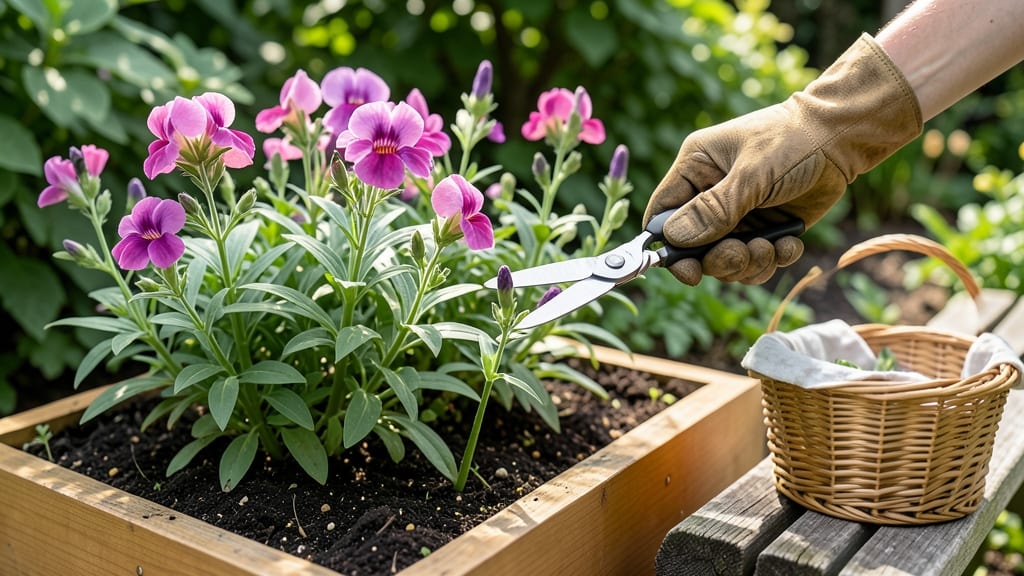
Harvesting snapdragons at the right time can turn your garden into a seed bank for next year's best blooms—but miss the window, and you'll end up with seeds that won't even sprout.
The key lies in those dry, papery seed pods that form after the flowers fade, and knowing exactly when to snip them makes all the difference.
If you're growing snapdragons in Zone 6a, timing is everything: aim for late summer or early fall when pods turn from green to a pale tan. This is when the seeds inside are fully mature and ready for collection, ensuring strong germination rates for your future plants.
Skipping this step means losing the chance to propagate your favorite varieties without buying new seeds.
Beyond just cutting pods, there's an art to drying and storing them properly to keep seeds viable until spring planting. I'll walk you through the entire process—from identifying the perfect harvest stage to avoiding common mistakes that ruin entire batches.
Let's make sure your snapdragon seeds don't become a forgotten garden experiment.
Whether you're a seasoned gardener or just starting with 🌸 snapdragons, these tips will help you maximize your harvest and save money on seeds next year. Ready to turn those dried pods into next season's starters? Let's get into the details.


When to harvest snapdragon seed pods for maximum germination rates
Harvesting snapdragon seeds at the right time ensures high germination rates and healthy new plants. The key is watching for seed pods that turn from green to brown or tan, signaling maturity.
In most climates, this happens late summer to early fall, typically July through September in USDA Zone 6a.
Climate plays a huge role—cooler regions may need to harvest earlier, while warmer areas can wait slightly longer. Frost risks are your enemy, so time your harvest before the first frost (usually mid-October in Zone 6a). If frost hits, seeds may not dry properly or could sprout prematurely.
Look for dry, papery seed pods that split open easily when gently squeezed. If pods are still green or firm, they’re not ready. Overripe pods may explode, scattering seeds everywhere—so act quickly once they turn brown!
🌸
Snapdragon Seed Harvest Timeline
| Stage | Visual Cues | Best Time to Harvest | Germination Potential |
|---|---|---|---|
| Early Flowering | Bud swells, color deepens | Not ready for seeds | N/A |
| Seed Pod Formation | Pods turn green, firm to touch | Not yet | Low |
| Ripening Stage | Pods turn brown/tan, dry, papery | July-September (before frost) | High (90%+) |
| Overripe Stage | Pods split open, seeds scatter | Too late | Low (dormant seeds) |
Morning harvests are ideal because dew-free pods dry faster and avoid fungal risks. Use clean, sharp pruning shears to snip stems just above the first set of leaves. Avoid rainy days, as moisture can speed up rot or mold growth during drying.
For longer storage, prioritize harvesting when humidity drops naturally in late summer. If your area stays humid, consider using a dehumidifier or harvesting indoors with good airflow. Pro tip: Label your seed pods with the harvest date and variety to track freshness!
🌿
If you’re growing snapdragons for cut flowers instead of seeds, harvest blooms when 2-3 buds are just opening. This encourages continuous flowering. But for seeds, focus on the pods—patience is key to avoid wasting your harvest effort!
🌱
When to harvest snapdragon seed pods for maximum germination rates
Harvesting snapdragon seeds at the right moment ensures high germination rates and healthy new plants. The key is watching for seed pods that turn from green to a brown or tan color, signaling maturity.
These pods should feel dry and papery when gently squeezed—if they crumble easily, they’re ready to harvest.
Timing matters most in late summer to early fall (typically July through September in most climates). If you wait too long, the pods may split open naturally, scattering seeds and reducing your yield. Conversely, harvesting too early means immature seeds that won’t sprout properly.
🌱 Snapdragon Seed Pod Ripeness Guide
| Stage | Pod Color | Texture | Harvest Time |
|---|---|---|---|
| Immature | Green | Firm, plump | Not ready |
| Ripe | Brown/tan | Dry, papery | Harvest now |
| Overripe | Split open | Seeds scattered | Too late |
Climate plays a role too. In cooler regions, pods may ripen slower, so monitor them closely. If rain is forecasted, harvest ahead of time to prevent mold or premature seed loss. Always use clean, dry shears to avoid damaging the pods or spreading disease.
Pro tip: Harvest on a dry, sunny morning when humidity is low. This minimizes the risk of fungal contamination and ensures seeds stay dry during processing. Store harvested pods in a paper bag (not plastic) to allow airflow while preventing moisture buildup.
Once pods are fully dry indoors (about 1-2 weeks in a warm, dry spot), gently rub them between your fingers to release the seeds. Discard any discolored or shriveled seeds—only the plump, healthy ones will germinate well. With proper timing, you’ll enjoy 90%+ germination rates for next season’s snapdragons!
🌿