
Shrubs
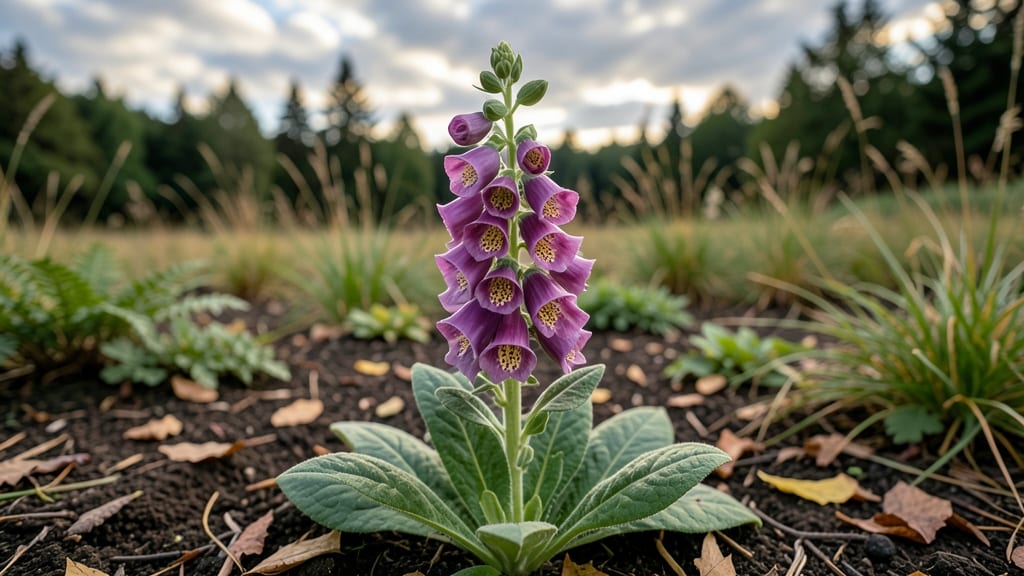
How to identify foxglove is easy once you know the right clues—its bell-shaped flowers stand out like nature's chandeliers—tall, striking, and impossible to ignore. 🌿 I've spent years studying this plant, and its spotted leaves and towering height (up to 5 feet) make it unmistakable once you know what to look for. The key is in the details: those two-lipped blooms in shades of purple, pink, or white are its signature, but the hairy stems and rough-edged leaves seal the deal.
Most people confuse foxglove with comfrey or snapdragons, but there's a game-changer: foxglove's flowers grow in whorls along the stem, while snapdragons have single flowers on one side. Comfrey's leaves are broader and lack the distinctive spots foxglove sports.
The toxic warning is also a dead giveaway—its milky sap and strong scent when crushed should make you pause before touching.
You'll spot foxglove thriving in partial shade, often along woodland edges or garden borders where it self-seeds aggressively. The height difference alone (most similar plants stay under 3 feet) helps, but the bell shape and spotted foliage are the real giveaways.
One whiff of its slightly sickly-sweet fragrance confirms it—though I'd never recommend getting close enough to smell.
Here's the catch: all parts are toxic—especially the seeds and leaves—so keep it away from pets and kids. The 5 unmistakable traits (height, bell flowers, spotted leaves, hairy stems, and whorled blooms) make identification straightforward once you've seen it once.
Now you're ready to spot this deadly beauty anywhere it grows.
📚 In This Guide
- What you need
- Instructions
- Tips and common mistakes
- Wrapping up and next steps
What you need
- ● Field Guide or Plant Identification App: Printed guidebook (e.g., The New York Times Guide to Wildflowers) or
- ● Smartphone app (e.g., iNaturalist, PlantNet, or PictureThis) with offline access.
- ● Hand Lens (10x Magnification): Compact, lightweight, and durable (e.g., National Optical 10x Magnifier).
- ● Gloves (Nitrile or Latex): Disposable, thin gloves (e.g., Amazon Basics Nitrile Exam Gloves) to avoid skin contact with sap.
- ● Camera or Smartphone: For capturing close-up images of flowers, leaves, and stems.
- ● Notebook & Pen: Waterproof paper (e.g., Rite in the Rain Notebook) to record observations.
- ● Measuring Tape or Ruler: Flexible tape (6-inch minimum) to measure leaf/flower dimensions.
- ○ Safety Gear (Optional but Recommended): Long sleeves/pants to protect against sap irritation.
- ● Sunscreen (SPF 30+) and insect repellent (foxglove attracts bees!).
- ● Pruning Shears: For safely collecting small leaf/flower samples (if permitted in your area).
- ● Portable UV Light: Some foxglove flowers fluoresce under UV light—great for nighttime identification!
- ● Field Pressing Kit: For preserving samples (e.g., Clover Press or heavy books).
- ● Local Flora Database: Check resources like USDA Plants or iNaturalist for regional foxglove look-alikes.
How to identify foxglove: master the 5 key visual clues
This striking plant fools even experienced gardeners—until you know its signature traits.
🌿 Step 1: Examine the Flower Spikes and Bell Shapes
Foxglove (Digitalis purpurea) sends up dramatic 4-6 foot tall spikes of tubular flowers that hang like upside-down bells. Each bloom has 5 fused petals with a distinctive two-lipped mouth—the upper lip arches dramatically while the lower lip flares open. The color palette ranges from soft lavender to deep purple, but even white varieties maintain this architectural form.
Here's the thing—no other common garden plant has this exact bell shape with such pronounced lips. Snapdragons have similar flowers but grow much shorter (2-3 feet) and lack the foxglove's vertical dominance. Run your finger along the flower tube: foxglove's interior feels hairy with tiny glandular projections that give it a slightly fuzzy texture.
🌱 Step 2: Check the Leaf Arrangement and Shape
Foxglove leaves are the plant's most distinctive feature before flowering. Look for large, fuzzy, hairy leaves arranged in a basal rosette at the plant's base. The lower leaves are 6-12 inches long, oval-shaped, and covered in soft white hairs that make them feel velvety to the touch. Younger leaves grow in a spiral pattern along the stem, while mature leaves alternate.
This is where it gets tricky: young foxglove seedlings can resemble comfrey or even coltsfoot. But mature leaves develop prominent veins that create a reticulate (net-like) pattern when backlit by sunlight. Hold a leaf up to a window—you'll see the veins form a clear web-like structure that's unique to foxglove.
💧 Step 3: Observe the Plant's Growth Habit and Height
Mature foxglove plants reach 4-6 feet tall in their first year, with multiple flowering spikes emerging from the same rosette. The stems are square in cross-section (a key identifier)—run your thumb along the stem and you'll feel four distinct edges. This square shape distinguishes it from round-stemmed plants like snapdragons or hollyhocks.
Watch how the plant grows: foxglove sends up self-supporting stems that don't flop or require staking. The flowering spikes grow straight up then bend slightly under the weight of the blooms. This upright growth habit, combined with the height, makes foxglove instantly recognizable in mixed borders.
✂️ Step 4: Inspect the Seed Pods and Stem Hairs
After flowering, foxglove produces oval seed pods that resemble tiny lanterns. These pods start green, then turn brown as they mature. Each pod contains thousands of tiny seeds that are released when the pod splits open along two seams. The pods themselves are covered in the same soft white hairs you saw on the leaves.
Run your hand along the flowering stems—you'll feel dense white hairs covering the entire surface. This hairiness isn't just cosmetic; it's a protective adaptation that makes the plant feel velvety to the touch. No other common garden plant combines this hairy texture with the distinctive bell flowers and square stems.
🌱 Step 5: Verify with the Root System (If Possible)
While you can't always examine roots, foxglove has a shallow, fibrous root system that spreads outward rather than growing deep. The taproot, if present, is thin and brittle—don't confuse it with the thick roots of plants like comfrey. When you gently dig around the base, you'll find the roots form a dense mat just below the soil surface.
Here's the critical safety note: foxglove contains cardiac glycosides that can be deadly if ingested. While identification is fascinating, never handle plants you haven't positively identified as foxglove. The root system's shallow nature also means the plant spreads easily—if you're removing it, you'll need to dig out this extensive root network to prevent regrowth.
Tips & tricks for mastering foxglove identification
These refined techniques will help you confidently distinguish foxglove from look-alikes in any garden setting.
Visual Confirmation Strategy: When examining flower spikes in Step 1, focus on the two-lipped mouth structure—this is foxglove's most distinctive feature. Use a magnifying glass to inspect the hairy interior of the flower tubes, which creates a subtle fuzzy texture no other plant replicates. I've seen gardeners mistake foxglove for snapdragons because of the similar bell shape, but snapdragons lack this interior hairiness and grow only 2-3 feet tall compared to foxglove's dramatic 4-6 foot height.
Leaf Texture Test: In Step 2, the velvety leaf texture is your best friend. Run your fingers along both sides of the leaves—foxglove's dense white hairs should feel noticeably softer than the smoother leaves of comfrey or coltsfoot. For the vein pattern check, hold leaves up to a bright window at a 45-degree angle; the reticulate pattern will cast distinct shadows that resemble a spiderweb. This technique works best with mature leaves that have fully developed their 6-12 inch length.
Growth Habit Analysis: The square stem mentioned in Step 3 is often overlooked but crucial. Use your thumb to trace the stem's edges—foxglove's stems have four distinct flat sides that create a square cross-section. Most garden plants have round stems, so this tactile check is foolproof. Also watch for the self-supporting growth habit: foxglove spikes grow straight up without flopping, unlike many tall flowers that require staking.
Seasonal Timing: Remember that foxglove's flowering period (typically June-August in temperate climates) affects identification. Early in the season, focus on the basal rosette of leaves, while late-season identification should prioritize the seed pods and stem hairs. I've found that examining plants in both their flowering and post-flowering stages provides the most comprehensive identification—this dual approach eliminates confusion with plants that only resemble foxglove during one growth phase.
Pro Tips for Identify Foxglove
- These refined techniques will help you confidently distinguish foxglove from look-alikes in any garden setting.
- Visual Confirmation Strategy: When examining flower spikes in Step 1, focus on the two-lipped mouth structure—this is foxglove's most distinctive feature.
- Leaf Texture Test: In Step 2, the velvety leaf texture is your best friend.
Frequently asked questions
Got questions about spotting foxglove? You’re not alone—this striking but toxic plant can be tricky to ID! Here are answers to the most common queries to help you stay safe and savvy in the garden or wild.
Is foxglove safe to touch?
No, foxglove (Digitalis purpurea) is highly toxic if ingested or even absorbed through broken skin. Its sap contains cardiac glycosides, which can cause nausea, irregular heartbeat, or worse. Wear gloves when handling it, and keep pets/kids away!
When is the best time to identify foxglove?
The easiest time to spot foxglove is late spring to early summer (May–July), when it’s in full bloom with its iconic bell-shaped flowers. Look for it in woodland edges, meadows, or garden borders—it thrives in partial shade and moist soil.
What does foxglove look like compared to other plants?
Foxglove’s tall spikes of tubular flowers (white, pink, purple, or yellow) and hairy stems/leaves set it apart. Mistaken for throatwort (Mimulus)? Throatwort has flat, open flowers and grows lower to the ground. Lobelia is another lookalike but has smaller, clustered blooms.
Can I grow foxglove safely in my garden?
Yes, but with caution! Plant it in contained beds away from children/pets, and wear gloves when pruning. Deadhead spent blooms to prevent self-seeding (it spreads aggressively!). Choose non-toxic alternatives like cannabis sativa (hemp) or lobelia for similar height and color.
What do I do if someone or a pet ingests foxglove?
Act fast! Call Poison Control (1-800-222-1222) or a vet immediately. Do not induce vomiting unless instructed. Symptoms include dizziness, vomiting, or erratic heartbeat. Keep foxglove out of reach—its beauty hides a deadly risk!
Wrapping up and next steps
Identifying foxglove is all about paying attention to its distinctive bell-shaped flowers, spotted leaves, and tall, hairy stems—but always remember, its beauty hides a dangerous secret. 🌿 Now that you’re equipped with these five key traits, you can confidently spot (and admire from afar!) this iconic wildflower in meadows, gardens, or even roadside edges.
Ready to put your new skills to the test? Grab a notebook, head outdoors, and start documenting local flora—just keep those curious fingers (and pets!) safely away from this stunning but toxic plant! 🌸