
Propagation
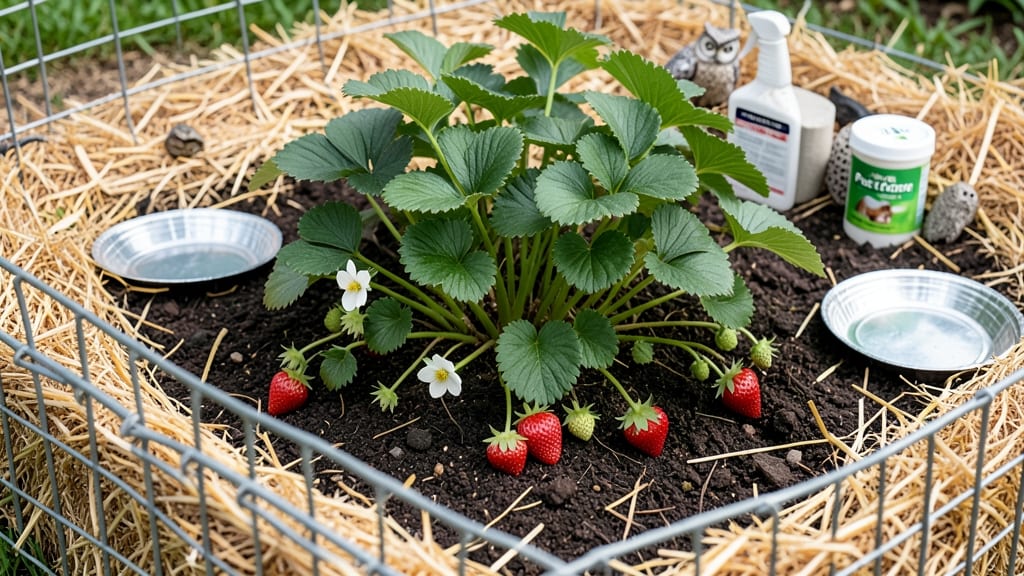
How to keep animals away from strawberries—it’s the battle every gardener loses until they try these simple, humane solutions. 🌱 I’ve lost entire harvests to rabbits, deer, and even neighborhood cats—until I tried these barriers that actually work without chemicals or expensive traps.
The key is layering defenses: physical barriers like chicken wire or lightweight netting (animals hate crawling through it), smell deterrents (crushed garlic or hot pepper spray on the soil), and habitat tweaks (removing hiding spots near the patch).
My rabbits now avoid the garden completely after I added a 2-foot-tall fence with outward-facing spikes—no harm, just frustration for them.
You’ll see results within a few days—fewer missing berries, more ripe fruit on the plants, and a garden that stays productive all season. The best part? These methods keep working year after year, and they’re safe for pets and pollinators.
Works for backyard patches, raised beds, or even container gardens. Here’s how to set up your first line of defense without breaking the bank or resorting to harsh sprays.
📚 In This Guide
- What you need
- Instructions
- Tips and common mistakes
- Wrapping up and next steps
What you need
- ● Chicken wire or hardware cloth: 1–2 rolls (1/4" to 1/2" mesh size) to cover garden beds or create tunnels. Pro tip: 💡 Use at least 12" high to deter digging animals!
- ● Straw or mulch (pine needles, wood chips): 2–3 bags (for a 10’ x 10’ bed) to smother weeds and mask the scent of ripe berries.
- ● Burlap sacks or old fabric: 2–4 pieces (cut to size) to drape over plants or create temporary windbreaks.
- ● Plastic bottles or milk jugs: 5–10 (cut in half, bottoms up) as DIY scare devices—animals dislike the noise!
- ● Stakes or wooden dowels: 4–6 (6–12" long) to secure barriers in place.
- ● Twine or zip ties: 1 roll to fasten materials together.
- ● Motion-activated sprinklers: 1–2 (battery/solar-powered) for a gentle water scare tactic.
- ● Essential oils (peppermint, citrus): 1–2 bottles (10–15 drops per gallon of water) to spray around plants as a natural repellent.
- ● Reflective tape or old CDs: 5–10 pieces to hang near the garden and startle critters with light flashes.
- ● Dog or cat hair (from a brush): Lightly scatter around the perimeter—animals avoid unfamiliar scents!
Step-by-step instructions for creating humane animal barriers around strawberries
Here's my foolproof system for protecting strawberries without harming wildlife or relying on toxic sprays.
🪴 Step 1: Assess Your Strawberry Patch Layout
Start by mapping your strawberry patch and identifying high-traffic animal pathways. Look for signs like disturbed soil, chewed leaves, or small animal prints near the plants. I like to sketch a quick diagram showing the patch's perimeter and any problem areas—this helps visualize where barriers will work best.
Measure the total area you need to protect. For a 4-foot by 6-foot bed, you'll need about 20 feet of barrier material along the perimeter. If your patch has multiple sections, treat each as a separate unit to prevent animals from slipping through gaps. Remember, barriers work best when they're at least 2 feet tall for ground-dwelling critters like rabbits and 3 feet for climbing animals like deer.
✂️ Step 2: Install Physical Barriers
For rabbits and ground squirrels, chicken wire or hardware cloth with 1-inch mesh works perfectly. Bend it into a U-shape and bury the bottom 6 inches deep to block digging. Secure the top with U-shaped staples or zip ties to prevent animals from pushing through. I always overlap sections by 6 inches to eliminate gaps where critters might squeeze in.
For deer or larger animals, use 8-foot tall fencing made of polywire or woven wire. Stretch it tightly between sturdy posts and angle the top 10 degrees outward to deter climbing. If you're dealing with persistent climbers, add a second wire about 2 feet from the ground—this creates a "no-go zone" that confuses them. Always check for sharp edges that could harm plants or wildlife.
🌿 Step 3: Use Natural Deterrents
Plant strongly scented herbs like mint, thyme, or rosemary around the perimeter of your strawberry bed. These act as a natural repellent without chemicals. I like to create a 1-foot wide border of these herbs, as the scent alone often keeps animals away. For extra protection, sprinkle crushed eggshells or coffee grounds around the base of the plants—the sharp edges deter digging, and the strong smell masks the strawberries' aroma.
Another trick I swear by is intercropping with alliums like garlic or chives. These plants naturally repel many pests and add a bonus harvest. Plant them in a checkerboard pattern around the strawberries to create a living barrier. The key is to keep these companion plants healthy and lush—wilting plants lose their effectiveness.
💧 Step 4: Maintain and Monitor Barriers
Check your barriers weekly for damage, especially after storms or heavy winds. Repair any gaps immediately—even a 2-inch hole can let rabbits or squirrels through. I like to do this on a weekly basis right after watering the strawberries, so I can spot new issues while I'm already in the patch.
Rotate natural deterrents seasonally to prevent animals from getting used to them. For example, switch from coffee grounds to citrus peels in the fall, as the scent change keeps critters guessing. Keep a log of what works best in your area—some regions have animals that adapt quickly to one method but avoid others entirely.
⏰ Step 5: Adjust for Seasonal Challenges
In spring, when strawberries are most vulnerable, add extra layers of protection. I like to cover young plants with floating row covers for the first 4-6 weeks until they establish strong roots. These lightweight fabrics let sunlight and water through while blocking pests. Secure the edges with bricks or landscape pins to prevent animals from lifting them.
In fall, focus on cleaning up debris—animals love hiding in old leaves or mulch to raid strawberries. Remove fallen fruit immediately, as even a few stray berries can attract pests. Store harvested strawberries in a sealed container or fridge to avoid leaving tempting scraps behind. A quick 10-minute cleanup after harvest can save hours of damage later.
Tips & tricks for protecting strawberries without harming wildlife
These practical strategies will help you create an effective, humane defense system that actually works.
Barrier Height Matters: When installing your 2-foot tall barriers for ground-dwelling animals, remember that rabbits can jump surprisingly high—especially when motivated by ripe strawberries. For extra security in high-risk areas, consider extending the barrier to 2.5 feet. The key is to make it difficult enough that they'll seek easier targets elsewhere. I've found that adding a second layer of 1-inch mesh chicken wire at the base creates an almost impenetrable barrier that prevents digging attempts completely.
Seasonal Strategy: The 4-6 week floating row cover recommendation in spring is perfect, but don't forget about summer heat. If you're using row covers during hot weather, water the plants thoroughly before covering and remove covers during the coolest parts of the day. I've had better luck with lightweight, breathable fabrics that allow good airflow while still blocking pests—think of them as sun protection for your strawberries too. The goal is to keep the plants healthy enough to produce fruit that animals will want to raid!
Natural Repellent Rotation: While the 1-foot herb border is excellent, don't let your deterrents become predictable. Animals can get used to specific scents, so rotate your natural repellents seasonally as suggested. In summer, I add fresh citrus peels to my herb borders—the strong scent confuses many pests. For fall, I switch to dried herbs stored in mesh bags hung around the perimeter. This scent rotation keeps animals guessing and prevents them from adapting to one particular smell.
Maintenance is Critical: That weekly barrier check isn't just about repairing holes—it's about creating a consistent defense system. I've noticed that animals are more likely to test barriers when they see gaps or weak points. Make your inspections part of your regular garden routine, perhaps combining it with your strawberry watering schedule. A well-maintained barrier system becomes invisible to animals because it appears solid and unchanging over time.
Pro Tips for Keep Animals Away From Strawberries
- These practical strategies will help you create an effective, humane defense system that actually works.
- Barrier Height Matters: When installing your 2-foot tall barriers for ground-dwelling animals, remember that rabbits can jump surprisingly high—especially when motivated by ripe strawberries.
- Seasonal Strategy: The 4-6 week floating row cover recommendation in spring is perfect, but don't forget about summer heat.
Frequently asked questions
What’s the best natural way to keep squirrels from eating my strawberries?
Use a combination of physical barriers (like chicken wire or netting) and deterrents such as predator urine (fox or coyote) or strong-smelling herbs like mint. Squirrels are clever, so mix up your approach—try moving the deterrents occasionally to keep them guessing!
How do I protect strawberries from dogs or cats without harming them?
Dogs and cats are curious but rarely destructive unless they’re digging. Use a temporary fence (like a small wire mesh) or plant strawberries in hanging baskets or elevated beds. If they’re digging, try scattering gravel or pine cones around the plants—they dislike the texture!
When is the best time to install barriers to prevent animal damage?
Install barriers as soon as you plant strawberries—animals like rabbits and deer can spot fresh greenery from a distance! For birds, wait until the fruit starts ripening (usually late spring/early summer). Check your setup weekly to ensure no gaps or tears have formed.
Can I use coffee grounds or eggshells to keep animals away?
Yes! Both are natural repellents. Sprinkle used coffee grounds around plants (they dislike the smell), or crush eggshells into sharp pieces—they deter digging animals. Refresh every few days, especially after rain, to maintain effectiveness.
What should I do if animals keep finding ways around my barriers?
Troubleshoot by inspecting for weak spots (like loose netting or gaps under fences). Try elevating plants in cages or pots, or add motion-activated sprinklers for a humane scare. Rotate deterrents (like moving predator urine spots) to confuse persistent pests!
Wrapping up and next steps
Protecting your strawberries from hungry critters doesn’t have to be a battle—just a smart, humane strategy! 🌱 Whether you’ve tried fences, netting, or natural repellents, the key is layering methods that work with nature, not against it.
Start small, test what works in your garden, and soon you’ll enjoy plump, pest-free berries without stress.
Ready to claim your strawberry patch? Grab your supplies, pick one barrier to test this weekend, and watch your harvest thrive! 🍓✨ Still unsure? Check out our FAQs for extra tips before you begin.