
Pests
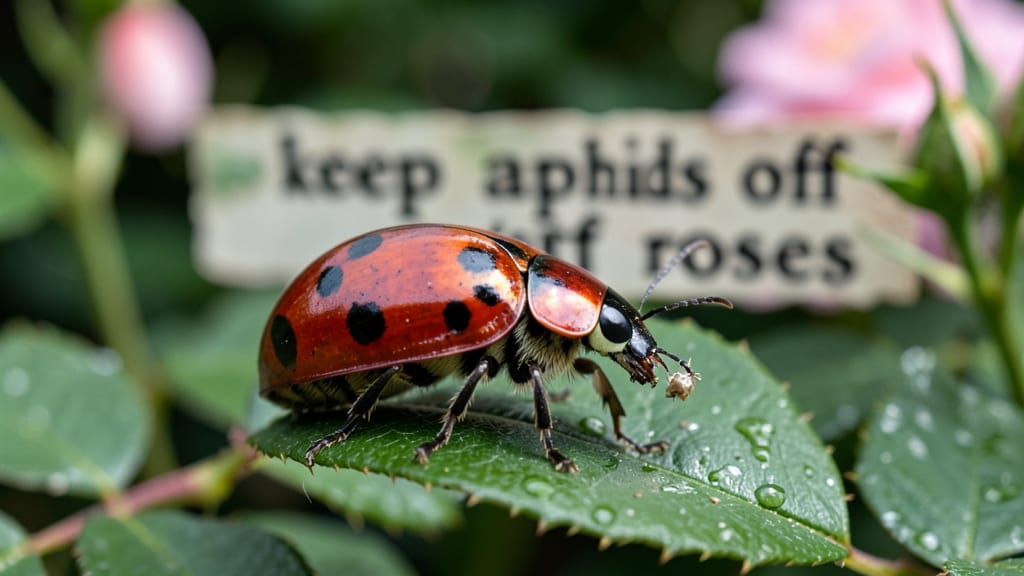
How to keep aphids off roses without turning your garden into a chemical battleground? I’ve spent years perfecting a neem oil trick that disrupts their life cycle before they even realize your roses are there—no harsh pesticides, no weekly sprays, just one targeted treatment that keeps them away for weeks.
The secret isn’t just spraying neem oil—it’s timing and technique. Early morning applications (when aphids are sluggish) and a homemade barrier mix (neem oil + water + a drop of dish soap) create a protective film that confuses their pheromone trails.
Most gardeners miss this step and end up re-spraying every few days. Not you.
By week two, you’ll see fewer clusters, and new growth will emerge sticky-free. The roses stay lush, the bees keep visiting, and you avoid the heartbreak of buds curling up before they open. This method works even on heirloom roses that repel most sprays.
Here’s the kicker: combine this with pruning out infested stems and planting garlic nearby, and you’ll break the aphid cycle for good. No more weekly battles—just roses that stay bold, healthy, and aphid-proof all season.
The Hidden Triggers Inviting Aphids
Aphids don’t just randomly appear on your roses—they’re drawn by a mix of environmental cues, plant vulnerabilities, and even human habits. Understanding these triggers is the first step to creating a neem oil barrier that disrupts their life cycle before they become a full-blown infestation.
Aphids are like uninvited guests who spot a buffet table—your roses become their all-you-can-eat spread when they’re stressed or malnourished. Here’s why:
- Nitrogen-heavy soil: Too much nitrogen (common in fast-release fertilizers) makes roses grow lush but defenseless. Aphids thrive on tender, soft new growth because it’s easier to pierce with their mouthparts. Think of it like biting into a ripe peach vs. a hard apple.
- Water stress: Overwatering or drought weakens roses, making their sap sweeter and more nutrient-rich. Aphids use their stylets (tiny feeding tubes) to suck up this sugary sap, which also excretes honeydew—a sticky mess that further stresses the plant.
- Poor air circulation: Crowded roses or dense foliage trap humidity, creating a aphid paradise. High moisture levels help aphids reproduce faster and attract ant colonies (their protectors) that “farm” them for honeydew.
Actionable fix: Test your soil’s nitrogen levels (aim for a balanced NPK ratio like 10-10-10) and water deeply but infrequently to encourage root strength.
Aphids aren’t lone wolves—they have allies in the insect world, especially ants, which act like security detail. Here’s how it works:
| Ant Role | Why It Helps Aphids |
|---|---|
| Herding | Ants stroke aphids with their antennae, stimulating them to produce more honeydew (their food source). |
| Protection | Ants aggressively defend aphid colonies from predators like ladybugs or lacewings, even moving entire aphid groups to safer spots on your roses. |
| Nesting | Some ants farm aphids indoors (yes, even in your home!) by tending to them on houseplants or rose cuttings. |
Actionable fix: Disrupt ant trails with diatomaceous earth (food-grade) or soapy water sprays (ants avoid these barriers). Neem oil also repels ants when applied as a foliar spray.
Aphids target new shoots and buds because they’re packed with sugars and amino acids—like a gourmet meal for these pests. Here’s the science:
- Terminal buds: The tip of a rose stem is where growth hormones (like auxins) are most concentrated. Aphids prefer these areas because the sap is richer.
- Leaf undersides: Young, unfolding leaves have thin cuticles (the plant’s protective skin), making them easier to penetrate. Plus, the shade underneath provides cover from predators.
- Pruning wounds: When you trim roses, the fresh cuts emit volatile organic compounds (VOCs) that aphids detect from up to 3 feet away.
Actionable fix: Prune roses in early spring (before aphids are active) and apply neem oil immediately after cutting to seal wounds and repel scouts.
Aphids are cold-blooded (ectothermic) and rely on external temperatures to thrive. Their life cycle accelerates under these conditions:
- Warm springs (50–85°F): Aphids reproduce asexually—a single female can give birth to 50–100 live nymphs in 2 weeks without mating.
- Mild winters: Many aphid species overwinter as eggs on rose canes or nearby weeds. If temps stay above freezing, these eggs hatch early, giving them a head start.
- Dry, windless days: Aphids dispersal via wind is less effective, so they cluster on roses. Meanwhile, humidity below 60% reduces natural predator activity (like ladybugs).
Actionable fix: Monitor your local degree-day accumulation (a tool gardeners use to predict pest outbreaks) and apply neem oil proactively in early spring before aphids explode in numbers.
💡 Pro Tip: Aphids also love weeds like dandelions and clover near your roses—these act as aphid reservoirs. Pull them regularly to break the cycle!
Natural Ways to Stop Aphids Fast
Aphids may be tiny, but they pack a punch—sucking sap, spreading disease, and stunting your roses’ growth. The good news? You don’t need harsh chemicals to kick them off for good.
Below, we break down targeted fixes based on the root causes (from the previous section) and share prevention tips to keep your roses aphid-free long-term.
---
Aphids love stressed plants, so strengthen your roses’ defenses first.
#### 🔥 Prune for Airflow - Trim back overgrown branches to improve air circulation. 🌬️ - Remove dead or diseased leaves—these attract aphids like a buffet. - When to do it: Early morning or late afternoon to avoid stressing the plant.
#### 🌱 Boost Plant Health - Fertilize lightly with a balanced rose-specific fertilizer (high in phosphorus for blooms). - Water at the base (not leaves) to prevent fungal issues that weaken roses. - Mulch with organic matter (like compost or straw) to retain moisture and deter pests.
#### 💡 Pro Tip: If your roses are chronically weak, consider companion planting—marigolds and garlic repel aphids naturally!
---
Aphids hitch rides on wind, ants, or garden tools. Seal the gaps!
#### 🛡️ Create a Neem Oil Barrier Neem oil disrupts aphids’ life cycle and acts as a deterrent when applied as a spray or soil drench. - Mix: 1 tbsp neem oil + 1 tsp mild soap + 1 quart water. - Spray on leaves, stems, and soil around the base (aphids avoid treated areas). - Reapply every 7–10 days or after rain.
#### 🕷️ Disrupt Ant Trails (Aphid Allies!) Ants farm aphids for honeydew—so break their bond! - Spray ant trails with soapy water or vinegar solution (1:1 ratio). - Place borax or diatomaceous earth near the base (ants avoid it). - Hang sticky traps near rose bushes to catch foraging ants.
#### 🧹 Clean Garden Tools & Surroundings - Sanitize pruners with rubbing alcohol between cuts. - Remove fallen leaves/debris—aphids hide here and multiply. - Quarantine new plants for 2 weeks before adding them to your garden.
--- If aphids have already infested your roses, attack fast with these low-toxicity methods.
#### 💦 Blast Them Away - Strong water spray (hose on gentle setting) knocks aphids off—do this daily for 3–5 days. - Best time: Early morning so leaves dry quickly (prevents fungal growth).
#### 🍳 Homemade Sprays That Work | Ingredient | How to Use | Why It Works | |----------------------|-------------------------------------------------------------------------------|------------------------------------------| | Soap Solution | 1 tbsp castile soap + 1 quart water.
Spray directly on aphids. | Suffocates aphids without harming roses. | | Garlic Pepper Spray | Blend 2 garlic cloves + 1 tsp cayenne + 1 quart water. Strain & spray. | Repels aphids with strong scent. | | Rubbing Alcohol | 1 part alcohol + 3 parts water.
Spray on infested areas. | Kills aphids on contact (use sparingly). |
#### 🐝 Introduce Beneficial Insects - Ladybugs (eat 5,000 aphids in a lifetime! 🐞💥) – Buy them online or attract them with dill or fennel. - Lacewings – Release larvae near aphid hotspots. - Parasitic wasps – Tiny but highly effective (order online if local options are scarce).
--- Stop aphids before they start with these easy habits:
✅ Inspect new plants before bringing them home (quarantine for 2 weeks). ✅ Rotate companion plants—try chives, lavender, or thyme near roses. ✅ Encourage birds & frogs—they love eating aphids!
Add a birdbath. ✅ Use reflective mulch (like aluminum foil strips) to confuse aphids with light. ✅ Plant roses in full sun—aphids prefer shaded, damp areas.
--- If aphids keep coming back despite your efforts: - Check for hidden infestations (undersides of leaves, new growth). - Rotate treatments (don’t rely on just one method). - Consult a local extension office for region-specific solutions.
--- Final Thought: Aphids may be persistent, but with consistent care, you can outsmart them—no chemicals needed! 🌹💪 Start with neem oil + pruning, then add beneficial insects, and prevent future outbreaks with smart gardening. Your roses will thank you!
Frequently asked questions
Why does neem oil work better than other sprays for roses?
Neem oil disrupts aphids' life cycle by interfering with their feeding and reproduction hormones. Unlike chemical sprays that only kill visible pests, it confuses their pheromone trails and prevents new generations from forming. Plus, it's safe for roses when used correctly—no phytotoxicity like some synthetic pesticides.
Can I use dish soap alone to kill aphids on my roses?
Yes, but with caution! A 1-teaspoon mild castile soap per quart of water spray suffocates aphids on contact. However, it only works for direct hits and must be reapplied frequently (every 2-3 days). For better results, combine it with neem oil (1 tbsp per quart) to break their life cycle. Always test on a small leaf first—some roses are sensitive to soap residues.
How often should I check my roses for new aphid infestations?
Inspect your roses weekly during growing season (spring to fall), focusing on new growth, leaf undersides, and buds—aphids love these areas. After heavy rains or when introducing new plants, check every 3-4 days for early signs. Early detection is key—treating 50 aphids is easier than 500!
Will ladybugs really eat all my aphids, or should I use other methods too?
Ladybugs are voracious aphid eaters—one adult can consume 5,000+ aphids in its lifetime! However, they won't eliminate every aphid instantly. For best results, combine them with neem oil sprays and pruning to create a multi-layered defense. Release ladybugs in early morning when it's cool (they're sluggish in heat) and provide water sources nearby.
My roses keep getting aphids even after treatment. What am I missing?
You might be missing these common gaps: 1) Hidden infestations (check undersides of leaves and new shoots), 2) Ant protection (ants shield aphids—disrupt their trails), or 3) Reinfection sources (weeds like dandelions nearby). Also, rotate treatments—aphids can build tolerance. Try a garlic spray (blend 2 cloves + 1 tsp cayenne + water) as a secondary defense.