
Pests
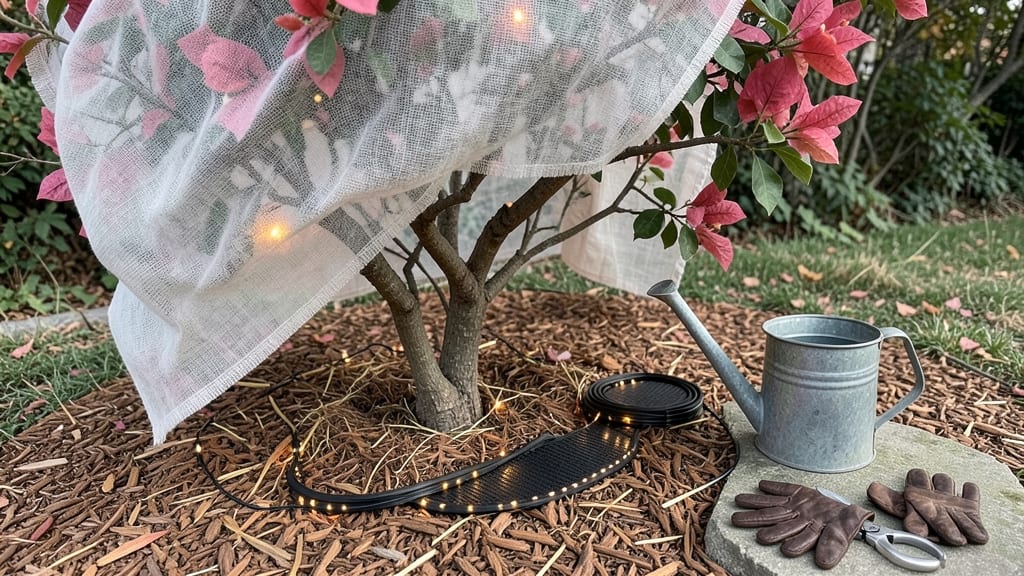
Keeping bougainvillea alive through winter feels impossible—until you know these tricks. 🌿 I’ve lost count of the plants I’ve nursed back from frost damage, and now I’m sharing the exact steps that keep mine thriving year-round, even in USDA Zone 8 where temperatures dip below freezing.
The secret isn’t just wrapping or moving plants—it’s about pruning at the right time, adjusting water, and protecting roots from the cold. Most people overwater in winter, which drowns roots, or prune too late, leaving plants vulnerable.
I’ve perfected a two-step winterizing routine that saves bougainvillea from the most common cold stress. By spring, you’ll see vibrant new growth and those signature papery blooms returning stronger than ever. The key is acting before the first frost—not after.
Even in colder zones, these methods work with a little extra care. Works for both container-grown and in-ground bougainvillea. Here’s how to do it without losing your plants to winter stress.
Root Causes of Winter Struggles
Winter isn’t naturally kind to bougainvillea—this tropical beauty thrives in heat and struggles when temperatures dip. But why does it fight back so hard? Let’s break down the scientific and environmental triggers that turn your vibrant plant into a wilting mess during the colder months.
Bougainvillea is a semi-tropical plant native to South America, where it evolved to handle mild winters but not prolonged cold. When temperatures drop below 30°F (-1°C), several physiological stresses kick in:
- Cell Membrane Damage: Cold causes water inside plant cells to crystallize, rupturing delicate cell walls. This disrupts nutrient transport and leads to browning or blackened leaves—a classic sign of frostbite. - Photosynthesis Shutdown: Chilly air thickens the plant’s sap, slowing metabolic processes.
Without sunlight (which is also weaker in winter), the bougainvillea can’t produce enough energy to sustain itself. - Root Freeze: Even if the above-ground parts look fine, frozen roots (below 28°F/-2°C) can’t absorb water or nutrients. The plant essentially starves from the ground up.
Pro Tip: 🌡️ If your area hits 20°F (-7°C) or lower, your bougainvillea is at critical risk—even cold-hardy varieties need protection.
Winter brings less evaporation, but bougainvillea still needs balanced moisture. Too much or too little water in cold weather creates a double whammy:
- Overwatering = Root Rot: Cold soil stays soggy longer, creating anaerobic conditions (lack of oxygen) that suffocate roots.
Fungal pathogens like Phytophthora thrive in these conditions, leading to mushy, discolored stems. - Underwatering = Desiccation: Even if the soil feels dry, bougainvillea’s reduced transpiration (water loss) means it doesn’t need as much water.
But if you stop watering entirely, roots dry out, and the plant can’t recover when temps rise again.
Warning Signs: ✅ Yellowing leaves (overwatering) ✅ Dry, crispy edges (underwatering)
Pro Tip: 💡 Test soil moisture with your finger—if the top 2 inches are dry, water lightly (but never soak). Mulch helps retain just enough moisture without drowning roots.
Bougainvillea is a sun-worshipper, and winter’s shorter days deprive it of critical photosynthesis time. Here’s how it backfires:
- Reduced Chlorophyll Production: With fewer sunlight hours, the plant can’t manufacture enough chlorophyll, leading to pale, weak new growth. - Dormancy Confusion: Bougainvillea naturally slows down in winter, but if it doesn’t get at least 6 hours of sunlight daily, it enters a false dormancy—stunted growth that may never rebound. - Bud Drop: Flower buds require strong light to develop.
Without it, they fall off prematurely, leaving you with a bare, leafless skeleton by spring.
Quick Fix: 🌞 If your bougainvillea is indoors or in deep shade, supplement with a grow light (12–14 hours/day) to mimic summer conditions.
Cold-stressed bougainvillea becomes a buffet for pests and pathogens because:
- Weakened Immunity: Low temps suppress the plant’s natural defenses, making it easier for scale insects, mealybugs, or spider mites to latch on.
- Fungal Favorites: Damp, cold conditions encourage powdery mildew (white fuzzy coating) or bacterial leaf spot (water-soaked brown patches).
- Root-Eating Threats: Grubs, nematodes, and even voles (in ground-planted bougainvillea) target compromised roots, accelerating decline.
Red Flags: 🚨 Sticky residue (aphids/honeydew) 🚨 Webbing on leaves (spider mites) 🚨 Mushy stems at the base (fungal infection)
Pro Tip: 🔥 Inspect weekly in winter—early pest control (neem oil, horticultural soap) is far easier than reviving a collapsed plant.
Even well-meaning pruning can hasten winter decline if done wrong:
- Over-Pruning: Cutting back too aggressively in late fall removes energy reserves stored in stems, leaving the plant vulnerable to cold.
- Wrong Time: Pruning after the first frost can stimulate new growth that won’t survive the cold—think of it like shaving a bald man (pointless and painful).
- Jagged Cuts: Rough pruning exposes raw tissue to bacteria and fungi, creating entry points for infection in damp winter air.
Best Practice: ✂️ Prune in early spring (just before new growth) or lightly shape in late fall—never after frost. Use clean, sharp shears to avoid tearing.
Bougainvillea in ground beds or pots faces unique winter risks:
| Problem | Why It Happens | Fix It |
|---|---|---|
| Clay Soil Retains Cold | Dense soil absorbs and holds cold, chilling roots longer. | Amend with sand or perlite for drainage. |
| Pot Bound Roots | Roots circling in small containers can’t escape cold, leading to suffocation. | Repot in larger containers with fresh mix. |
| No Wind Protection | Exposed plants lose heat faster in windy winters. | Use burlap wraps or frost cloth for shelter. |
Pro Tip: 🌡️ Move potted bougainvillea to a garage or sheltered patio if temps drop below 40°F (4°C)—heat loss from containers is faster than ground soil.
Quick Fixes for Winter Bougainvillea Struggles
Now that you know the common culprits behind your bougainvillea’s winter woes, let’s roll up our sleeves and tackle them head-on! These solutions are designed to be practical, budget-friendly, and easy to implement, whether you’re a seasoned gardener or a plant-parent newbie.
Prevention tips are woven in to keep your bougainvillea thriving long after winter fades.
Cause: Frosts or hard freezes (below 25°F/-4°C) can shock or kill tender bougainvillea stems. Fix:
- 🔥 Cover Up: Drape your plant with frost cloth (a lightweight, breathable fabric) or even a thick blanket secured with clips or stakes. Avoid plastic—it traps moisture and can rot stems. Reveal the plant during the day to let it bask in sunlight.
- 🏠 Bring It Inside (Temporarily): If a deep freeze is forecasted, move potted bougainvillea to a garage, shed, or sunroom (but keep it out of drafts). Place it near a south-facing window for light.
- 🌿 Mulch the Base: For in-ground plants, add a 3–4 inch layer of mulch (straw, wood chips, or leaves) around the roots to insulate them. Keep mulch 6 inches away from the trunk to prevent rot.
✨ Prevention Tip: Train your bougainvillea to harden off before winter by gradually exposing it to cooler temps in fall. Start by moving pots to a shadier, cooler spot for a few hours a day, then increase the time. This mimics natural conditions and builds resilience!
Cause: Overwatering, underwatering, or sudden temperature swings stress the plant, leading to leaf loss. Fix:
- 💧 Water Wisely:
- Potted plants: Let the top 2–3 inches of soil dry out between waterings. Bougainvillea stores water in its thick stems—overwatering suffocates roots.
- In-ground plants: Water deeply but infrequently (once a week unless it’s unusually dry). Test soil moisture with your finger—if it’s damp 1–2 inches down, hold off!
- 🌞 Light Love: Bougainvillea craves sunlight, even in winter. If indoors, supplement with a grow light 12–14 hours a day. Outdoor plants? Prune nearby trees or structures blocking light.
- 🌡️ Temperature Balance: Avoid placing potted bougainvillea near heaters, AC vents, or drafty windows. Aim for 50–65°F (10–18°C)—cooler than summer but not freezing.
💡 Pro Tip: Yellow leaves often signal overwatering. If the soil feels soggy and leaves turn yellow with brown edges, reduce watering immediately and ensure the pot has drainage holes. Add a layer of perlite or coarse sand to potting mix for better aeration.
Cause: Cold stress weakens bougainvillea, making it vulnerable to spider mites, aphids, or scale insects. Fix:
- 🔍 Inspect Regularly: Check undersides of leaves and stems for tiny webs, sticky residue (honeydew), or white/crusty bumps. Early detection = easier treatment!
- 🚿 Blast Them Off: Spray infested areas with a strong stream of water to dislodge pests. Repeat every few days.
- 🧴 Natural Remedies:
- Neem oil spray (1 tsp neem oil + 1 quart water + a drop of dish soap). Spray every 5–7 days until pests vanish.
- Insecticidal soap (store-bought or DIY: 2 tbsp mild soap + 1 quart water). Test on a small leaf first!
- 🌿 Boost Plant Health: Healthy plants fend off pests better. Fertilize lightly in early spring with a balanced, water-soluble fertilizer (half-strength) to encourage new growth.
🎯 Prevention Tip: Keep your bougainvillea well-pruned in late winter/early spring. Removing dead or crowded stems improves airflow, making it harder for pests to take hold.
Cause: Winter dormancy or improper pruning can delay or prevent blooms. Fix:
- ✂️ Prune for Blooms:
- When to prune: Late winter (just as new growth starts) or early spring (after the last frost).
- How to prune: Cut back 1/3 of the plant to encourage bushier growth. Trim just above a leaf node (the bump where leaves meet the stem) to stimulate flowering.
- Avoid summer pruning—this can reduce fall/winter blooms!
- 🌱 Fertilizer Hack:
- Use a low-nitrogen, high-phosphorus fertilizer (like 5-10-10) to promote flowering. Apply every 4–6 weeks starting in early spring.
- Stop fertilizing in fall—this encourages tender new growth that won’t survive winter.
🌡️ Winter Care Table: Quick Reference
Issue
Fix
Prevention
Cold damage
Cover with frost cloth, move indoors temporarily
Hardening off in fall, mulching roots
Over/underwatering
Adjust watering, check soil moisture
Use well-draining soil, pot with holes
Pests
Neem oil, insecticidal soap, prune for airflow
Regular inspections, healthy plant habits
No flowers
Prune in late winter, use bloom fertilizer
Avoid summer pruning, fertilize seasonally
🔥 Remember: Bougainvillea is tougher than it looks—with a little TLC, it’ll bounce back stronger and burst into color come spring. Start with one fix at a time, monitor your plant’s response, and adjust as needed.
Before you know it, you’ll have a winter-hardy, bloom-filled beauty that’s the envy of the neighborhood!
Frequently asked questions
Can bougainvillea survive winter outdoors in colder climates like USDA Zone 7?
With proper protection, yes! In Zone 7, where temps can drop below 10°F (-12°C), wrap the plant in burlap or frost cloth and mound 4-6 inches of mulch around the base. For potted plants, move them to an unheated garage or sheltered porch. The key is protecting both the roots and stems—never let the soil freeze solid.
How do I know if my bougainvillea is getting enough light indoors during winter?
If leaves turn pale or stems stretch excessively (a condition called etiolation), it needs more light. Place your plant within 3 feet of a south-facing window or supplement with a grow light (12-14 hours/day). Watch for leaf drop—this is a classic sign of insufficient light in winter.
Is it safe to prune bougainvillea in winter, or should I wait until spring?
Light pruning in late winter (before new growth starts) is ideal—it removes dead stems and encourages healthier spring blooms. Avoid heavy pruning after the first frost, as new growth won't survive cold snaps. Use sterilized shears and cut just above a leaf node to promote bushier regrowth.
What should I do if my bougainvillea's leaves turn brown and crispy over winter?
This usually means underwatering or cold stress. Check soil moisture—if the top 2 inches are dry, water lightly (but never soak). For severe browning, trim affected leaves and move the plant to a warmer, sheltered spot (like a sunroom). Avoid fertilizing until spring, as cold-stressed plants can't process nutrients.
Can I grow bougainvillea in containers year-round, or should I plant it in the ground?
Containers work well for winter protection! Move potted bougainvillea to a garage or sheltered patio when temps drop below 40°F (4°C). Use large pots (15+ gallons) with drainage holes and well-draining soil. In-ground plants need extra mulch and root insulation—both options can thrive with proper winter care.