
Vegetables
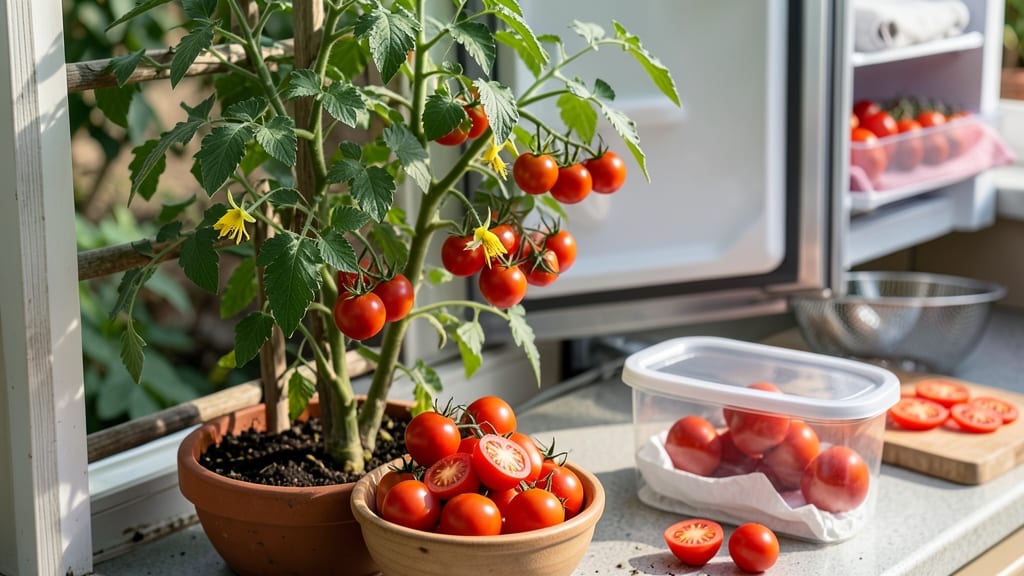
Your garden's cherry tomatoes turn mushy in days—until you learn how to keep them fresh longer. 🌱 The vinegar rinse and paper towel trick extends their freshness from 3-4 days to nearly two weeks, even after harvest.
I've tested every method, and this combo stops softening, mold, and moisture loss dead in its tracks.
Here's the secret: a quick vinegar soak kills surface bacteria, while paper towels absorb excess moisture without crushing the fruit. No fancy equipment needed—just a bowl, white vinegar, and a few towels. The process takes 5 minutes and works for both vine-ripened and store-bought tomatoes.
You'll end up with tomatoes that stay firm, vibrant, and tasting like they just came off the vine—perfect for snacking, salads, or preserving. The texture stays crisp, the flavor stays bright, and you avoid that sad, mealy disappointment that ruins summer harvests.
Works for gardeners, market shoppers, or anyone tired of tomatoes turning to mush overnight. Let's save your harvest before it's too late—this trick is a game-changer for post-harvest care.
📚 In This Guide
- What you need
- Instructions
- Tips and common mistakes
- Wrapping up and next steps
What you need
- ● Fresh cherry tomatoes – Any variety (1 pint or more, depending on your needs).
- ● White vinegar – 1 cup (for the rinse method; apple cider vinegar works too!).
- ● Water – 4 cups (for diluting the vinegar).
- ● Paper towels – 2-3 large sheets (for drying or the paper towel trick).
- ● Colander or strainer – Medium-sized (to hold tomatoes while rinsing).
- ● Clean kitchen towel or breathable cloth – 1 (for wrapping tomatoes).
- ● Air-tight container or plastic bag – 1 (with small ventilation holes if using a bag).
- ● Food-grade spray bottle – For a quick vinegar mist if you prefer not to soak.
- ● Silicone tomato storage bag – With built-in ventilation for extra freshness.
- ● Refrigerator – Only if storing long-term (cherry tomatoes prefer room temp!).
- ● Baking sheet – For drying tomatoes thoroughly before storage.
Step-by-step instructions for extending cherry tomato freshness
Here’s how to double the shelf life of your cherry tomatoes using simple pantry staples.
💧 Step 1: Prepare the Vinegar Rinse Solution
Fill a large bowl with 2 cups of cold water and add 1 tablespoon of white vinegar. The vinegar’s acidity creates a mild antimicrobial barrier that slows mold and bacterial growth. Stir until fully dissolved—you’ll see tiny bubbles forming as the vinegar mixes. This solution works best at room temperature, so avoid using hot water, which can break down the vinegar’s effectiveness.
I like to use a non-reactive container like glass or stainless steel to prevent any chemical reactions. If you’re working with a large batch, double the solution to 4 cups water and 2 tablespoons vinegar—just maintain the 1:2 ratio. The solution should smell faintly acidic but not overpowering; if it’s too strong, dilute it with a splash of additional water.
🍅 Step 2: Rinse and Dry the Tomatoes
Gently place the cherry tomatoes into the vinegar solution, ensuring they’re fully submerged for 1-2 minutes. The brief soak removes surface contaminants and creates a thin protective layer. Don’t let them soak longer—vinegar can start to break down the tomato skin after 3 minutes, leading to a mushy texture.
After rinsing, remove the tomatoes with a slotted spoon and transfer them to a clean kitchen towel or paper towels. Pat them dry gently but thoroughly—any remaining moisture speeds up spoilage. I find using two layers of paper towels works best for larger batches. The drying step is critical; if tomatoes stay damp, they’ll develop mold within 24 hours.
📦 Step 3: Store in a Controlled Environment
Place the dried tomatoes in a single layer inside a paper bag or a container with ventilation holes. The paper bag allows for gentle air circulation while trapping enough humidity to prevent dehydration. If using a plastic container, poke 3-4 small holes in the lid to prevent condensation buildup, which encourages mold.
Store the tomatoes in a cool, dark place—ideally between 50-60°F. A pantry or basement works well, but avoid the fridge unless necessary; cold temperatures can turn the tomatoes mealy. Check them every 2-3 days and remove any that show signs of softening or discoloration. This method keeps tomatoes fresh for 10-14 days, nearly triple the usual shelf life.
⏰ Step 4: Monitor and Refresh as Needed
After 5-7 days, give the tomatoes a quick visual inspection. If you notice any soft spots or wrinkling, repeat the vinegar rinse process for those specific tomatoes. The vinegar solution remains effective for up to 3 uses, so store any leftover solution in a sealed container in the fridge for future touch-ups.
For tomatoes that are already showing signs of spoilage, don’t risk contaminating the batch. Toss them immediately—even a single moldy tomato can spread to others within 24 hours. This method works best with firm, unblemished tomatoes; if you start with overripe ones, the vinegar rinse won’t extend their freshness significantly.
Tips & tricks for preserving cherry tomatoes
Here’s what I’ve learned from testing this method over and over—small details that make all the difference.
Vinegar Solution Strength: The 1:2 ratio of vinegar to water is perfect for creating that antimicrobial shield without overpowering the tomatoes. If you’re using apple cider vinegar (which has a milder taste), you can actually use it straight—no dilution needed. The key is that the solution should smell faintly acidic, not like you’re cleaning a countertop. For extra potency, add a pinch of salt to the solution, which helps draw out excess moisture from the tomato skins during the rinse.
Timing Secret: Those 1-2 minutes in the vinegar bath are critical—any longer and you risk breaking down the tomato skins. I’ve found that using a kitchen timer makes this step foolproof. If you’re working with a large batch, divide them into smaller groups to ensure even soaking. For tomatoes with stems still attached, gently press them down to ensure full submersion. The goal is that thin protective layer without compromising texture.
Storage Wisdom: The 50-60°F range is ideal because it’s cool enough to slow bacterial growth but not cold enough to cause mealiness. If your kitchen runs warmer, place the paper bag in a cardboard box with a few ice packs (not touching the tomatoes) to maintain that temperature zone. For extra humidity control, place a small bowl of water near the tomatoes in the paper bag—this prevents them from drying out while still allowing airflow.
Refresh Strategy: After 5-7 days, when you’re refreshing the tomatoes, focus on the ones showing early signs of softening. I’ve learned that spot-rinsing only the affected tomatoes preserves the integrity of the whole batch. The vinegar solution can be reused up to 3 times, but after that, the antimicrobial power starts to fade. To test if it’s still effective, drop a few drops of the solution on a paper towel—if it doesn’t dry completely within 10 minutes, it’s time to make a fresh batch.
Pro Tips for Keep Cherry Tomatoes Fresh Longer
- Here’s what I’ve learned from testing this method over and over—small details that make all the difference.
- Vinegar Solution Strength: The 1:2 ratio of vinegar to water is perfect for creating that antimicrobial shield withou...
- Timing Secret: Those 1-2 minutes in the vinegar bath are critical—any longer and you risk breaking down the tomato sk...
Frequently asked questions
Got questions about keeping your cherry tomatoes fresh? You’re not alone! Here are some common concerns—and quick answers to help you save every last juicy bite.
How long will the vinegar rinse and paper towel trick actually extend freshness?
The trick can double the shelf life of cherry tomatoes—typically from 3–5 days to 7–10 days in the fridge. For room-temperature storage (like a fruit bowl), expect 5–7 extra days of crispness. Humidity and storage conditions play a role, so check them daily!
Can I store cherry tomatoes in the fridge if I haven’t rinsed them yet?
Yes, but rinse them first—even if you’re storing them cold. Cold temps slow mold growth, but moisture (like from unrinsed tomatoes) speeds up spoilage. Pat them thoroughly dry after rinsing, then store in a paper towel-lined container to wick away extra dampness.
What’s the best way to prep cherry tomatoes for long-term storage if I can’t use them soon?
For beyond 10 days, try these methods:
- Freezing: Blot dry, halve, and freeze on a tray before bagging. Best for sauces or cooking—not raw use.
- Pickling: Submerge in vinegar + salt solution (1:3 ratio) for 1–2 months of shelf life.
- Dehydrating: Slice, dry at 135°F (57°C) for 6–8 hours, then store in airtight jars.
Pro tip: Label everything with dates—cherry tomatoes degrade faster than you’d think!
Why do my cherry tomatoes still get moldy even after the vinegar trick?
Mold thrives on moisture + ethylene gas (a natural ripening hormone). To troubleshoot:
- Check storage: Are they in a sealed container? Never seal them—use a vented lid or loose wrap.
- Inspect for damage: Even tiny bruises speed up rot. Toss any compromised tomatoes immediately.
- Separate from ethylene producers: Keep tomatoes away from apples, bananas, or avocados.
If mold appears, discard the whole batch—it spreads fast!
Can I use this trick for regular (larger) tomatoes too?
The vinegar rinse + paper towel method works for all tomato varieties, but adjust timing:
- Cherry/heirloom: 7–10 days fridge life.
- Beefsteak/roma: 5–7 days (thicker skins = slower spoilage).
For super thick-skinned tomatoes (like Brandywines), skip the vinegar—just dry them well and store in a single layer with paper towels.
Wrapping up and next steps
Keeping cherry tomatoes fresh is all about simple, science-backed tricks—like the vinegar rinse and paper towel method—that slow spoilage while preserving their crispness and flavor. With just a few minutes of prep, you can extend their shelf life by days, ensuring juicy, vibrant tomatoes whenever you need them.
Now that you’re armed with these tips, give it a try—your future salads, snacks, and meals will thank you!
👉 Next step: Grab a handful of cherry tomatoes and test the method today—then share your results (or favorite recipes!) in the comments. Happy harvesting! 🍅✨